españa – bélgica quarterfinal: Spain unbeaten, Belgium sturdy
Spain enters the españa - bélgica quarterfinal unbeaten and looking composed, while Belgium brings a squad built on experience, versatility and set-piece…
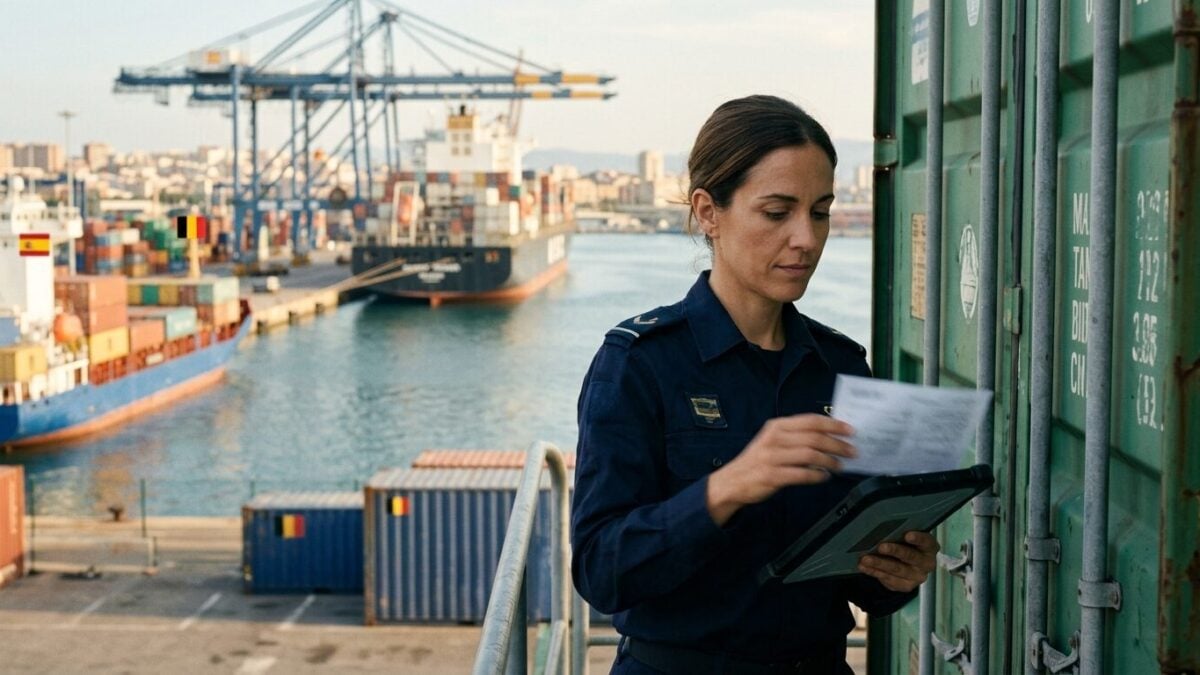
MADRID — Spain’s unbeaten run faces its hardest test in the españa - bélgica quarterfinal, a matchup drawing close attention for its tactical edge and knockout stakes. Spain have not lost in the tournament, while Belgium bring pace, height and enough big-match know-how to punish any lapse.
The margin is thin now. One mistake can end a campaign, and both sides know it. Spain want control. Belgium want moments.
Spain’s lineup debate centers on Pedri
In Spain, the lineup talk has focused on one name as much as the opponent: Pedri. Coaches and analysts have weighed the decision to leave him out of the starting XI, a choice that reflects Spain’s effort to balance possession with pressing and defensive structure.
If Spain start with more creativity between the lines, they could open Belgium earlier. If they choose a tighter shape, they may protect themselves better, but lose some of the rhythm that has carried them this far. That is not a cosmetic call. It changes how Spain build attacks and how they respond after losing the ball.
Belgium’s threat comes in short, sharp bursts
Belgium have earned a reputation as a side that is hard to crack when organized. Their game is not built on long stretches of possession the way Spain’s often is. It leans on direct play, quick changes of pace and enough individual quality to turn a half-chance into a real one.
That makes them dangerous in a quarterfinal. Knockout matches rarely reward the team that keeps the ball the longest. They reward the side that stays calm in key moments and takes the one or two openings it gets. Belgium know that, and they will try to force Spain into uncomfortable transitions whenever possible.
Spain, for their part, have controlled most of their matches so far. They move the ball patiently, probe for gaps and wait for the defense to drift. Belgium will try to break that rhythm. Not by chasing every pass, but by choosing the right times to press and the right times to sit back.
Midfield control could decide the quarterfinal
The central battle is likely to shape the game. Spain are expected to keep the ball and work through short combinations, looking for space between Belgium’s lines. Belgium are likely to spend spells in a medium block, then jump forward when they sense a loose touch or an exposed fullback.
That creates risk for both teams. If Spain push too high, Belgium may find room behind the back line. If Belgium sit too deep, they could spend long stretches defending crosses, cut-backs and shots from the edge of the box. The match may swing on one of those patterns being broken at the right time.
Set pieces add another layer. Belgium have size and delivery quality, and that can matter even more in a match like this. Corners, free kicks and second balls can change the balance fast. Spain will need to defend them cleanly, because knockout football often turns on dead-ball moments rather than flowing play.
Broadcast demand is rising across markets
Interest in live coverage has also been strong, with fans searching for broadcast and streaming details before kickoff. In several markets, Belgium vs. Spain is expected to be available through national sports networks and major streaming platforms carrying the tournament feed. Local rights still matter, though, and availability can differ by country, language and subscription package.
That matters for viewers who do not want to miss the opening whistle. Some broadcasters offer live TV only. Others include replay windows, mobile access and alternate commentary feeds. Fans have been checking listings early because knockout matches usually draw bigger audiences than group-stage games, especially when both sides look this even.
For Spain, the unbeaten record brings confidence and pressure at the same time. For Belgium, the path is tougher, but the squad has the tools to make this uncomfortable. The Pedri decision will stay in focus until kickoff, and the first midfield duel may matter most — because the next goal could decide everything.