Typhoon Bavi Makes Double Landfall in Zhejiang, Forcing 2 Million to Evacuate
Typhoon Bavi battered Zhejiang, China with 144 km/h winds, forcing 2.2 million evacuations and disrupting major transport links across Shanghai.
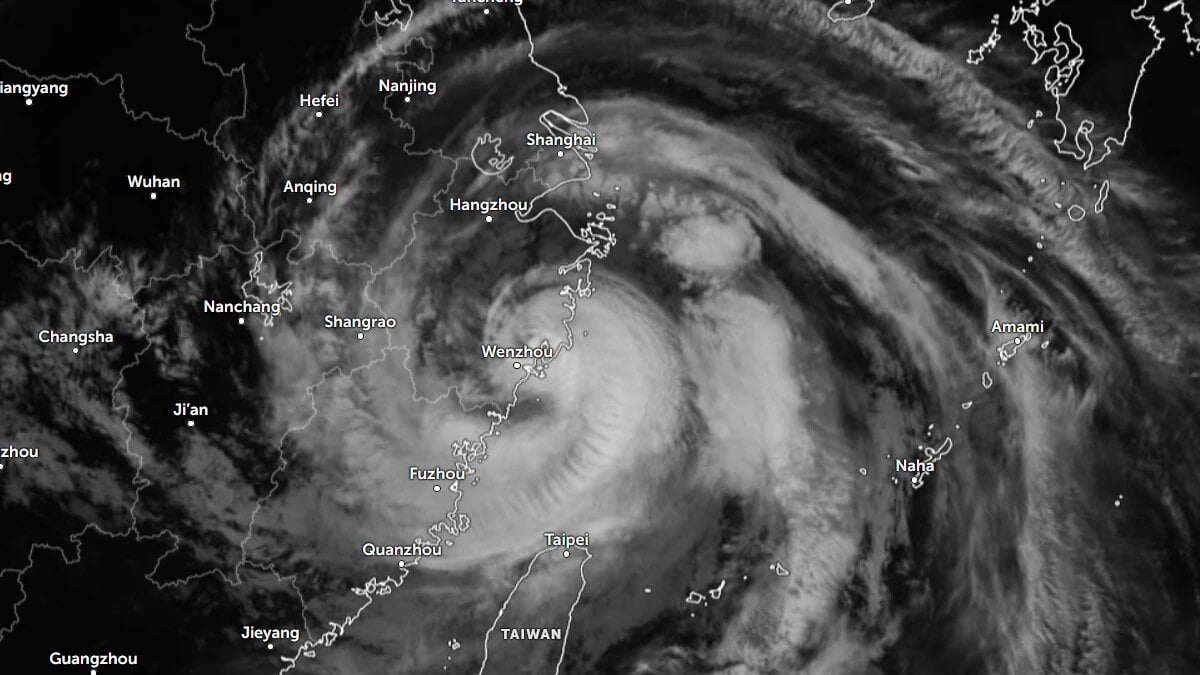
Severe weather has struck eastern China as Typhoon Bavi made landfall on the coast of Zhejiang Province late Saturday evening, July 11, 2026. The powerful storm, which brought torrential rain and destructive winds, prompted local authorities to activate the highest tier of their emergency response grid to mitigate the impact of the strongest tropical cyclone to hit the mainland so far this year.
The core of the storm first struck the coastal city of Yuhuan at approximately 11:20 p.m. local time, before charting a path for a second landfall in Yueqing, Wenzhou, around midnight. According to the Zhejiang Meteorological Bureau, maximum sustained winds at the time of landfall were clocked at 144 kilometers per hour (90 miles per hour). The initial impact caused severe localized flooding, downed utility lines, and uprooted over 1,300 trees in Yueqing alone, presenting immediate challenges to emergency cleanup crews.
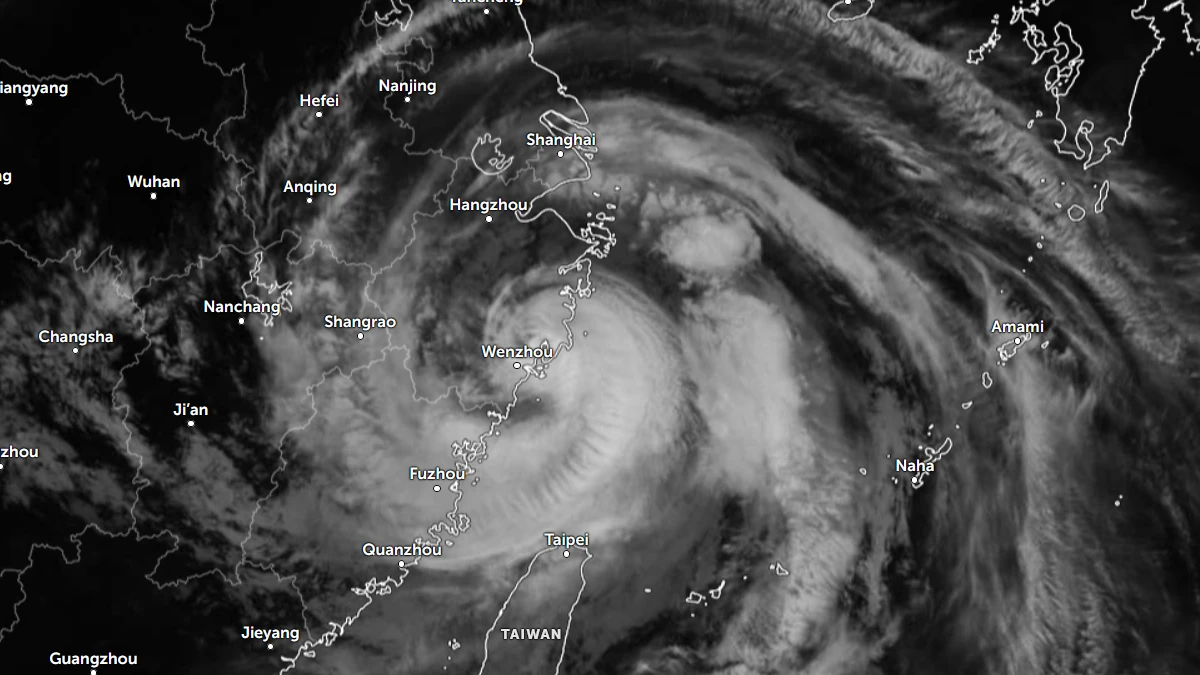
Satellite image captures Typhoon Bavi making landfall over Zhejiang Province, Eastern China. (Credit: JMA/Himawari-9, Zoom Earth)
In anticipation of Bavi’s destructive potential, provincial authorities coordinated a massive pre-emptive evacuation campaign. More than 2.2 million residents in Zhejiang's coastal lowlands and flood-prone valleys were relocated to temporary shelters. Similar evacuation protocols were enforced in neighboring Fujian province and metropolitan Shanghai. Owing to the scale and speed of these evacuations, no immediate casualties were reported on the Chinese mainland, showing the effectiveness of the region's updated storm-preparedness frameworks.
However, the storm dealt a significant blow to regional transit infrastructure. Shanghai’s twin aviation hubs, Pudong and Hongqiao International Airports, cancelled hundreds of flights over the weekend. Major high-speed rail lines, maritime shipping lanes, and coastal highways suspended operations to ensure traveler safety, effectively isolating several trade centers along the eastern seaboard during the height of the storm.
Prior to hitting the mainland, Bavi had developed into a formidable Category 5 Super Typhoon over the western Pacific, packing winds of up to 290 kilometers per hour. While it weakened significantly before its landfall in China, its outer rainbands left a trail of disruption across East Asia. The storm caused minor infrastructure damage in Japan's Ryukyu Islands, left more than 130 people injured in Taiwan, and enhanced the southwest monsoon over the Philippines, where subsequent landslides claimed 17 lives.
Meteorologists indicate that Typhoon Bavi has now weakened into a severe tropical storm as it moves northwest inland toward Anhui Province. Nevertheless, the Ministry of Water Resources has maintained a yellow alert, warning that the system's massive rainbands will continue to pose flooding risks across central and northern China in the coming days.
CGTN video coverage of early warning preparations and storm impacts in Zhejiang.