US Military Targets Iranian Air Defenses in Escalation of Tensions
The United States has intensified its military operations against Iran, completing a series of strikes aimed specifically at Iranian air defense systems and ...
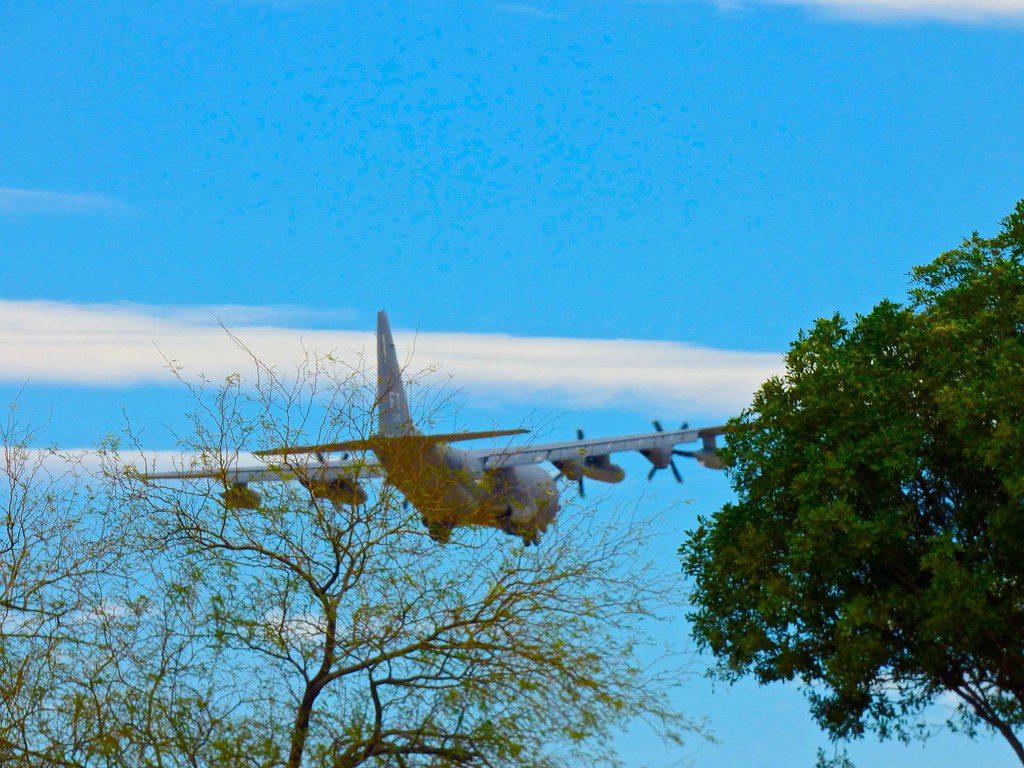
The United States has intensified its military operations against Iran, completing a series of strikes aimed specifically at Iranian air defense systems and missile capabilities. This latest campaign, carried out by US Central Command (CENTCOM), marks a significant escalation in the ongoing tension between the two nations, which has been fraught with conflict and diplomatic strife for decades.
The military action was confirmed by CENTCOM in a statement released on July 13, 2026. Officials reported that the strikes were designed to degrade Iran's ability to launch missile attacks, particularly in the context of increasing threats against US forces and allies in the region. The strikes come as part of a broader strategy to counter perceived Iranian aggression, which has seen a marked increase in recent months.
The US has justified its actions by citing intelligence that points to imminent threats from Iranian missile systems. Tensions have escalated steadily since the collapse of the 2015 nuclear deal and subsequent sanctions imposed by Washington. Iran has responded to these provocations with its own military activities, including missile tests and threats against shipping routes in the Strait of Hormuz, a crucial artery for global oil supplies.
In the wake of the US strikes, Iranian officials have vowed to retaliate. Reports indicate that Tehran is preparing to launch a series of counterstrikes, raising fears that the conflict could spiral further out of control. Iranian military spokespersons have characterized the US actions as acts of aggression, pledging an "appropriate response" that could target US installations in the region or its allies.
The geopolitical implications of this military action are profound. For years, Iran has been a focal point of US foreign policy in the Middle East, with both nations engaged in a complex web of rivalries involving regional players such as Saudi Arabia and Israel. The US strikes are likely to exacerbate an already volatile situation, drawing in various factions and potentially leading to a broader military confrontation.
Analysts suggest that these strikes represent not just a tactical move but also a signal to allied nations in the region. The US aims to reassure its partners, particularly in the Gulf states, of its commitment to regional security amid fears of Iranian hegemony. Countries like Saudi Arabia and the United Arab Emirates have been vocal about their concerns regarding Iranian influence and may see the US strikes as a necessary show of force.
However, there are risks involved. The potential for miscalculation is high, and the conflict could easily escalate beyond the control of any single actor. Regional analysts warn that Iran’s response could involve asymmetric warfare tactics, including cyberattacks and proxy engagements throughout the region. Such a scenario could embroil neighboring countries in a conflict that has global ramifications, considering the strategic importance of the region.
International reactions to the US strikes have been mixed. While some nations have expressed support for the US position, others have condemned the strikes as counterproductive. The United Nations has called for restraint from both sides, emphasizing the need for diplomatic solutions rather than military actions. Diplomats are increasingly concerned that the cycle of retaliation could lead to a full-scale war, which would have devastating consequences not only for the Middle East but for global peace and stability.
As the situation unfolds, the focus will remain on Iran's military response and the potential for further US interventions. The Biden administration, facing scrutiny over its foreign policy approach, may need to balance its military actions with diplomatic overtures to avoid a protracted conflict. The stakes are incredibly high, with millions of lives hanging in the balance and the global economy at risk.
The situation is fluid, and developments are expected to occur rapidly. As tensions rise, analysts will be closely monitoring the responses from both Tehran and Washington. The repercussions of these strikes extend beyond immediate military considerations; they touch on the broader geopolitical landscape and the future of US-Iran relations.
In a region already marked by instability, the outcomes of this conflict could redefine alliances and reshape the Middle East for years to come. The world watches closely, aware that one misstep could lead to an escalation that no one desires but many may find themselves forced to engage in.