Cucurella draws World Cup attention as Spain’s left side shines
Marc Cucurella’s World Cup run has turned the Spain defender into a breakout name, with fans searching for the Chelsea left-back and football’s crypto-linked…
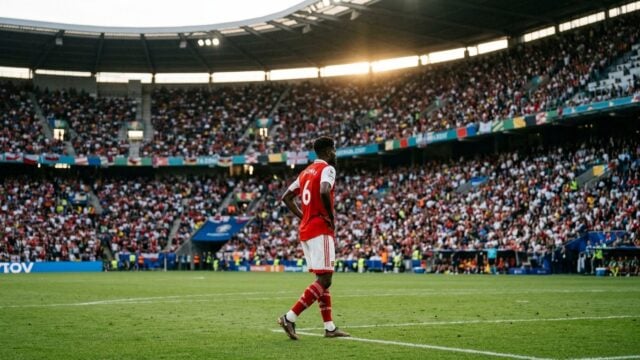
DOHA — Cucurella has become one of Spain’s most talked-about World Cup names, and not just because of his hair. The Chelsea defender’s steady play on the left side has put him in front of a global audience, while the tournament has also exposed how tightly modern football now sits alongside crypto money and digital sponsors.
For Spain, that matters on two levels. Cucurella gives Luis Enrique’s side width, energy and balance. For the wider game, his rise shows how quickly a player can go from familiar to searchable once a major tournament puts him on screens around the world.
Cucurella’s role on Spain’s left side
Cucurella, 25 at the time of the Qatar World Cup, entered the tournament with a profile far smaller than many of Spain’s headline attackers. That changed fast. His name began trending as fans tried to figure out who the curly-haired defender was, where he played, and why he kept appearing in important moments for Spain.
He had already built a reputation in club football for being tireless and tactically disciplined. At Brighton and later at Chelsea, Cucurella showed the same traits that made him useful for Spain: aggressive pressing, quick recovery runs and the willingness to overlap without losing shape behind him.
That kind of player rarely drives the headlines. But at tournaments, reliability gets noticed. A lot. In Spain’s structure, Cucurella helps stretch the field and gives the team another outlet when opponents crowd the middle. He is not there for show. He is there to keep Spain moving.
Why fans noticed him so quickly
Part of Cucurella’s appeal is visual. The hair stands out. So does the contrast between his playful look and the disciplined job he does on the pitch. That contrast made him easy for viewers to remember, especially in a World Cup filled with new audiences who may not follow the Premier League every week.
There is also the timing. World Cup matches create sudden stars. One good performance, one sharp recovery tackle, one smart pass into the final third, and a player can go from anonymous to heavily discussed within hours. Cucurella fit that pattern neatly.
Fans who searched for him were not just curious about one player. They were also looking at a bigger trend: how football’s global audience now meets a commercial ecosystem built on fast-moving digital brands, many of them in crypto and related online finance.
Crypto money keeps following football
The World Cup has long been a showcase for sponsorship. Shirts, boards and digital ads now carry the marks of betting firms, payment apps and crypto exchanges. That relationship has grown in Europe and beyond, even as regulators in some markets have grown more cautious about crypto promotions.
For clubs and broadcasters, the money is hard to ignore. Crypto brands have used football to build trust and reach fans who may never trade digital assets themselves. For fans, the effect is different. The logos keep appearing, and the game starts to feel like a moving billboard for a financial sector that still worries many consumers.
That is the real so-called Cucurella effect for marketers. A player becomes visible, the searches spike, and the wider commercial machine benefits from the attention. The football story and the finance story start to overlap.
World Cup runs can do that. They lift reputations, create new fan interest and push players into conversations far beyond the touchline. In Cucurella’s case, the attention has landed at the same moment football’s commercial ties to crypto remain strong, with sponsors still paying heavily for access to the sport’s biggest global stage.
Spain’s next matches will decide how long that spotlight lasts. But for now, Cucurella has already done what tournament football does best: turn a dependable left-back into a name millions of viewers suddenly want to know better.