iPhone 15 Sales Fall Short as Consumers Resist Upgrade
Apple's iPhone 15 lineup is underperforming in early sales cycles, with demand cooling as consumers turn to cheaper Android phones and last-generation models…
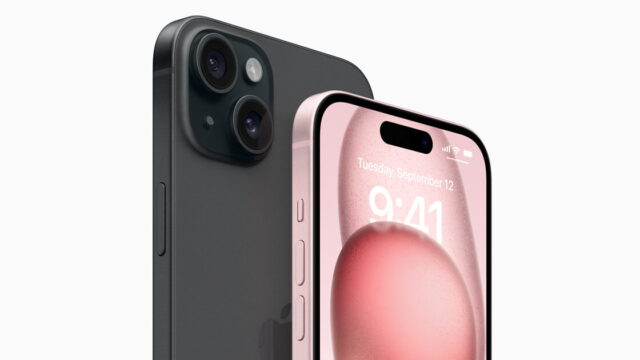
Apple's iPhone 15 is struggling to capture momentum in global markets, with early sales data showing the device falling short of previous-generation performance as consumers opt for cheaper alternatives or hold onto older phones longer.
Market research from IDC and Counterpoint shows iPhone 15 pre-order volumes lagging behind iPhone 14 figures from the same launch window. The gap is widest in Asia-Pacific and Europe, where budget Android devices and refurbished older iPhones are siphoning away potential buyers.
The slowdown reflects a broader shift in smartphone purchasing patterns. Consumers are keeping devices for longer — the average replacement cycle now stretches to 3.5 years from 2.8 years a decade ago — and incremental hardware improvements aren't compelling upgrades anymore.
What's Changed in iPhone 15
Apple introduced the USB-C port, replacing Lightning connectors across all iPhone 15 models. The A17 Pro chip powers the Pro Max variant, while standard iPhone 15 models use the older A16 processor. Camera upgrades are modest: a 48-megapixel main sensor on Pro models, slight computational photography tweaks on standard versions.
For most users, these changes don't justify $799 entry pricing. "The gap between iPhone 14 and iPhone 15 is smaller than any generational jump Apple has made in years," said Hisashi Moriyama, senior analyst at IDC. "That's creating headwinds for demand."
Telecom operators in India, Southeast Asia, and Southern Europe report iPhone 15 allocation shifts. Rather than the typical first-week sell-through surge, retailers are discounting stock within days of arrival.
Android's Budget Play Gains Ground
Samsung Galaxy A series and mid-range OnePlus phones are capturing customers who might have defaulted to iPhone. Google's Pixel 8 — priced identically to iPhone 15 but bundled with Gemini AI features — is attracting tech-focused buyers in North America and Europe.
"People aren't upgrading just for the sake of upgrading anymore," said Tarun Pathak, associate director at Counterpoint Research. "They're asking: do I need AI features, or is my iPhone 13 fine for another year?"
Carrier bundle deals have shifted too. In the US, AT&T and Verizon are offering aggressive trade-in credits to offset iPhone 15's $50 price jump versus iPhone 14's launch, a sign retailers are pushing inventory harder than usual.
Apple's AI Strategy Complicates Timing
The company's delayed rollout of Apple Intelligence — machine learning features exclusive to iPhone 15 Pro models and A17 Pro chips — removes a key selling point from the standard lineup. Those features arrive in late 2024 as iOS 18.1 updates, which may delay purchase decisions for months.
Wall Street analysts have started cutting iPhone revenue forecasts. Goldman Sachs trimmed Q4 2024 iPhone unit expectations by 5 percent. Barclays warned that iPhone 15 could be Apple's weakest cycle since the iPhone 11 era.
Apple hasn't released official sales figures since discontinuing practice in 2018, making exact performance unclear. However, supply chain data and carrier reports offer signals. Foxconn, Apple's main manufacturing partner, cut iPhone 15 production targets in September — the first cut for a flagship launch in five years.
Resale platforms like Gazelle and eBay show iPhone 15 entry-level pricing stabilizing at $680-$700 within four weeks of launch, compared to $750-$800 for iPhone 14 at the same point. Lower resale values signal weaker perceived value among early adopters.
The company is betting that holiday promotions, trade-in incentives, and eventually Apple Intelligence availability will reignite demand. But inventory buildup at warehouses suggests Apple's own supply planning may have overestimated enthusiasm. By November, multiple retailers had excess iPhone 15 standard models in stock — an unusual position for a flagship Apple product in its first full quarter.