Josh Tongue tests India in 1st ODI at Edgbaston
Josh Tongue and England’s quicks put India under early pressure in the first ODI at Edgbaston, where the home side attacked with pace and movement. The match…
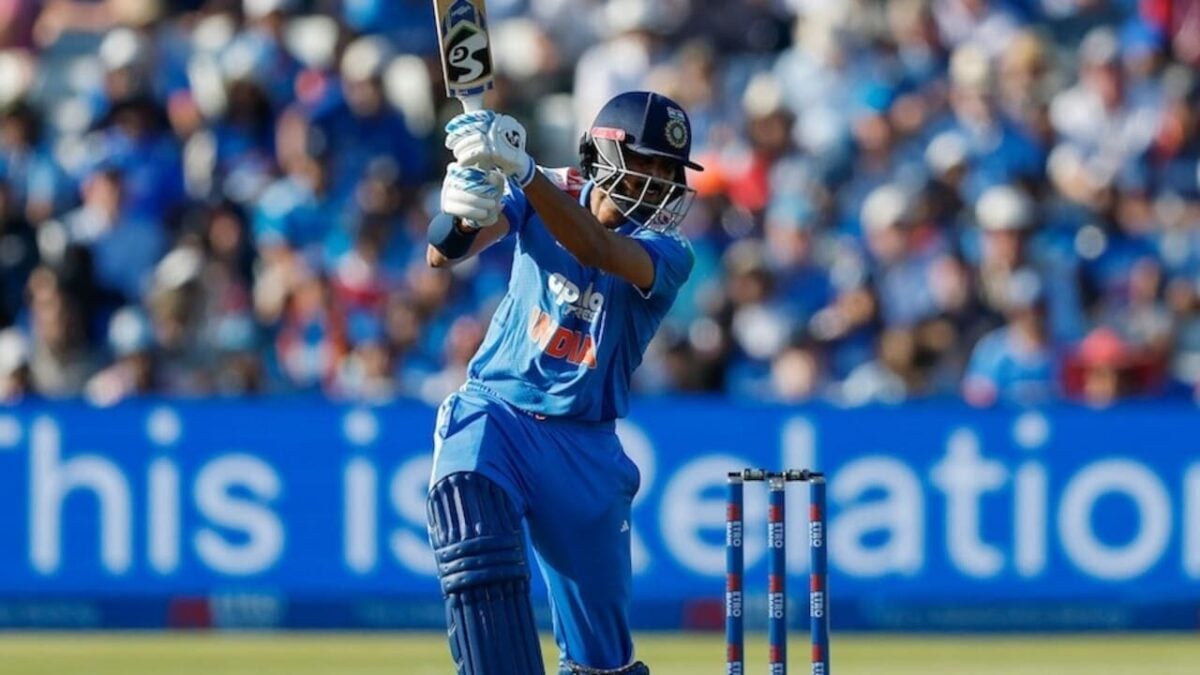
BIRMINGHAM — Josh Tongue set the tone early as England’s seam attack asked hard questions of India in the first ODI at Edgbaston on July 14, 2026. The series opener mattered fast: one sharp spell, and the pressure shifted straight onto the tourists.
India came into the match looking to settle an old score in English conditions, while England wanted a strong home start in a format that punishes any loose over. Every wicket carried extra weight. Every run did too.
England’s pace plan bites early
Tongue, known for his hit-the-deck approach, fitted neatly into England’s plan to keep the ball hard and the stumps in play. The pitch at Edgbaston gave the fast bowlers enough help early on, and England used it well with a tight ring in the field and attacking lengths through the opening overs.
That mattered because India’s top order has often set the tone for the rest of the innings. When the first few wickets fall in an ODI, the chase or the total can change shape in minutes. The margin for error shrinks quickly.
England’s fast bowlers kept the tempo high, forcing India to work for singles and defend more than they wanted. Tongue’s role was simple on paper. Remove comfort. Make the batters play.
Why this game carries more than one result
The first ODI in a three-match series usually tells a deeper story than the scoreline alone. It reveals how each side plans to handle pressure, which bowlers can stick to the plan, and which batters can absorb it without giving away cheap wickets. For England, a strong outing from Josh Tongue strengthens their pace options in a format where control often matters more than raw speed.
For India, the challenge is just as clear. A shaky start in Birmingham can leave the middle order with too much to do, especially against a home attack that uses movement and bounce well. That can change the feel of the entire series. Quickly.
There is also a bigger picture. India and England remain two of the most watched teams in world cricket, and an ODI series between them draws heavy attention because it can shape confidence before later international assignments. A bowler like Tongue, still building his profile at this level, gets a chance to show he can do more than fill a slot. He can swing a match.
Josh Tongue and England’s selection puzzle
England have been under pressure to find a pace group that can rotate without losing bite. Tongue’s inclusion gives them another right-arm option who can exploit bounce and keep batters guessing with late seam movement. That gives the captain more choices when the new ball softens or the pitch starts to flatten.
India, meanwhile, have had to balance aggression with caution. Their batters know Edgbaston can punish loose drives and half-steps against the seam. One lapse, and a chase becomes awkward. Two or three, and the innings can turn into a recovery job.
The live scoreline kept shifting with each wicket, and the crowd stayed loud through every pause in play. No one in the ground could ignore the central battle: England’s quicks trying to stay on top, India trying to break free before the innings slipped away. If Tongue maintains that early pressure, England’s opening ODI blueprint looks built around his spell more than anyone expected.
By the time the first innings settled into its rhythm, the match had already become a test of nerve as much as skill, with Tongue’s opening burst still the reference point for England’s tempo in Birmingham.