Pressure Mounts at Madlanga Commission Over IDAC Investigation Conduct
The Madlanga Commission of Inquiry entered a critical phase this week as it turned its attention toward the conduct of senior IDAC investigator Brian Padayac...
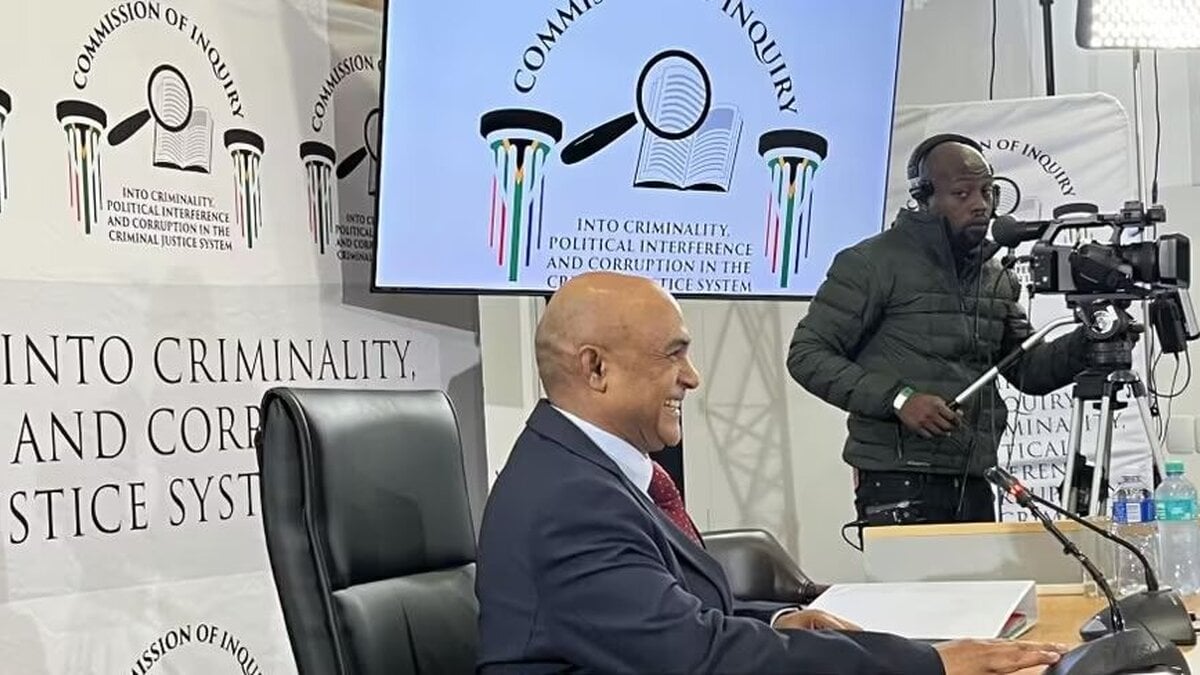
The Madlanga Commission of Inquiry entered a critical phase this week as it turned its attention toward the conduct of senior IDAC investigator Brian Padayachee. Testimony presented between July 13 and July 14, 2026, has brought the internal operations of the agency under intense public scrutiny, raising urgent questions about how high-level probes are managed and monitored.
The commission, tasked with untangling complex webs of institutional oversight, is now dissecting specific allegations leveled against Padayachee. For observers, the hearings represent a pivotal moment in the ongoing effort to restore public faith in investigative bodies. The stakes are high. If the claims are substantiated, they could force a complete overhaul of how IDAC handles its most sensitive cases.
A Deep Dive into Investigative Integrity
The proceedings on Monday and Tuesday highlighted a growing friction between the investigators and the mechanisms meant to keep them in check. Witnesses brought before the commission detailed a series of events that suggest a departure from established protocols within the IDAC framework. The atmosphere in the room was heavy. Tension remained palpable throughout the two-day session.
Legal experts following the inquiry note that the focus on Padayachee is not just about one man. It is about the systemic culture of the organization. By examining his specific actions, the commission aims to reveal whether there is a pattern of negligence or intentional misconduct that has gone unchecked for years. The evidence presented so far suggests that internal reporting lines may have been compromised or ignored entirely.
The scrutiny of Padayachee involves looking at case files that were previously considered closed or dormant. Investigators working for the commission are cross-referencing these files with testimonies provided by whistleblowers and former colleagues. This granular approach is designed to expose any discrepancies between the official record and what actually transpired on the ground during active investigations.
The Challenge of Institutional Oversight
Operating in a global climate where transparency is demanded more than ever, the Madlanga Commission is fighting against a tide of institutional secrecy. The IDAC, like many similar agencies worldwide, relies on a complex architecture of privacy and data protection to function. However, the commission is currently testing the limits of those protections. They are asking how much privacy is too much when it shields potential wrongdoing from public view.
Public interest in the commission’s work has spiked as details of the Padayachee file emerged. Many citizens view the inquiry as a litmus test for the government’s commitment to cleaning up its own ranks. The challenge lies in the nature of digital evidence. Much of the data under review is technical, involving browser behaviors, data analytics, and embedded cookies that track how information flows within the agency’s secure networks.
These technical components are vital to the commission’s findings. By analyzing how data was accessed—and who had the authority to alter it—the commission is attempting to map out the digital footprints left behind during the period in question. It is a slow, methodical process. Patience is required.
What Lies Ahead for the Inquiry
As the commission moves past the initial hearings, the pressure on the IDAC leadership to cooperate will likely intensify. The commission has made it clear that it will not be deterred by procedural hurdles or claims of administrative confidentiality. Every document requested is a piece of a larger puzzle that the commissioners are determined to complete.
The next few weeks will be telling. If the evidence against Padayachee holds up under cross-examination, the commission will have to recommend significant reforms. These could range from stricter vetting processes for senior investigators to the implementation of independent, third-party audits for all high-stakes cases.
The proceedings are scheduled to continue throughout the coming days, with more witnesses expected to take the stand. The commission’s final report, while still months away, is already shaping the discourse around accountability. For now, the spotlight remains fixed on the hearing room, where the testimony regarding Brian Padayachee continues to dictate the pace and focus of the inquiry. The commission is expected to issue a preliminary assessment of the evidence before the month is out, setting the stage for potential disciplinary or legal action.