US Dollar to Rupiah Exchange Rate Today Holds Near Key Levels
The us dollar to rupiah exchange rate today is being shaped by US rates, Bank Indonesia policy, and risk sentiment. Here is what traders are watching.
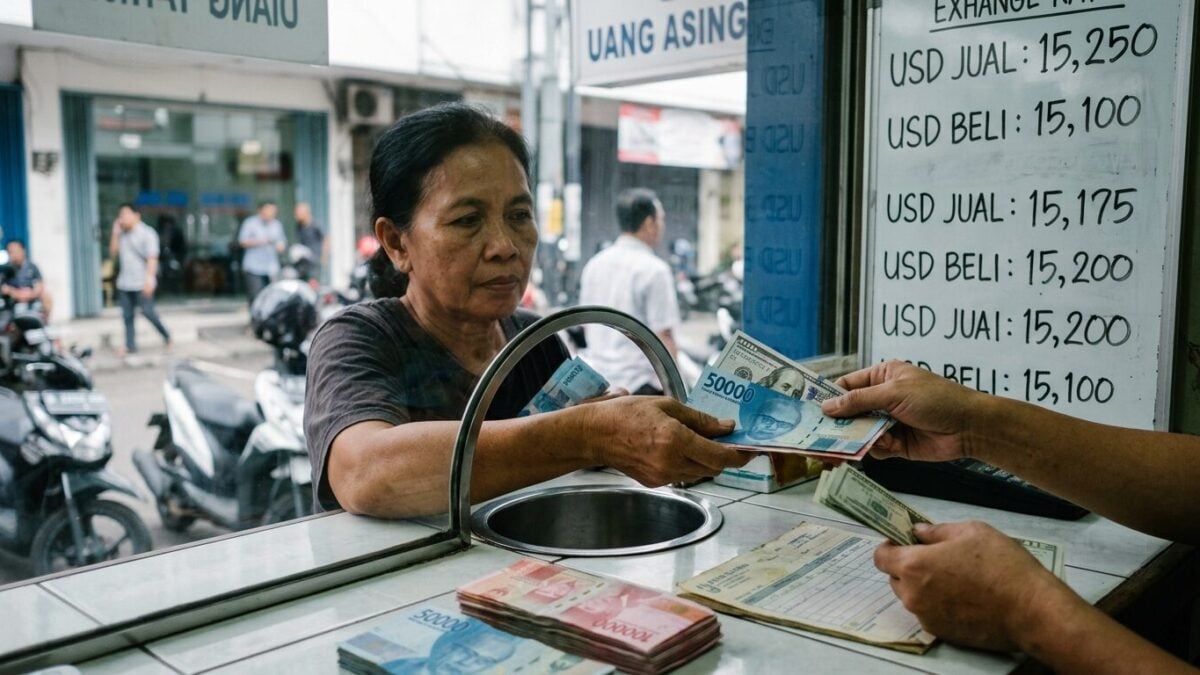
JAKARTA — The us dollar to rupiah exchange rate today is being shaped by US interest-rate expectations, Bank Indonesia’s policy stance and demand for safe-haven assets. Traders in Jakarta and wider Asian markets are watching the pair closely because even small swings in the dollar can feed into import costs, travel spending and corporate earnings.
The rupiah usually comes under pressure when investors expect US borrowing costs to stay high for longer. That keeps dollar assets attractive. When the greenback firms, emerging-market currencies such as the rupiah often weaken. The move can reverse quickly when US yields ease or when global risk appetite improves.
Why the us dollar to rupiah exchange rate today matters
This exchange rate is not just a line on a dealer screen. It affects the price of fuel, food ingredients, electronics and raw materials that Indonesia buys from abroad. Companies with dollar-denominated debt also pay close attention, because a weaker rupiah raises repayment costs in local currency.
For households, the impact lands in everyday spending. Imported goods can become more expensive. Overseas education bills rise. Holiday budgets go further only with a stronger rupiah, and businesses that rely on imports or foreign shipping often adjust inventory plans before shoppers notice anything on the shelf.
Bank Indonesia has said it manages the currency through a mix of interest-rate policy, market intervention and liquidity tools when volatility picks up. That matters because the central bank is not chasing the headline rate alone. It is trying to keep the rupiah moving in a way that does not unsettle trade, inflation or financial stability.
A tighter rupiah can help exporters convert foreign earnings into more local currency, but it also raises the cost of imported inputs. That tug-of-war explains why currency traders, manufacturers and retailers all watch the same number and read it differently.
What traders are watching now
US jobs data, inflation readings and remarks from Federal Reserve officials remain the biggest external cues. If those signals point to a slower path of rate cuts, the dollar often stays firm. If the data softens, pressure can ease quickly and the rupiah may gain some ground.
Regional flows matter too. When funds move into Indonesian bonds or equities, demand for rupiah improves. When those flows turn cautious, the currency can slip even without a major domestic surprise. That is why the us dollar to rupiah exchange rate today often reflects global nerves as much as local policy.
One analyst at a Jakarta-based money market desk said currency traders are also tracking crude oil prices and geopolitical tension, both of which can push investors back into dollars. “The market is still very sensitive to US data and any sign of higher-for-longer rates,” the analyst said. That keeps intraday swings alive even when Jakarta has no major policy announcement.
Indonesia’s export picture adds another layer. Commodity receipts can support the rupiah when prices are strong, but that cushion is uneven. If coal, palm oil or metals weaken at the same time the dollar strengthens, the currency can lose momentum quickly. For import-heavy sectors, that is a direct cost. For exporters, it can provide temporary relief.
Market participants are also watching whether the rupiah can hold near recent trading ranges or slip into a softer band as global dollar demand shifts. The next clues are likely to come from US economic releases and then from Bank Indonesia’s own signals on whether it needs to stay defensive in the foreign-exchange market. One strong US data print can still lift the dollar before Jakarta trading closes.