Flash Floods Strike Texas as Infrastructure Strains Under Extreme Weather
Rising floodwaters have claimed at least one life in Texas today, striking a region still reeling from the legacy of the historic Camp Mystic disaster.
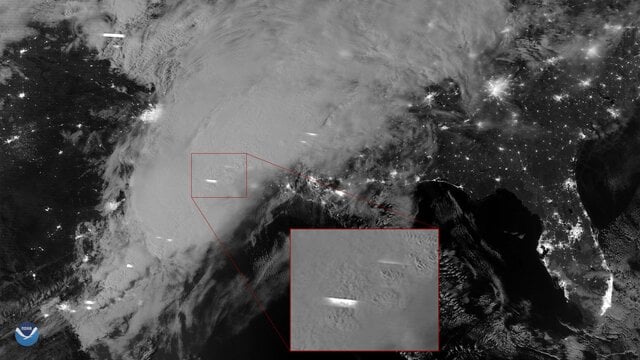
Rising floodwaters have claimed at least one life in Texas today, striking a region still reeling from the legacy of the historic Camp Mystic disaster. Emergency crews are currently navigating submerged roads and high-risk zones, searching for individuals reported missing as the deluge overwhelms local drainage systems.
The tragedy serves as a grim reminder of the vulnerability of regional infrastructure. Heavy rainfall has turned streets into rivers, forcing authorities to prioritize rescue operations over damage assessments. For residents in the affected areas, the sound of sirens has become the soundtrack of an increasingly volatile summer.
Infrastructure Under Siege
The challenges facing Texas mirror a broader, continental struggle with aging urban design. In Edmonton, Canada, city officials are grappling with a similar crisis as homeowners continue to pump out flooded basements following intense, repeated downpours. The inability of modern municipal sewage and drainage systems to manage rapid, high-volume precipitation is no longer a localized issue; it is a recurring international headache.
Urban planners point to the rapid expansion of concrete surfaces as a primary culprit. When water cannot penetrate the ground, it seeks the path of least resistance—often through residential foundations and major arterial roads. In both Texas and Alberta, the human cost is mounting. While Texas faces active rescue operations, Edmonton residents are left to calculate the financial and emotional toll of ruined property and mold-damaged homes.
The Hidden Dangers of Seasonal Growth
Beyond the immediate threat of rising water, city officials are struggling to manage other seasonal hazards. Hospitals are currently bracing for a surge in trauma cases related to e-scooter accidents, a trend that emergency room physicians warn is putting significant pressure on already strained medical facilities. The convergence of infrastructure failure and public safety crises is stretching emergency response teams to their absolute limits.
The instability is not limited to environmental factors. Tensions at Edmonton City Hall reached a breaking point this week when a police commission meeting dissolved into chaos. Public speakers, vocal about their disapproval of the Police Chief’s recent international travel, were abruptly cut off by officials. The move prompted a security intervention, highlighting a growing disconnect between government mandates and public frustration. Whether it is the anger directed at municipal leaders or the fear stemming from flood-prone neighborhoods, the common thread is a widespread lack of faith in the current ability of the state to maintain order and safety.
As recovery efforts begin in Texas, the focus remains on locating the missing. Every hour lost increases the difficulty of the search. With water levels remaining dangerously high, authorities warn that the danger is far from over. Officials have confirmed that at least one person has been recovered, but they fear that number could rise as the waters recede.