Indonesia Launches Grassroots Coach Program for Disabled Athletes
Indonesia's Sports Ministry initiates the 'Berdaya' program in Majalengka to train local coaches and improve sports access for 22.9 million disabled citizens.
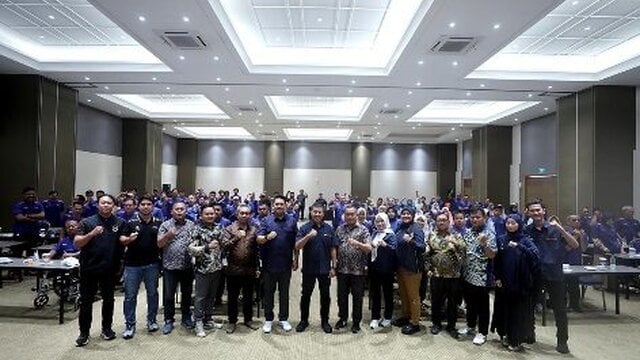
To address the significant gap in physical activity among its 22.9 million citizens with disabilities, the Indonesian Ministry of Youth and Sports has launched an intensive training program named "Berdaya" in Majalengka, West Java. The initiative seeks to build a network of specialized local coaches capable of fostering inclusive sports ecosystems at the grassroots level.
Data reveals a pressing need for such interventions: only 11.6 percent of Indonesia's disabled population currently engages in regular physical activity. High barriers to entry, including a lack of accessible facilities and a severe shortage of qualified trainers, have long hampered progress. By decentralizing coaching development from major cities to smaller regions, officials hope to spark a sustainable shift in participation rates.
Ahmad Arsani, Acting Assistant Deputy for Special Services at the Ministry of Youth and Sports, opened the sessions at the Hotel Fitra on Thursday, July 16. "This program is not merely about certification," Arsani stated. "It is a mechanism to create mentors who can reach disabled individuals in remote areas. Without coaches who understand these specific needs, an inclusive lifestyle will remain out of reach."
Empowering Local Agents of Change
The "Berdaya" approach relies on a domino effect. By training local instructors, the ministry intends to create community-based hubs where one coach can facilitate engagement for dozens of participants. The curriculum goes beyond technical athletic training, focusing on the philosophy of inclusivity and framing sports as a fundamental right rather than a selective competitive pursuit.
The current landscape of sports coaching for the disabled remains far from ideal. To bridge this gap, the government is mapping regional needs to better allocate resources. This planning phase is essential for ensuring that local training efforts are not undermined by a lack of accessible infrastructure, such as ramps or specialized equipment in public sporting venues.
Building a Unified Sports Ecosystem
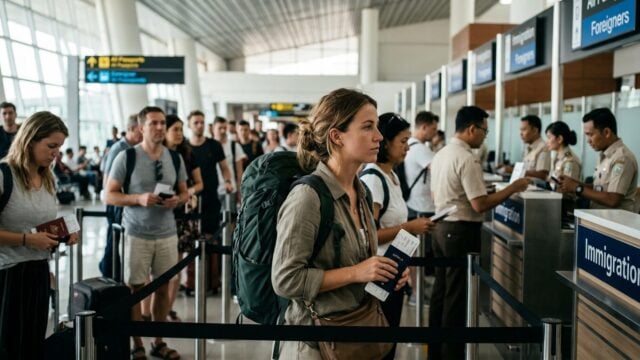
While the ministry focuses on grassroots development, it continues to celebrate high-performance achievements on the global stage. On Tuesday, July 14, officials welcomed national speed climbing athletes, including Desak Made, at Soekarno-Hatta International Airport following their participation in the World Climbing Series. For the government, grassroots programs and elite sports successes represent two sides of the same objective: removing barriers for all Indonesian citizens.
Minister of Youth and Sports Erick Thohir has repeatedly underscored the urgency of these programs, particularly regarding the country's demographic transition. Thohir aims to prevent potential from being wasted by creating robust development platforms. Other concurrent initiatives, such as the "Rabu Bugar" (Fit Wednesday) program for retirees and the "Wirasena Youth Camp," illustrate the government's broader effort to cultivate a more active and resilient population.
The ministry plans to monitor the progress of the coaches trained in Majalengka through regular evaluations to ensure the program's longevity. If the "Berdaya" model succeeds in boosting participation rates in West Java, the ministry intends to expand the initiative nationwide, transforming these local instructors into the primary drivers of an inclusive sporting culture.