Safety Fears Force Trump to Abandon Qatari-Gifted Jet Mid-Journey
President Donald Trump was forced to abandon his new, high-profile presidential aircraft mid-journey this week, swapping it for an older model to complete hi...
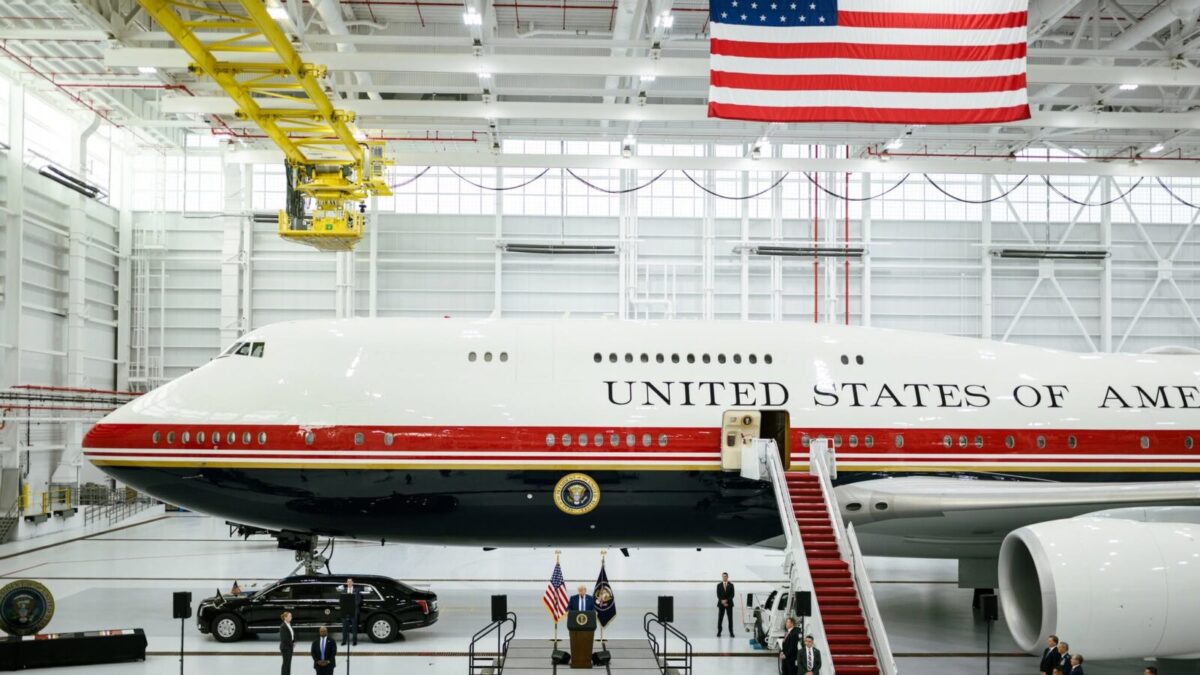
President Donald Trump was forced to abandon his new, high-profile presidential aircraft mid-journey this week, swapping it for an older model to complete his return trip from the NATO summit in Turkey. The abrupt change highlights growing unease surrounding the state-of-the-art Boeing 747, a recent gift from the government of Qatar that has become a lightning rod for security anxieties.
The incident occurred as the president navigated a return flight path that brought him dangerously close to Iranian airspace. With the United States currently locked in an active military conflict with Tehran, officials determined that the Qatari-gifted aircraft lacked critical defensive systems required to traverse such a volatile corridor. The president instead climbed aboard a legacy Boeing 747, a workhorse of the presidential fleet, to reach home soil.
A Gift Under Scrutiny
The Qatari-gifted aircraft, unveiled as an interim Air Force One, has faced immediate scrutiny since its arrival. While the gesture was intended to bolster the presidential fleet, federal officials are now scrambling to reconcile the plane’s civilian-grade configuration with the harsh realities of modern military aviation. The core of the problem lies in the technological gap between a standard luxury airframe and the hardened, defensive-heavy environment of a flying command center.
Security experts have pointed to the specific vulnerability of the new jet when operating near hostile regions. Flying within proximity to Iran, where military tensions have reached a boiling point, requires robust electronic warfare suites and advanced missile defense technologies. The current iteration of the Qatari jet, according to insiders familiar with the logistical breakdown, simply does not offer the same level of protection as the older, battle-tested aircraft that have served previous administrations.
Legal and Political Fallout
The situation has spiraled beyond mere mechanical logistics. Federal authorities have initiated a series of aggressive legal maneuvers, issuing subpoenas to journalists who have reported on the safety and sourcing of the new aircraft. The administration appears determined to clamp down on the narrative surrounding the jet’s origin, even as the hardware itself remains grounded due to these persistent security concerns.
This controversy coincides with a period of intense regional mourning and political transition in Tehran, following the recent burial of former Supreme Leader Ali Khamenei. As the geopolitical landscape shifts, the vulnerability of the presidential fleet has become a matter of national security rather than just a public relations headache. The administration now faces a difficult choice: spend millions retrofitting the Qatari gift with high-end military hardware, or leave the aircraft in the hangar, effectively turning a diplomatic gesture into a billion-dollar paperweight.
For now, the older Boeing 747 remains the primary vehicle for presidential travel. The administration has yet to confirm a timeline for when or if the new jet will be cleared for duty near active conflict zones, leaving the White House to rely on aging, yet proven, airframes while the investigation into the Qatari aircraft continues.