BJP’s High-Stakes Punjab Gamble: Balancing Nationalism with Sikh Outreach
The Bharatiya Janata Party (BJP) is aggressively recalibrating its electoral strategy in Punjab, attempting to capture the state’s political landscape withou...
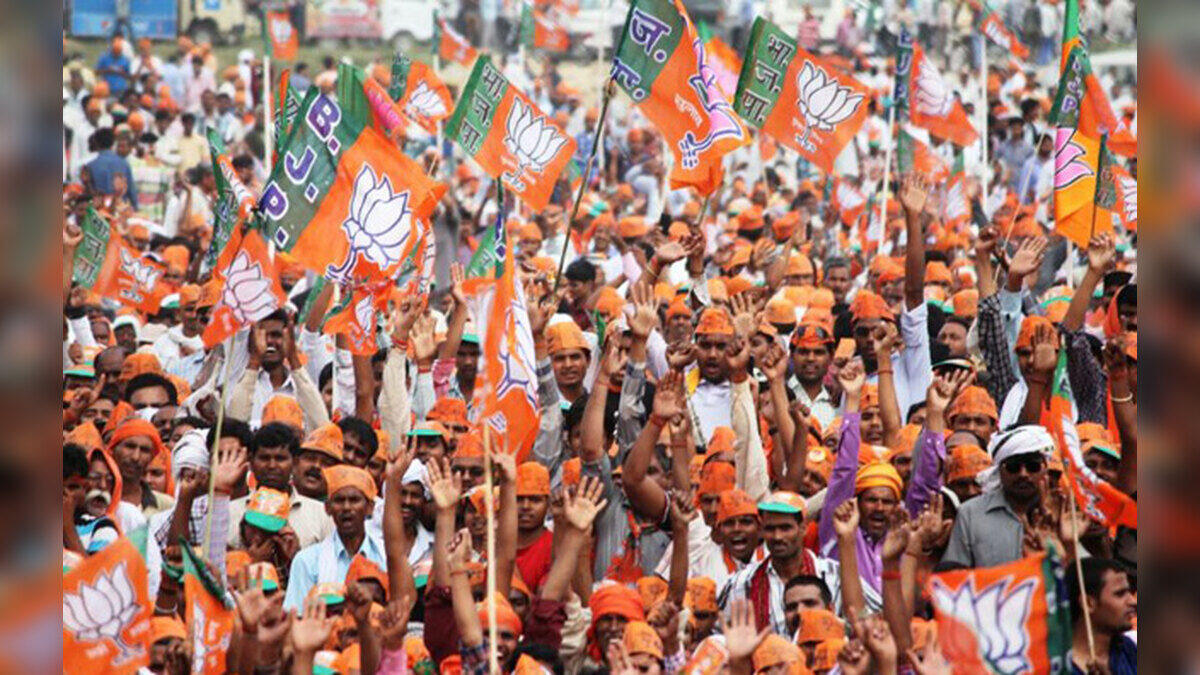
The Bharatiya Janata Party (BJP) is aggressively recalibrating its electoral strategy in Punjab, attempting to capture the state’s political landscape without its traditional allies. Party leadership has embarked on a delicate mission to court Sikh voters while simultaneously maintaining its core identity as a proponent of muscular nationalism.
This pivot marks a departure from standard tactics. The party aims to win the state single-handedly. It is a high-risk maneuver. On the ground, the BJP faces the complex task of criticizing the 1984 Operation Bluestar while carefully navigating the sensitive legacy of Jarnail Singh Bhindranwale, a figure still central to the Khalistan discourse.
Historical Echoes in Modern Strategy
The party’s current approach relies heavily on historical narratives to challenge its opponents. BJP veterans, including the late L.K. Advani, have long maintained that the Congress party bears responsibility for the rise of militancy in the region. In his 2008 autobiography, My Country, My Life, Advani argued that Congress leaders enabled the state's insurgency by playing factions against the Akali Dal.
Advani’s writings emphasize the human cost of this era. He specifically cited the killing of BJP and RSS workers, including party president Hit Abhilashi, by militants. The narrative portrays the Indira Gandhi administration as having effectively surrendered to Bhindranwale, a claim the BJP continues to leverage to distance itself from its rivals' past actions.
The Amritsar Visit
Visual optics remain a cornerstone of this push. On June 20, 2026, national president Nitin Nabin visited the Golden Temple in Amritsar. He was accompanied by national general secretary Tarun Chugh and state president Kewal Singh Dhillon. The visit served as a symbolic bridge, signaling to the Sikh community that the party is actively seeking a new rapport.
However, the internal challenge remains significant. The party must reconcile its national image—often defined by aggressive, centralized nationalism—with the specific regional sentiments of Punjab. Condemning historical military operations while appealing to a demographic that views those events through a lens of deep trauma creates a narrow path for party strategists.
The Road Ahead
The BJP’s current leadership is betting that voters are willing to look past historical friction in favor of a new political direction. By framing its electoral bid as a clean break from the "militancy-fueling" policies they attribute to the Congress, the party hopes to consolidate support. The success of this strategy now rests on whether the electorate accepts this re-branding or remains anchored to the traditional political fault lines that have defined Punjab for decades.
The coming months will test the limits of this outreach. As the party intensifies its campaign, observers expect a sharpening of the rhetoric surrounding the 1984 insurgency, potentially escalating the battle for the state's historical memory before the next electoral cycle reaches its peak.