Return to Mamata and I’ll Quit Within the Hour: Abhishek Banerjee’s High-Stakes Dare to TMC Rebels
One hour. That is all the time Abhishek Banerjee says he would need to walk away from his own career. The Trinamool Congress heavyweight —
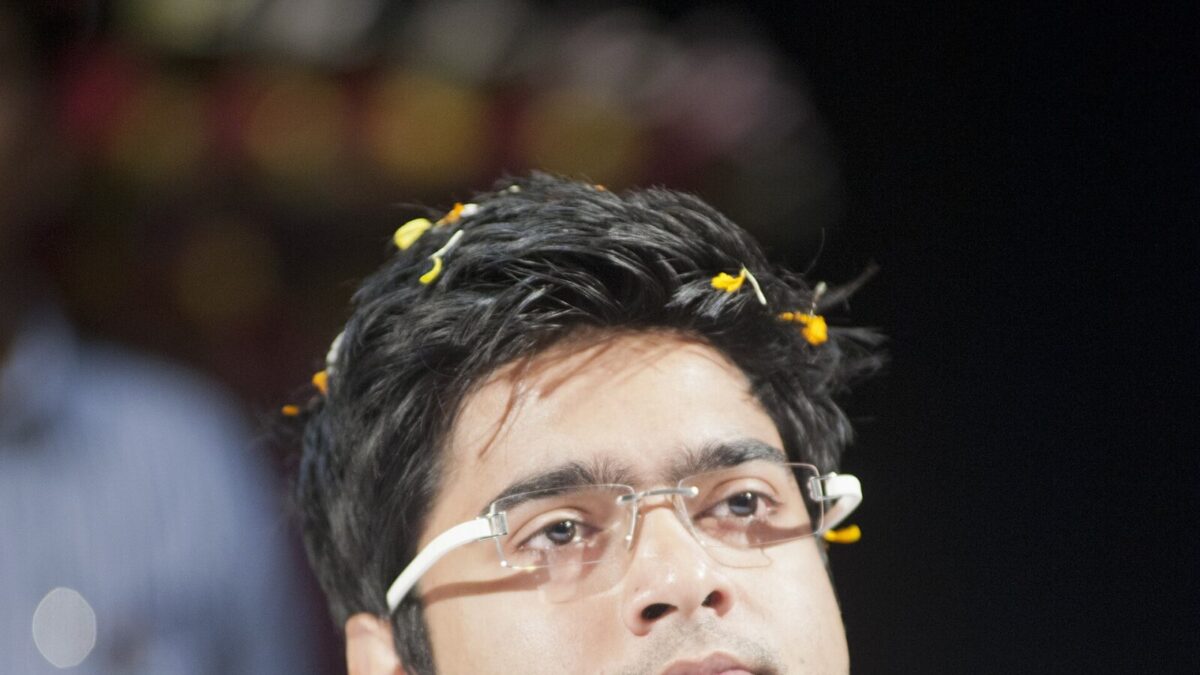
One hour. That is all the time Abhishek Banerjee says he would need to walk away from his own career.
The Trinamool Congress heavyweight — and nephew of party chief Mamata Banerjee — has pledged to resign within sixty minutes if the party's rebel lawmakers agree to return to her fold. The dramatic offer, first reported by India Today, surfaced on Saturday, just as the Lok Sabha Speaker weighs the fate of 20 rebel TMC MPs seeking formal recognition of their merger with the NCPI.
A Gamble Timed to the Speaker's Ruling
The timing is no coincidence. Should the Speaker validate the merger, the breakaway hardens into fact — and the TMC's parliamentary strength shrinks overnight. Banerjee's pledge reads as a last-ditch attempt to stop the split, staking his own position to force the rebels into a stark choice: come home, and he goes.
It is, by any measure, the boldest gamble of his political life. The framing itself tells a story. By naming Mamata rather than the party apparatus, Banerjee implies the rebels' quarrel was never really with the Trinamool — it was with him. He is, in effect, offering himself as the sacrifice that ends the rebellion.
That flips the script on the dissidents. Accept the offer and they reclaim their place in the party, but at the cost of proving his point. Reject it, and the merger barrels ahead with no road back.
Why the Standoff Resonates Beyond Bengal
The Trinamool Congress is no ordinary regional outfit. It ranks among the most influential state-based forces in Indian politics, and any rupture in its parliamentary bloc reverberates straight through the opposition benches in New Delhi. A defection of 20 MPs, if blessed by the Speaker, would stand among the most significant blows the party has absorbed since Mamata Banerjee built it into Bengal's dominant machine.
In India, such dramas run through the Speaker's office, which decides whether a breakaway group qualifies as a legitimate merger — a ruling that can determine whether defecting lawmakers keep their seats at all. That process now hangs over every move in this saga, and it explains why Banerjee chose this precise moment to go public with his ultimatum.
No Answer Yet From the Rebels
So far, silence. The 20 rebel MPs have given no public indication of whether they will take the deal, and the Speaker's decision remains pending. Two clocks are now ticking at once — Banerjee's one-hour promise and the deliberation in the Speaker's chambers.
For observers beyond India, the episode is a sharp reminder of how fluid party loyalties can be in the world's largest democracy, where a single ruling or a single dramatic interview can redraw the political map overnight. Whether the rebels blink, or call the bluff, will decide the next chapter of Bengal's most powerful political family.
Banerjee, at least, has made his terms plain.
"If the rebels return to Mamata Banerjee, I'll resign within an hour," he said.