Four Babies, One Placenta: Brisbane Family Welcomes Identical Quadruplets in One of the World’s Rarest Births
Four newborns. One placenta. A Queensland family has welcomed identical quadruplets in Brisbane, a delivery described as one of the rarest births anywhere in...
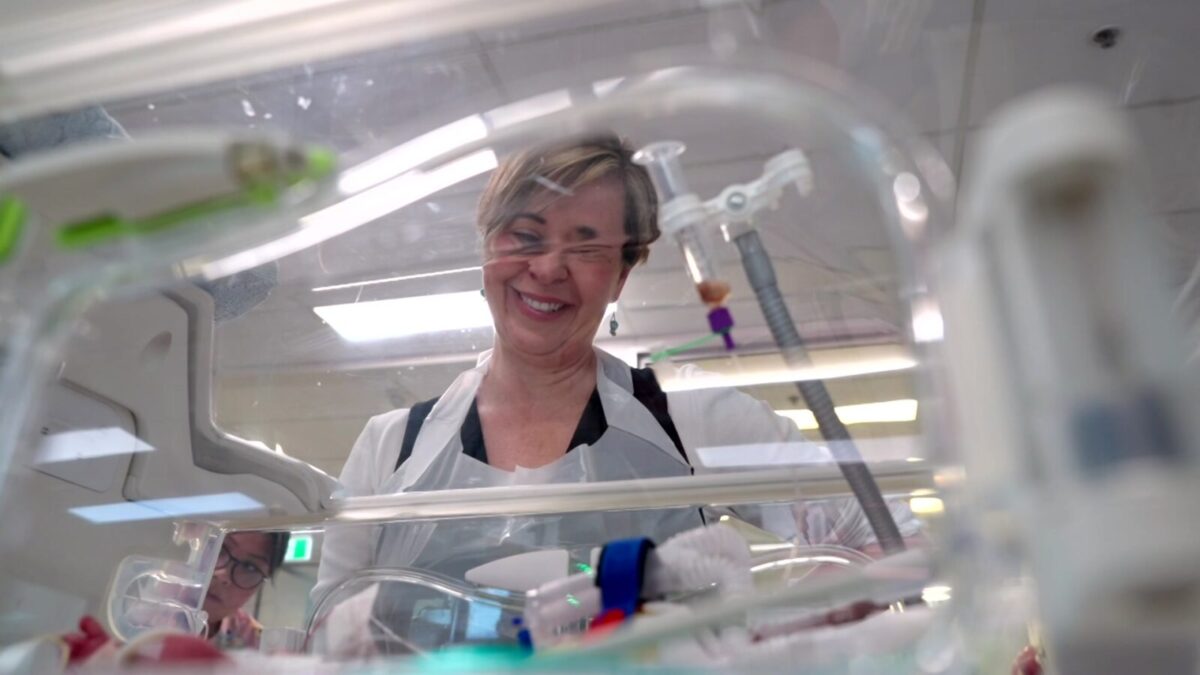
Four newborns. One placenta. A Queensland family has welcomed identical quadruplets in Brisbane, a delivery described as one of the rarest births anywhere in the world, the ABC reported Monday.
What sets this birth apart is not just the number. The four babies are identical, and all of them were sustained through pregnancy by a single shared placenta — a configuration so unusual that documented cases worldwide remain vanishingly few. The family's household grew by four in a single day.
Why One Placenta Changes Everything
Most quadruplet pregnancies look nothing like this. They typically follow fertility treatment and produce four fraternal siblings, each with their own placenta or sharing in pairs. This case began differently: a single fertilised egg split, then split again, eventually yielding four genetically identical babies — every one of them drawing nourishment from the same organ.
That shared lifeline is what makes such a pregnancy so precarious. When multiple babies depend on one placenta, blood flow can divide unevenly. One baby may receive more than the others. Doctors monitoring monochorionic multiples also watch for a dangerous imbalance known as twin-to-twin transfusion syndrome, in which blood passes from one sibling to another through connecting vessels in the placenta.
Pregnancies of this kind demand relentless surveillance. Frequent ultrasounds. Growth checks. Doppler scans tracking circulation in each baby, week after week, with a medical team alert to the smallest sign that one of the four is falling behind.
Just How Rare Is Rare?
Quadruplets of any kind are uncommon; naturally conceived sets occur in roughly one in several hundred thousand pregnancies. Identical quadruplets occupy a different statistical universe entirely. The odds are staggering. By the most commonly cited estimates, they fall somewhere between one in 11 million and one in 15 million pregnancies.
Then add the placenta. Identical quadruplets sharing a single placenta are rarer still, a combination only occasionally recorded in medical literature anywhere on the planet. That is why the phrase "one of the rarest births in the world" attached itself so quickly to the Brisbane delivery — for once, the superlative fits.
The Weeks Ahead
Rarity, though, is only half the story. Multiple births almost always arrive early, and four babies sharing one placenta face a demanding start to life: neonatal intensive care, possible help with breathing and feeding, and round-the-clock monitoring until each child can hold a steady temperature and gain weight on their own.
For the parents, the arithmetic of daily life has shifted overnight — four times the feeds, four times the nappies, four cots where a household may have planned for one.
The immediate work now belongs to Brisbane's neonatal teams, who will measure progress in grams gained and quiet, uneventful days. If all four babies continue to thrive, the family will approach a milestone almost no household on earth has reached: bringing four identical newborns home at once.