Tate Brothers Taken Into U.S. Custody in Miami as U.K. Rape Charges Pile Up
Federal law enforcement officers took Andrew and Tristan Tate into custody in Miami on Saturday, U.S. officials said, opening a new American chapter in the
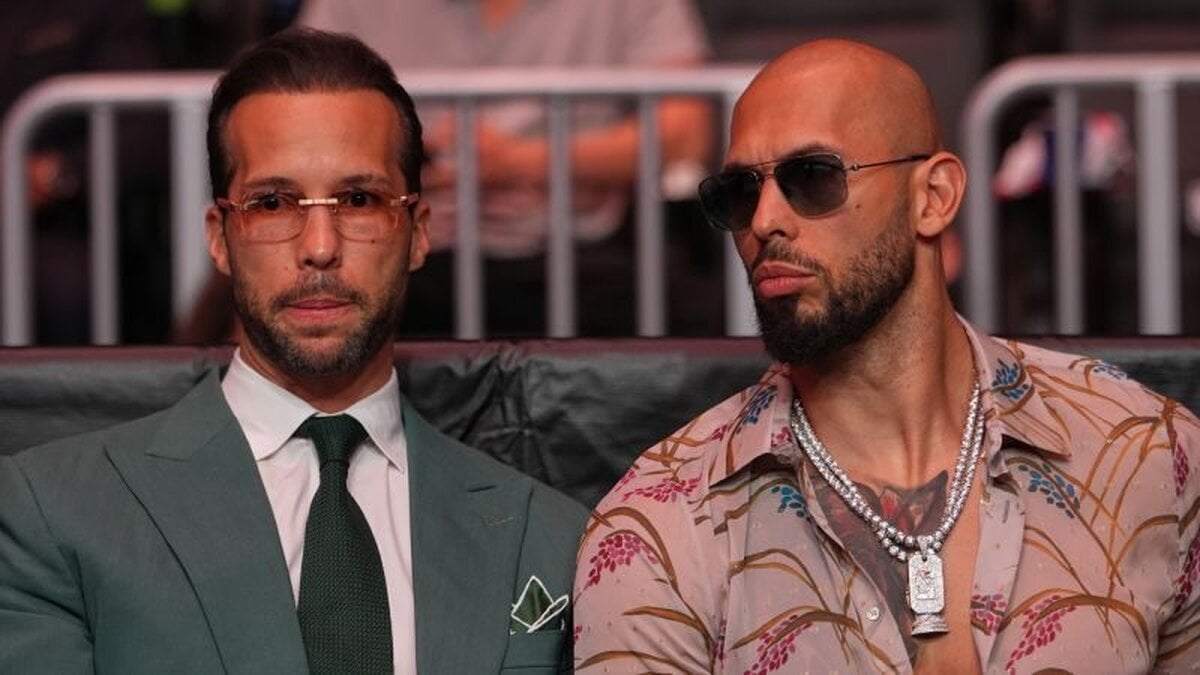
Federal law enforcement officers took Andrew and Tristan Tate into custody in Miami on Saturday, U.S. officials said, opening a new American chapter in the legal troubles now pressing in on the social media influencers from more than one direction. The brothers were already facing rape charges in Britain — and that case has grown, with additional counts now added to the docket.
The Saturday operation unfolded in South Florida, a region where the Tates have kept a highly visible presence. Authorities released few immediate details about what prompted federal officials to move on the pair, or how long they are expected to remain in custody.
An arrest that lands far beyond one jurisdiction
The legal picture surrounding the brothers now stretches across the Atlantic. In Britain, prosecutors have pursued rape charges against them, and the word from London is that the list of allegations has lengthened rather than narrowed. Now, with the Miami detention, U.S. authorities have entered the frame directly.
What precisely the American custody means — whether it connects to the British case, precedes a formal extradition request, or involves a separate matter — remains an open question. Officials on both sides have yet to lay out a public roadmap. That silence is likely to fuel intense scrutiny in the days ahead.
Why the tech world is watching
The Tates are not conventional defendants. They are products of the influencer economy, men who converted social media reach into wealth, notoriety and a devoted audience drawn heavily from young men online. Their rise tracked the algorithms that reward provocation; their content, long criticized as demeaning toward women, spread across the biggest platforms on earth.
That trajectory has made them a running test case for the industry itself. How should platforms treat figures who drive enormous engagement while attracting serious criminal allegations? Where does a creator's brand end and a defendant's liability begin? Regulators, advertisers and platform executives have wrestled with versions of those questions for years. A high-profile arrest sharpens every one of them.
The case also illustrates a shift in how law enforcement treats online celebrity. Reach no longer functions as armor. Follower counts do not slow down an indictment, and a global audience cannot vote a charge sheet away.
What happens next
Attention now turns to the brothers' first appearances before U.S. authorities and to any formal statement from federal officials explaining the grounds for Saturday's detention. In Britain, the expanded rape case will proceed on its own track, raising the prospect of a complicated legal sequence spanning two countries.
It was not immediately clear whether the Tates have retained counsel for the U.S. matter or when a court date might be set.
For two men who built an online empire on the image of being untouchable, Saturday ended in handcuffs — in one country, with prosecutors in another waiting for their turn.