The Tracker Knew Before She Did: Women Spot Early Pregnancy Signs in Wearable Data
Ravika didn't need a test strip to suspect something had changed. Her wrist told her first — numbers on her fitness tracker drifting out of
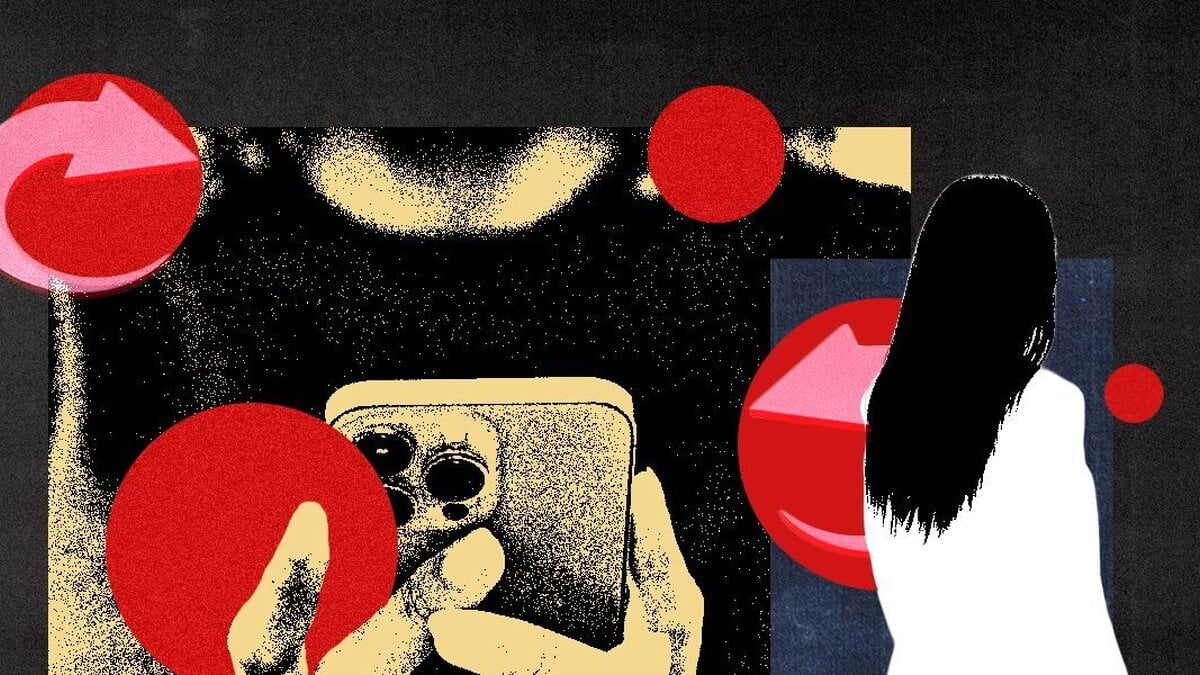
Ravika didn't need a test strip to suspect something had changed. Her wrist told her first — numbers on her fitness tracker drifting out of their normal range days before she had any other reason to think she might be pregnant.
She is far from alone. Hundreds of women now describe the same sequence: a smartwatch, band or sensor ring flags subtle physiological shifts, and only later does a pharmacy test confirm what the data had been hinting at all along.
The pattern, reported by the BBC, lands at a moment when wearable devices have moved well beyond step counts. They now sit on nightstands and wrists around the clock, quietly logging the body's background rhythms — and pregnancy, it turns out, rewrites those rhythms early.
The Signals Hiding in Plain Sight
The clues are unglamorous. Resting heart rate climbs. Heart rate variability — the tiny beat-to-beat fluctuations linked to recovery and hormonal state — tends to dip. Skin temperature edges upward. Sleep scores fray.
None of these changes means much on its own. A bad week at work, a virus, even a few glasses of wine can bend the same metrics in the same direction. But stacked together, night after night, they sketch an outline that some women have learned to read.
That is what happened in Ravika's case. The data didn't announce a pregnancy. It whispered that something was off — and the whisper proved right.
Why It Matters Beyond One Pregnancy
The stakes run deeper than a clever party story. Early awareness of pregnancy shapes early decisions: prenatal vitamins, avoiding alcohol, booking a first scan. In countries where seeing a doctor quickly is difficult or expensive, a passive nudge from a device someone already owns carries obvious appeal.
Researchers have taken note. Wearables generate the kind of continuous, real-world data that clinics cannot — not a snapshot from one appointment, but weeks of baseline behavior against which any change stands out. Fertility and cycle-tracking features, once niche, now rank among the most-used tools on mainstream devices.
Still, the gap between signal and diagnosis is wide.
Doctors Urge a Steady Hand
Medical professionals consistently draw the same line: trackers are not diagnostic instruments. An elevated resting heart rate is a prompt to take a test, not a result. Women who treat an app notification as confirmation risk false reassurance — or false alarm.
Then there is the question of who else sees the data. Reproductive information stored on company servers sits in a legal grey zone in many jurisdictions, and privacy advocates have warned that few users read the terms covering how it might be shared, sold or subpoenaed. The same numbers that delight an expectant mother could, in the wrong hands, expose her.
Regulators have yet to catch up. Health claims made by consumer devices face far lighter scrutiny than those made by medical equipment, even as the boundary between the two blurs by the year.
For now, women like Ravika treat the alert as a nudge rather than a verdict — a tap on the shoulder from a machine that noticed first. The technology is already doing this. The rules, the safeguards and the science of what to do next are still running behind it.