US Slaps New Tariffs on Dozens of Trading Partners After Supreme Court Ruling
The United States has imposed a new wave of tariffs on dozens of trading partners, replacing a temporary global duty that had been put in
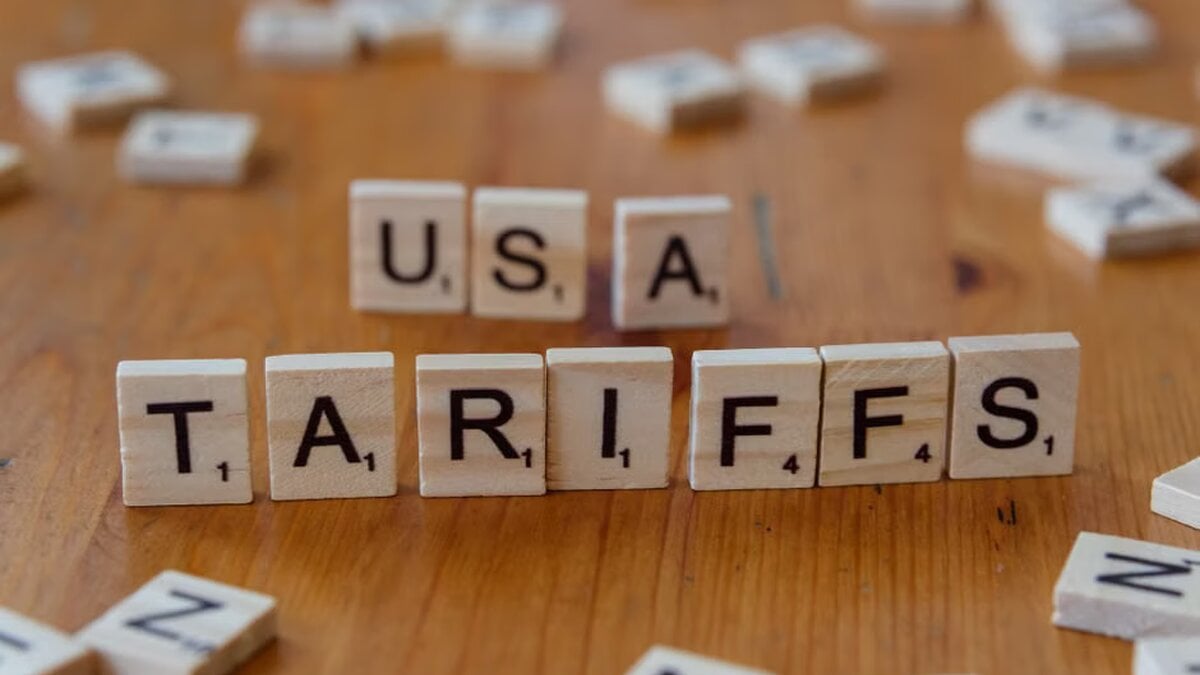
The United States has imposed a new wave of tariffs on dozens of trading partners, replacing a temporary global duty that had been put in place after the Supreme Court struck down earlier tariffs in February. The new levies were introduced on grounds linked to forced labour concerns, widening the reach of Washington’s trade pressure.
The move lands with immediate consequences for exporters across multiple regions. It also resets a dispute that had been hanging over global supply chains for months. Quietly, the pressure had been building.
Tariffs return after court setback
The latest duties come after the US Supreme Court knocked down tariffs in February, forcing the administration to rely on a temporary global duty while it regrouped. That stopgap has now been replaced by the new tariff wave, aimed at a broad set of trading partners.
Officials framed the levies around forced labour concerns, tying trade access to labour standards and supply-chain scrutiny. For companies shipping goods into the American market, that means another layer of checks, paperwork and cost. For governments abroad, it means fresh diplomatic friction.
The decision shows how trade policy remains a blunt instrument in Washington. It can move quickly. It can also ripple widely. A ruling in one court can force a reset across the world.
Global supply chains face another test
The new tariffs arrive at a sensitive moment for the world economy, where exporters, manufacturers and retailers are still dealing with higher costs and fragile logistics. Even without naming individual countries in the source material, the scope matters: dozens of partners now face a new trade barrier from the United States.
That broad reach matters because tariff shocks do not stay local. They spread through shipping contracts, sourcing decisions and prices at the factory gate. A shipment delayed here, a contract renegotiated there. The effects stack up.
For markets outside the US, the biggest concern is uncertainty. Tariffs can change margins overnight. They can also push firms to look for new suppliers or reroute production, a shift that often takes time and money.
Forced labour as trade leverage
By citing forced labour concerns, Washington is linking economic policy with human rights enforcement. That approach has become more prominent in recent years as countries place greater scrutiny on how and where goods are made.
But the practical outcome is still a tariff. Goods entering the US will face the new levies, and trading partners will have to adapt. Some will challenge the move politically. Others will quietly adjust their export plans. Many will do both.
The timing is awkward for a global economy already juggling slow growth, cost pressures and trade fragmentation. New duties from the world’s largest economy add another fault line. And that can travel fast.
What comes next
The replacement of the temporary global duty suggests the White House is determined to keep pressure on trading partners even after the Supreme Court setback in February. The new tariffs are now in place, and the reaction from capitals and trade ministries will shape the next phase.
What happens next may depend on whether trading partners push back, seek exemptions or mirror the pressure in their own way. For now, the message from Washington is clear. The tariffs are back.
“The levies replace a temporary global duty brought in after the US Supreme Court struck down tariffs in February,” the source material said.