Comrades Marathon members vote to break with ASA and KZNA, clearing path for independent race
Has moved to sever ties with Athletics South Africa and KwaZulu-Natal Athletics, after members voted to let the race proceed independently ...
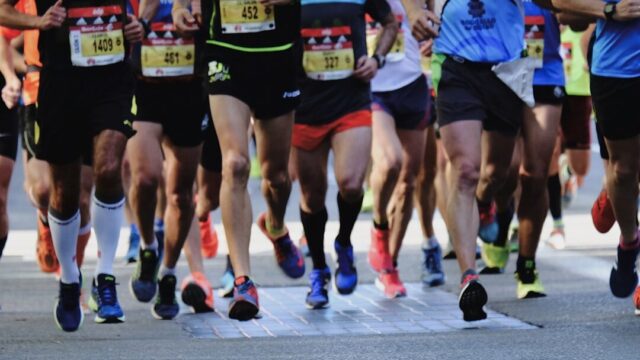
Comrades Marathon has moved to sever ties with Athletics South Africa and KwaZulu-Natal Athletics, after members voted to let the race proceed independently at a special general meeting on 1 August. The decision gives the 100-year-old road race room to keep running, but it also deepens a fight over who controls South Africa’s most famous ultramarathon.
The vote comes after weeks of friction between the Comrades Marathon Association and the two governing bodies. ASA had stepped in to mediate, warning that the race could not drift into operating like a “fun run” outside the country’s athletics structures. But CMA officials have argued there was no legal basis to stop the event, and members backing secession say the move protects the race’s interests.
Money, levies and control
At the centre of the dispute is money. A CMA member writing ahead of the SGM said KwaZulu-Natal Athletics had in the past claimed a 10% entry-fee levy, describing it as a payment for doing nothing visible for the race. The same source said KZNA is claiming R3 million from the 2026 event, though the CMA formally withdrew from KZNA after its November 2025 annual general meeting, leaving no legal obligation to pay that amount.
The member argued that reaffiliation would bring back KZNA’s claim on future events, including 2027. For Comrades, the case for staying out was straightforward: avoid the levy, keep the savings and decide where the money goes.
Those savings could be used to cut entry fees or lift prize money, according to the same argument. The CMA board has said it wants to ringfence an amount larger than the current 10% and direct it into South African athletics development. The details are still to be worked out. But the possibilities, as one member put it, are wide open — from funding provincial or national teams to improving worn-down athletic facilities.
ASA pushes back
ASA acting president John Mathane has taken a harder line. He said Comrades cannot become an event that operates on its own terms and still be treated like a properly regulated athletics race. His message was blunt: the CMA must respect the provincial and national affiliates.
Mathane also linked the row to unpaid levies, saying KZN Athletics was waiting for its money and that the province expected the CMA to pay. He said ASA was willing to mediate and intervene where needed. The federation has an interest in keeping the race inside the sport’s formal structure, especially with the 2027 edition set to be the historic 100th Comrades, run from Pietermaritzburg to Durban on 13 June.
For now, the members have chosen separation. The race goes on. But the standoff over fees, authority and the future shape of the event is not going away soon.