Indonesia's Independence Proclamation Remains a Symbol of Sovereignty
The history of Indonesia's two-sentence Proclamation text and its ongoing significance in the nation's 2026 Independence Day celebrations.
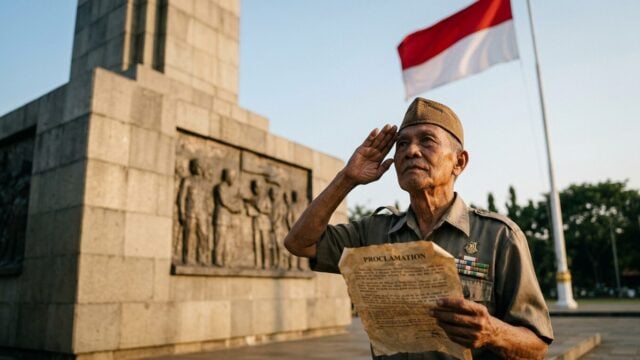
The two-sentence text of the Indonesian Declaration of Independence has resurfaced in public discourse as the nation approaches its August 17 commemoration. These brief, historic lines serve as more than a archival document; they stand as the foundational bedrock of the Indonesian state.
A Turning Point in History
The proclamation read in Jakarta on August 17, 1945, marked a decisive pivot in national history. Sukarno, flanked by Mohammad Hatta, delivered the declaration following a tense night of drafting. News of Japan’s surrender in World War II had emboldened youth groups to press for immediate independence, rejecting any delay that might require authorization from the Japanese administration.
The drafting process centered on the residence of Rear Admiral Tadashi Maeda, located at Jalan Imam Bonjol Number 1, Menteng, Central Jakarta. Within that colonial-era building, key figures gathered to craft the succinct message that Sukarno would eventually read aloud at Jalan Pegangsaan Timur Number 56. Today, the Maeda residence is known as the Museum of the Formulation of the Proclamation Text.
Poetry and Power
As the nation observes this year’s anniversary, the symbolic weight of the proclamation text has garnered fresh attention. The Ministry of Religious Affairs has noted that the two sentences possess a poetic quality, carrying profound symbolic power. According to reports from the news agency ANTARA, Sukarno and Hatta served as the primary architects of the document, supported by a host of other prominent figures.
Broadcasting the News
The role of radio broadcasting proved vital in relaying the news of the newborn nation. Muhamad Yusuf Ronodipuro, a radio announcer trapped within the Hoso Kyoku Building on Jalan Medan Merdeka Barat, Jakarta, played a crucial part in transmitting the message to the international community. Since August 14, 1945, Japanese military police—the Kempetai—had strictly guarded the facility and halted all overseas broadcasts.
However, a single sheet of paper changed everything. On the evening of August 17, 1945, an employee delivered the news of the proclamation to Yusuf. From that moment, the word of Indonesia's independence began to echo globally.
Modern Commemorations
Today, the focus on the proclamation extends well beyond museums and historical archives. In Yogyakarta, authorities deployed hundreds of security personnel to manage the Indonesia Inclusion Parade on Malioboro Street. Meanwhile, over 100 students from special needs schools (SLB) toured the Gedung Agung palace, experiencing the site of national governance firsthand. This focus on inclusion in 2026 offers a modern perspective on how the public engages with the nation's independence.