Inside Taliban Rule in Afghanistan: BBC Finds Rare Glimpse of Daily Power and Control
A boy’s broken arm gets cash. A mosque gets funds. Then the mood shifts sharply inside Governor Abdullah Sarhadi’s office in northern Afghanistan, where a
A boy’s broken arm gets cash. A mosque gets funds. Then the mood shifts sharply inside Governor Abdullah Sarhadi’s office in northern Afghanistan, where a young woman arrives to seek a divorce and exposes the blunt mechanics of Taliban rule.
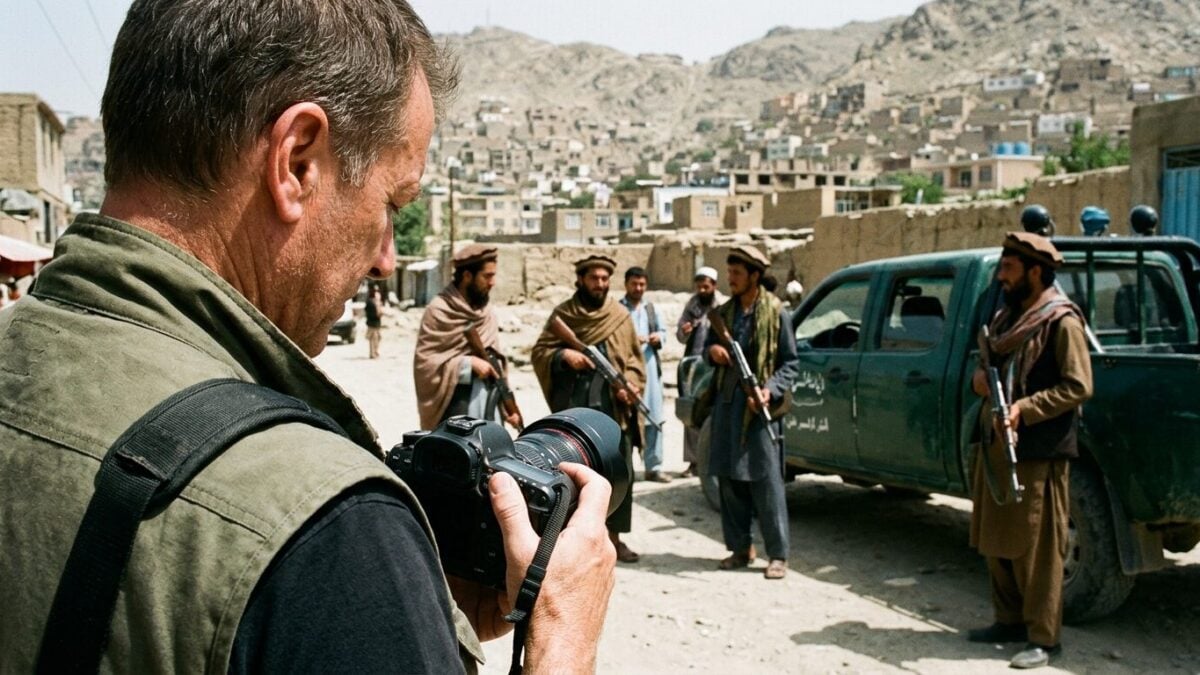
The BBC said it gained unusual access over two years to scenes that offer a rare look at how the Islamist movement governs five years after it toppled the US-backed government in 2021. What emerges is a system that mixes patronage, strict social control and old-school authority — all under the gaze of smartphones now common across the country.
A petition for divorce, answered with scorn
In the office, the 18-year-old woman calmly tells the grey-bearded former Taliban commander that she wants to leave her husband, accusing him of months of abuse and beatings. She speaks from behind a full-face veil and sunglasses. Her face stays hidden. Her resolve does not.
“If there was any chance to live together, I wouldn’t be here… I have taken my decision,” she says.
The exchange is striking not just for what she says, but for where she says it. Girls in Afghanistan are banned from secondary education, and women have been pushed out of most workplaces, barred from universities and blocked from travelling alone or entering parks and leisure centres. Yet here she is, arguing her case directly before a Taliban governor.
Sarhadi first tries to persuade her to avoid divorce. Later, he comments that women are “mindless” and “deficient in intellect”, drawing laughter from the male officials, bodyguards and elders around him.
Power dressed as charity
The same scene captures a wider pattern. Sarhadi hands out money for a child’s medical treatment and support for a local mosque before turning to the divorce case. The gestures project benevolence. The language and setting reveal the limits of that generosity.
For the Taliban, authority is not exercised only through bans and decrees. It also runs through local offices, personal mediation and visible control over who may speak, move or decide. The BBC’s account suggests that daily governance in Afghanistan is built as much on influence and intimidation as on formal state structures.
A country remade under Taliban rule
Five years after the Taliban’s return, the group remains in firm control of public life. Women have borne the heaviest burden. Their exclusion from education and work has reshaped households, narrowed choices and deepened dependence on male relatives and local power holders.
The BBC’s reporting, spread across two years, offers a rare window into that reality. It shows a government that can dispense cash for a medical bill in one breath and dismiss women’s judgment in the next. That contradiction sits at the heart of life under Taliban rule: access is granted, but on terms set by men with power.
And in Sarhadi’s office, the young woman keeps her stance. “I have taken my decision,” she says.