Australia’s carp herpes plan slips again as officials weigh a virus release to curb a pest fish
?s long-delayed plan to deploy a herpes virus against invasive carp will not reach the finish line until at least 2028, pushing any possible release
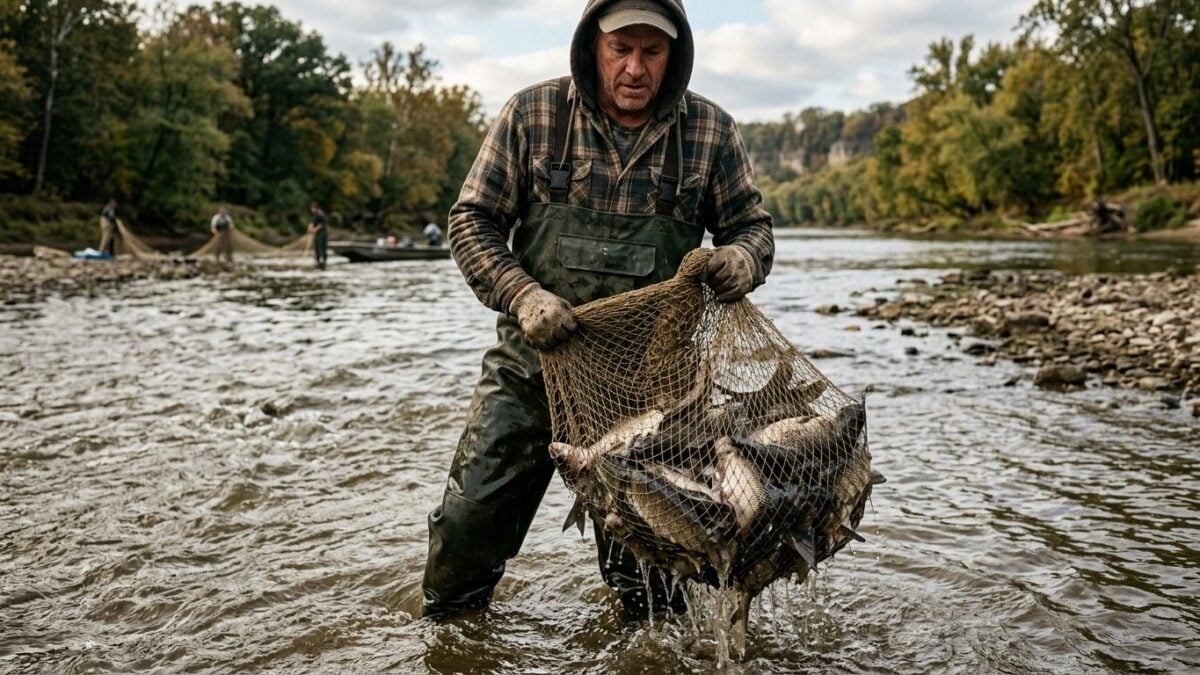
Australia’s long-delayed plan to deploy a herpes virus against invasive carp will not reach the finish line until at least 2028, pushing any possible release about a decade beyond the original timetable. The delay leaves fishers and pest-control crews to keep trapping carp and using other controls while governments wait for the research to wrap up.
Cyprinid herpesvirus-3 sits at the center of the National Carp Control Plan, a program launched in 2016 to test whether a virus could help cut back one of Australia’s most damaging freshwater pests. State and territory governments would ultimately decide whether to release it.
A pest that dominates waterways
Carp arrived in Australian waterways in the mid-1800s and have spread widely since. In heavily infested rivers, they can account for as much as 90% of the organic material, turning up the pressure on native fish and the health of freshwater systems.
The language around them has never been subtle. Peter Teakle, a recreational fisher who joined the National Carp Task Force, described them as “nothing but mobile sludge pumps.” It is a blunt line, but it captures why the species has stayed near the top of the country’s invasive-species agenda.
The original idea was simple enough. If research showed the virus was safe, officials expected it could be ready for release by 2018. That never happened. The work was handed on to federal agriculture authorities, and the timeline kept slipping.
Waiting for the science
Now the finish date is at least two years away, with the research not expected to be completed before 2028. Only after that would the decision move to state and territory leaders, adding another political hurdle to an already long scientific process.
So the interim response remains hands-on. Fishers are trapping carp, and control work continues in the meantime. Slow progress. A very slow burn.
The drawn-out process matters because biocontrol can cut both ways. A virus aimed at a pest fish must be judged not just on whether it kills carp, but on what it might do to waterways and native species around them. That concern sat at the heart of the National Carp Control Plan from the start.
The latest delay also lands against a broader global backdrop. Invasive fish outbreaks and die-offs have prompted similar attention elsewhere, with officials and researchers in other regions watching how virus-based control methods perform in the field. In Australia, though, the next hard date is still 2028 — when the study is supposed to be finished and the release question finally lands back on government desks.