Colombian Gangs Turn to Social Media and Explosive Drones to Recruit Children, Rights Group Warns
Armed criminal groups operating across Colombia's rural regions are systematically targeting children through social media platforms, training some to operat...
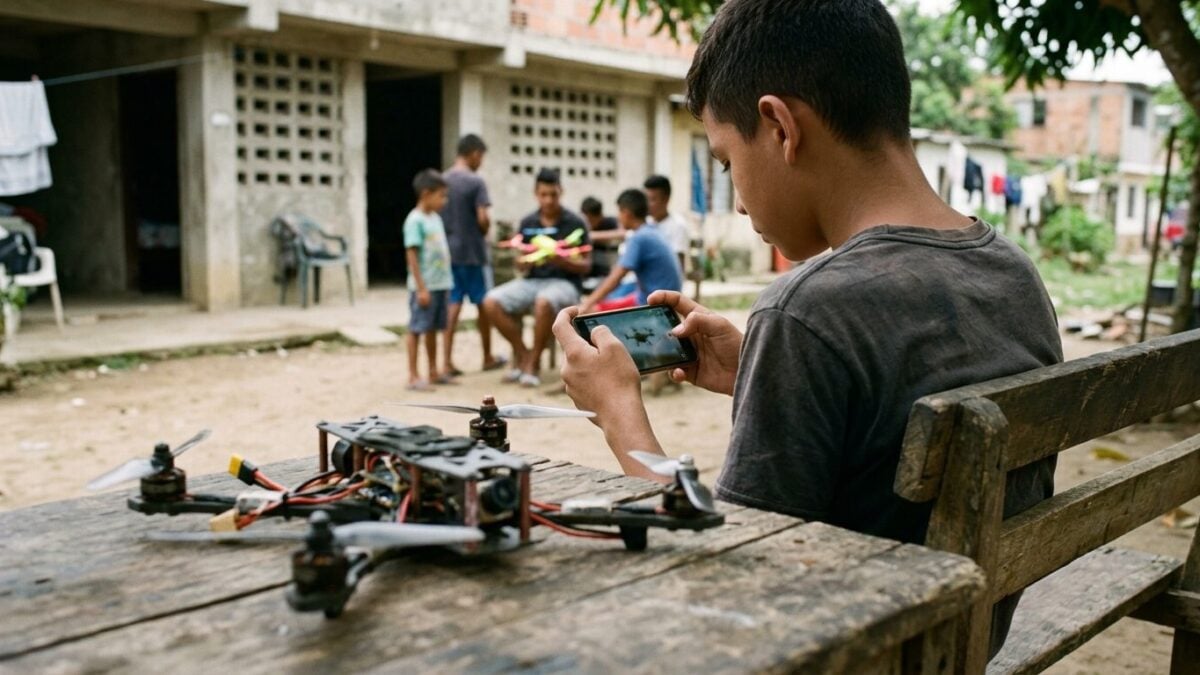
Armed criminal groups operating across Colombia's rural regions are systematically targeting children through social media platforms, training some to operate explosive-laden drones as part of their grip on drug trafficking and illegal mining territories. The alarming trend came to light Monday when Human Rights Watch released findings documenting how protection systems designed for minors have largely collapsed.
The rights organization said criminal syndicates are exploiting digital channels to pull youngsters into their ranks with little consequence. "Armed groups in Colombia are recruiting children with impunity," Juanita Goebertus, who heads Human Rights Watch's Americas division, said in the report. "Protection systems are failing, and social media platforms have become a more effective recruiting ground."
Numbers Tell a Stark Story
Colombia's own Human Rights Defenders' Office documented at least 1,500 children drafted by armed factions since 2021. Last year alone saw 625 confirmed cases. The scale echoes historical precedent: a national truth commission previously estimated that roughly 1,320 minors were conscripted in 1999, when the country's internal conflict peaked in violence.
Children pressed into service face extreme dangers. Some are assigned to fly weaponized drones. Others handle weapons, stand guard, or carry out extortion on behalf of their recruiters. The groups use control over remote agricultural zones—where they profit from cocaine production, shakedowns, and clandestine mining—to operate largely unchecked by state authority.
Why Social Media Works So Well for Recruiters
Digital platforms offer gangs an unprecedented advantage. They can identify vulnerable minors, build relationships anonymously, and move recruitment discussions away from physical spaces where law enforcement might intervene. Economic desperation in rural areas makes children susceptible; the promise of money, status, or protection resonates where legitimate opportunity is scarce.
The collapse of local safeguards compounds the problem. Rural Colombia often lacks functioning schools, health clinics, and community oversight that might identify at-risk youth. When state institutions are absent or ineffective, non-state actors—criminal organizations among them—step into the vacuum.
Human Rights Watch's investigation underscores a widening gap between the threat gangs pose and the institutional capacity to counter recruitment at scale. Unless protection mechanisms strengthen and platforms tighten oversight of content aimed at minors, the organization warns that recruitment will likely accelerate.