Remote drones now patrol Manchester railways in race to cut trespass delays
Police drones are being launched remotely over railway lines in Manchester as British Transport Police steps up a programme designed to catch trespassers fas...
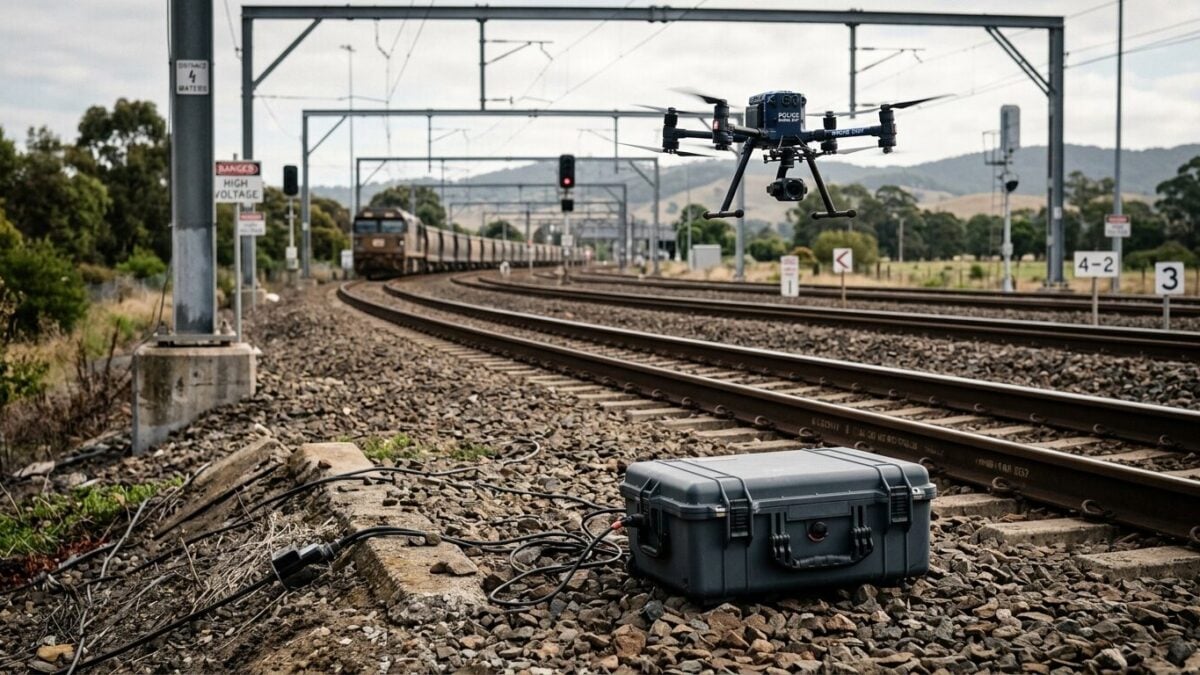
Police drones are being launched remotely over railway lines in Manchester as British Transport Police steps up a programme designed to catch trespassers faster and cut the delays they cause. The aircraft sit in weatherproof boxes beside the tracks and can take off without a pilot being anywhere near the site.
The system matters because rail trespass can stop trains moving quickly, ripple through busy commuter networks and leave passengers stuck far from where the problem started. BTP says the Manchester site was chosen because it is a known hotspot for trespass and disruption.
Launched from London, minutes after a call
When an incident is reported, pilots based in London can launch the drone remotely. They do not need to travel to Manchester first. The aircraft can also be sent up proactively, patrolling areas where intelligence suggests trespassing may be taking place.
Chief Constable Lucy D'Orsi said the average response time for the system since April was three minutes and 28 seconds. “The fundamental difference is that we wouldn't be able to get officers there that quick,” she said.
That speed is the point. Rail officers on the ground can take time to reach a line, especially when access is difficult or the report comes in from a wide patch of infrastructure. A remotely launched drone gives police an immediate view, helping them decide where to send staff and whether a trespass report is genuine or developing into something more disruptive.
Manchester joins a wider rollout
Manchester is the latest stop in a programme that began with BTP’s first site in Leeds in April 2025. Four sites have since been introduced across south London, alongside locations in Leicester and Manchester. BTP has said it hopes to establish more sites in the North West as the rollout continues, though no extra locations have been named.
The setup is simple on the surface. A box beside the line holds the drone in place, protecting it from the weather until a pilot sends it airborne. Once active, the aircraft can be used after a report comes in or before trouble starts, if intelligence points to a likely trespass site.
Rail trespass is more than a local nuisance. It can delay services across a network, divert staff from other duties and create risks for both the person on the tracks and train crews approaching at speed. That makes fast detection valuable well beyond the immediate spot where the drone is flying.
Part of a broader drone shift
The Manchester deployment lands in a week when drones are also drawing attention elsewhere for very different reasons. In Oregon, authorities have warned drone operators not to fly near active wildfires, saying unauthorized flights can force firefighting aircraft to stand down and risk collisions in shared airspace. In New York, police are preparing to use independent drone-mitigation powers at the U.S. Open, a sign that public agencies are moving quickly to respond to both useful and disruptive drone activity.
For BTP, the focus is narrower: track access, faster response, fewer delays. So far, the average launch-to-response time since April has stayed at three minutes and 28 seconds. That is the number the force wants to improve on as it expands the network.