Vance backs six-figure H-1B fee, says U.S. firms should hire and train Americans
US Vice President JD Vance has defended a Trump administration plan to impose a $103,265 fee on most new H-1B visa petitions, arguing that American
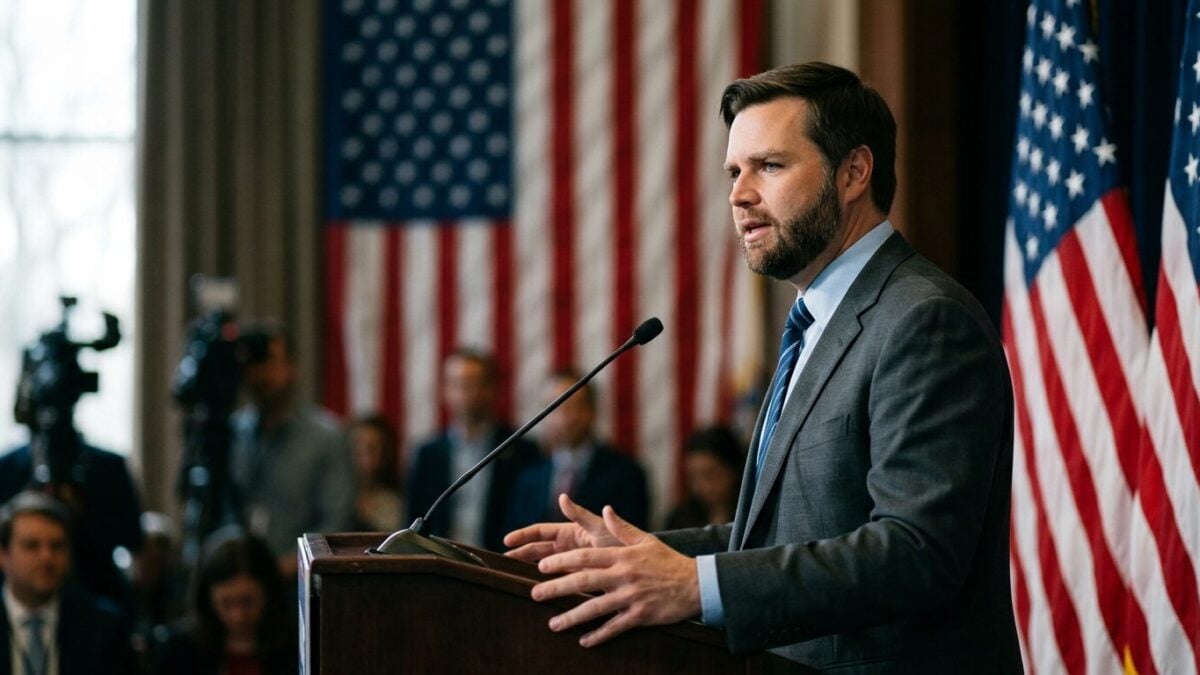
US Vice President JD Vance has defended a Trump administration plan to impose a $103,265 fee on most new H-1B visa petitions, arguing that American companies should first look to hire and train workers in the United States. The proposal, announced by the Department of Homeland Security on Monday, would hit new cap-subject petitions and could reshape how employers recruit skilled foreign talent.
Vance posted a US media report on X and added a blunt message: “If an American corporation needs workers, it should hire and train Americans.” The comment landed squarely in the long-running debate over whether the visa programme helps fill critical skills gaps or gives companies a cheaper route to talent they say is hard to find at home.
A steep new charge
The DHS filing says the proposed fee would apply to all H-1B cap-subject petitions, including those eligible for the advanced degree exemption. Companies would pay it when they file the petition. And it would come on top of other H-1B fees and payments already in place.
That makes the proposal far more than a routine fee update. For employers, especially in technology and other specialised sectors that rely on H-1B hires, the size of the charge alone could alter hiring plans. For applicants, it raises the cost of entry into a system already known for strict caps and heavy competition.
DHS framed the charge as a revenue mechanism, saying it would help recover part of the government’s costs in administering the lawful immigration system. The department said the money would support activities across DHS as well as the Justice, State and Labour departments.
What happens next
The rule is not final. The public has 30 days to submit comments, and the proposal could take months to become official if it survives that process. Legal challenges would only add more delay.
That uncertainty matters. Employers planning next year’s recruitment are now reading a policy draft that, if adopted, would move the H-1B programme into a much more expensive phase. The broader argument is already set: one side says the fee will push firms to develop domestic talent, while critics are likely to see a barrier to global hiring.
For now, the White House has signalled where it stands. Vance made the case in a single line. The next test will come in the comment period, and then in the courts if opponents choose to fight.