Indian Political Party Reshuffles Leadership with New Zone Committees and National Spokespersons
India's Cockroach Janta Party moved Tuesday to fortify its operational structure, unveiling a slate of new organizational roles and regional coordination tea...
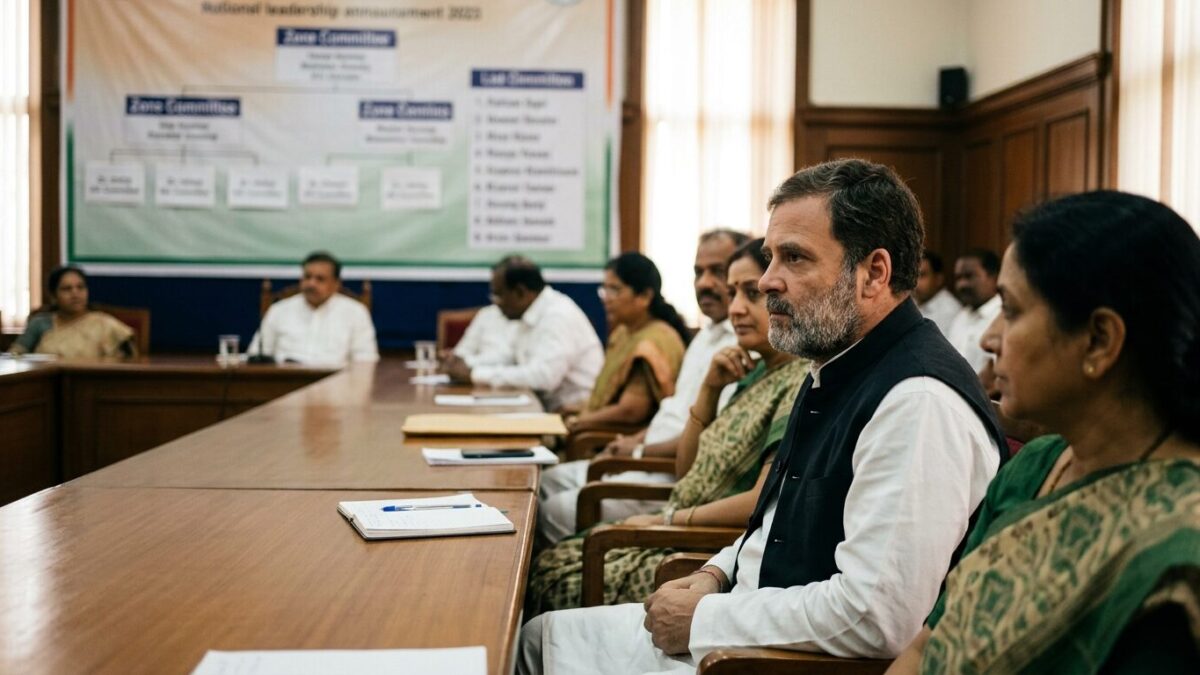
India's Cockroach Janta Party moved Tuesday to fortify its operational structure, unveiling a slate of new organizational roles and regional coordination teams designed to deepen its grassroots footprint across the country.
The party named five officials to joint secretary positions—Rekha Sharma, Akshay Shinde, Prem Aakash, Anam Uzzama, and Balakrishna Shukla—while tapping Sudhir Sangwan and Siddhant Bhardwaj as national spokespersons. The expansion targeted what party officials described as strengthening local leadership capacity and coordinating field operations from the ground up.
Regional Committee Expansion
Three newly constituted regional bodies now oversee operations in northern, western, and eastern India. The North Zone Coordination Committee drew from a broad membership including Aadesh Pradhan Gurjar, Azad Mohit, Mohd. Farhan Khan, and attorney Aarushi Ghai among others, bringing together 17 individuals across various backgrounds. The roster spans legal professionals, party organizers, and local figures—a structure typical of Indian political outfits seeking to blend administrative depth with ground-level credibility.
The West Zone Coordination Committee installed ten members, including Dr. Nitin Dighe, advocate Jaisingh Shere, and Rohit Patel. Similarly, an East Zone Coordination Committee was formed, though the party's announcement appeared incomplete in naming all its members.
What the Reshuffle Signals
Indian political parties regularly undertake such reorganizations when seeking to energize sagging constituencies or prepare for electoral cycles. By decentralizing authority to zone-level committees, the CJP aims to distribute decision-making and cultivate leadership benches at regional levels—a pragmatic hedge against over-reliance on central figures.
The appointments of national spokespersons typically signal a party's intention to amplify its media presence and craft coordinated messaging across states. Sangwan and Bhardwaj now carry responsibility for framing party positions on national issues.
The timing and scope of the overhaul remain modest relative to major Indian party restructurings, yet they underscore the CJP's efforts to build institutional depth. Whether these moves translate into electoral gains or expanded membership remains an open question—but the party's leadership clearly views organizational scaffolding as foundational to its growth strategy.