South Africa’s R4 Billion Fintech Scandal Widens as Lawmakers File Ethics Complaints
A R4 billion money trail tied to a fintech company linked to Democratic Alliance MP Mark Burke has triggered a political crisis in South Africa,
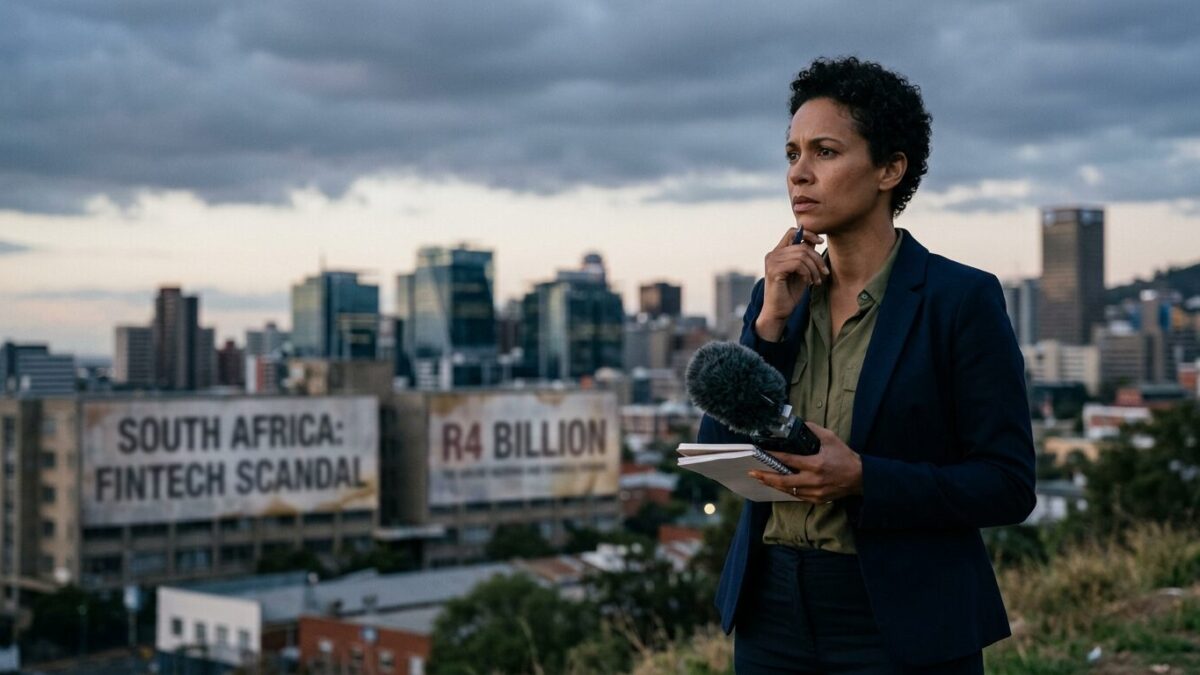
A R4 billion money trail tied to a fintech company linked to Democratic Alliance MP Mark Burke has triggered a political crisis in South Africa, with opposition parties escalating scrutiny through formal ethics complaints and criminal referrals.
The controversy centers on Kastelo, a financial services firm under investigation by the South African Reserve Bank for allegedly moving billions offshore without proper authorization. Court papers filed with the SARB reveal that Kastelo may have exploited the foreign-exchange entitlements of roughly 891 individual South Africans to acquire and transfer currency out of the country, apparently without their knowledge or consent.
How the Money Movement Allegedly Occurred
The mechanism appears straightforward but troubling. Citizens have annual allowances permitting them to move money across borders. Kastelo allegedly tapped into these individual allocations to facilitate far larger transfers. The company disputes the allegations and maintains its business model was lawful.
Reserve Bank authorities responded by freezing Kastelo's accounts at Access Bank after suspicious activity was flagged. When Kastelo went to court to challenge the freeze, judges rejected the company's application to unfreeze those assets. The ruling effectively upheld the central bank's emergency intervention.
Political Fallout Accelerates
Burke initially weathered the storm with party backing. That changed. The DA stripped him from all Parliament finance committees while investigations proceed—a sharp reversal that signals internal pressure.
The Economic Freedom Fighters (EFF) filed a formal ethics complaint against Burke with Parliament's Joint Committee on Ethics and Members' Interests on Monday, accusing him of violating standards expected of lawmakers. The move follows separate criminal cases opened by both the African National Congress and the MK Party in recent days, fragmenting political consensus and pushing the scandal beyond financial regulators into the criminal and parliamentary domains.
Broader Questions on Illicit Flows
Opposition lawmakers characterize the transaction chain as potential illicit financial flows—money moving offshore beyond regulatory oversight and arguably in breach of South Africa's exchange-control rules. If the allegations hold, the cumulative sum exceeds R4 billion.
The scandal reflects recurring vulnerabilities in South Africa's financial architecture. Previous investigations have traced questionable cash flows tied to state contracts. In 2018, journalists revealed how millions in ATM deposits flowed into a company linked to a former Transnet and Eskom executive. In another case, a property purchase worth R13.5 million was traced to funds originating from a controversial Prasa contractor.
Kastelo's legal challenge was dismissed by the South Gauteng High Court, removing a potential escape route for the company.