Victoria’s population boom could feed a ring of satellite cities around Melbourne
Is adding about one person every four minutes and 40 seconds, and most of them are ending up in Melbourne. The state’s capital is. Victoria — full details here.
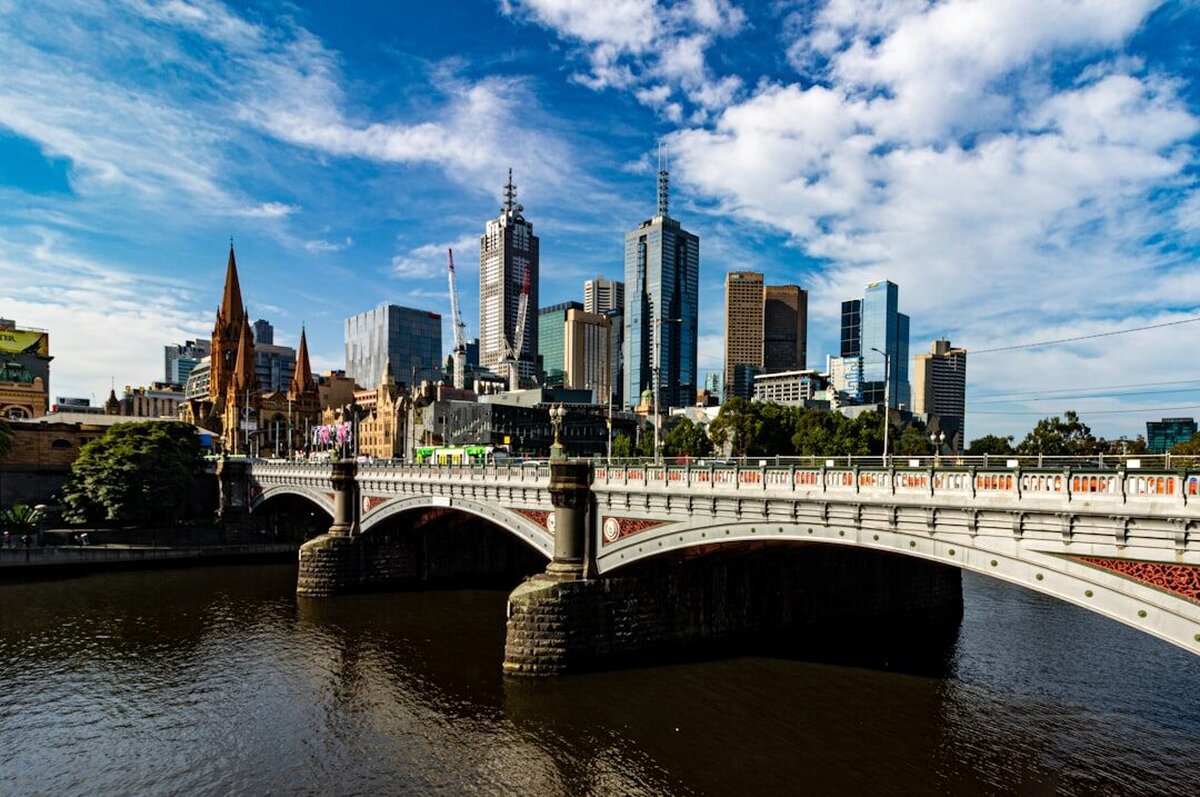
Victoria is adding about one person every four minutes and 40 seconds, and most of them are ending up in Melbourne. The state’s capital is on a path toward a megacity of more than 10 million people by 2101 unless growth is handled differently.
That scale would force the city to make room for the equivalent of two Perths over the lifetime of a baby born today. About 2,000 newcomers are already choosing Melbourne each week, a pace that pushes the debate beyond simple housing numbers and into the shape of the city itself.
A city that keeps spreading
If Melbourne keeps growing outward, the biggest gains by 2101 would land in places such as Wallan, Whittlesea, Cranbourne South, Sunbury and Eynesbury, according to population and housing projections cited in the source material. The pattern would keep the footprint expanding, with new homes pushed farther from the centre.
That prospect carries a familiar cost. Roads, services and commuting times all stretch with the boundary. The outer fringe grows fast, but not always cleanly. And once the sprawl starts, it is hard to pull back.
The case for established areas
The alternative is denser growth in areas Melbourne already knows well. That would place pressure on some heritage streetscapes in the inner east, while industrial land around the port, including West Melbourne and Port Melbourne, would need to shift toward residential use.
For planners, that trade-off is blunt. Either the city edges outwards, or it turns inward and repurposes land already tied to industry and history. There is no easy middle path in a state growing this quickly.
A ‘halo’ around the capital
That is where the idea of a “halo of satellite cities” comes in. Rather than forcing all future residents into the Melbourne core, the concept points to a ring of connected centres that can take pressure off the capital and absorb part of the forecast surge.
In practical terms, that means spreading growth across a wider urban network instead of concentrating it in one giant centre. The transport question sits at the heart of it. A hub that links those places well could decide whether the region leans toward sprawl, compression, or something in between.
Why the idea matters beyond Victoria
Megacity growth is no longer a distant theory. New York, Moscow and Shanghai already sit in that bracket, and Melbourne is moving toward similar territory if current trends continue. For global cities, the lesson is familiar: population growth is never just about how many people arrive. It is about where they can live, how they move, and what gets built first.
Victoria’s numbers keep climbing. The planning choices do not get easier. As one line from the source material puts it, the city is on course to become a megacity by the end of the century unless it finds a different way to absorb the load.