Amit Shah pushes AI-led counterterror doctrine as India steps up border and fugitive crackdown
NEW DELHI — Union Home Minister Amit Shah on Monday called for sharper training, faster trials and artificial intelligence-driven analysis as India rolled ou...
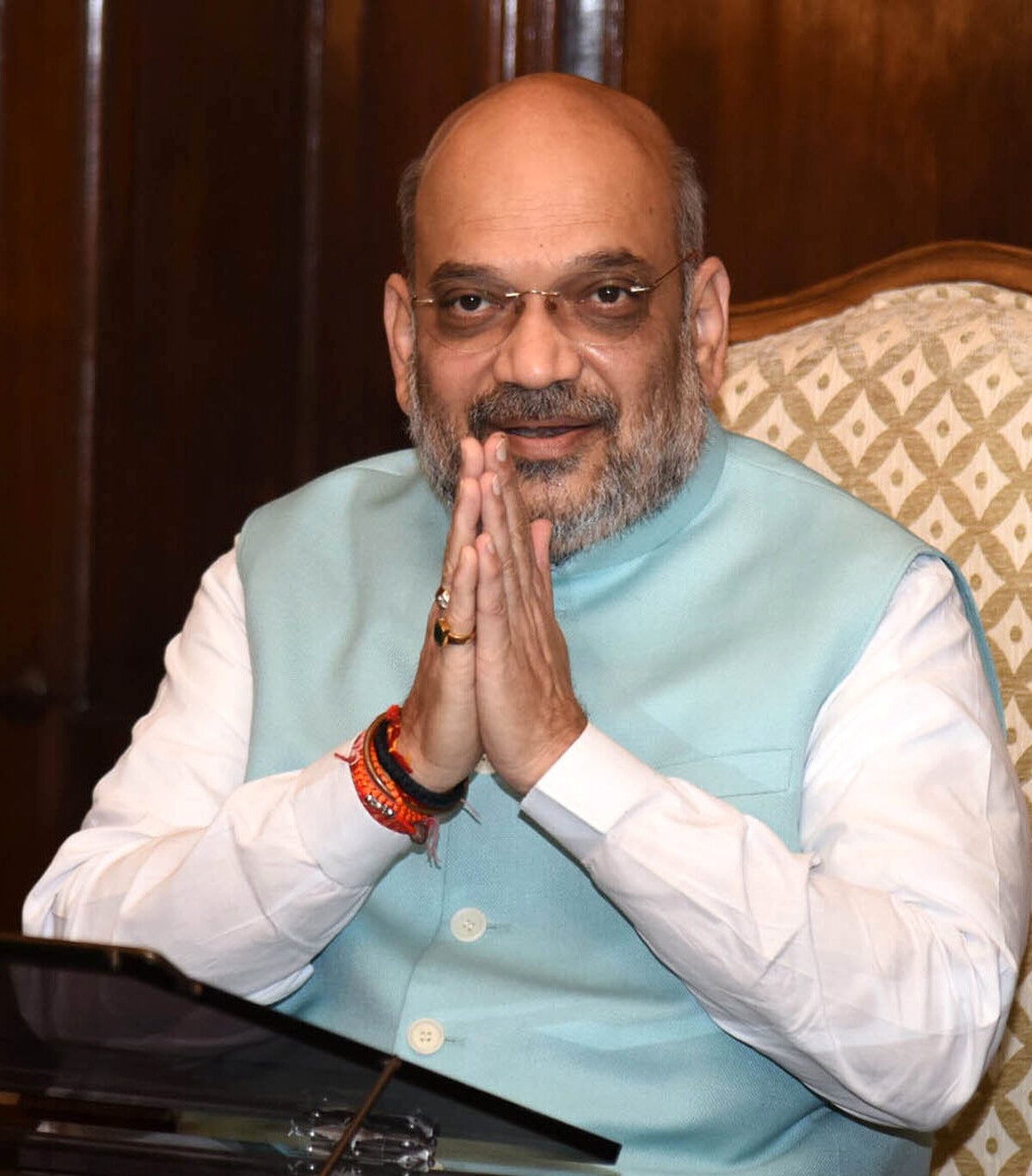
NEW DELHI — Union Home Minister Amit Shah on Monday called for sharper training, faster trials and artificial intelligence-driven analysis as India rolled out its first counter-terrorism and counter-radicalisation doctrine, Prahaar. He told security officials in New Delhi to speed up cases with cross-border links, bring back fugitives where possible and use trial in absentia to pursue foreign-based masterminds.
The push came during the opening of the two-day National Security Strategies Conference, attended by more than 850 officials from the security forces, agencies and police. Shah also ordered agencies to take strict action against infiltration. Firm line. No drift.
AI moves to the centre of security planning
Shah directed officials to use artificial intelligence to analyse information available on Multi-Agency Centre platforms and turn that material into standard operating procedures for different security threats. The instruction signals a stronger push to fuse data, intelligence and field response in one system rather than treat them as separate silos.
That focus on AI is not arriving in isolation. Earlier this year, Shah told chief ministers from the Northeast to look at AI, machine learning and blockchain for the next generation, while stressing that the region had moved beyond the era of insurgency. The same month, India’s home ministry said border and internal security planning needed tighter coordination across agencies and states.
Border pressure stays high
The home minister’s latest security review also fits a broader drive to harden India’s frontiers. He is scheduled to review border security in Siliguri, the gateway corridor linking the Northeast with the rest of India, and to assess the preparedness of forces operating there. He also planned to interact with the Sashastra Seema Bal, which guards long stretches of the India-Nepal and India-Bhutan borders.
Border management matters here. Siliguri sits on a narrow corridor with strategic value far beyond its size, and officials have linked the region to wider questions of movement, infiltration and infrastructure. That makes the area a natural test case for the kind of integrated security approach Shah is now pressing nationally.
Trials, fugitives and cross-border cases
Shah’s call to expedite trials in cases with foreign or cross-border elements points to a legal track running alongside the operational one. The ministry wants fugitives brought back where possible, while trial in absentia is being used to push forward cases against overseas masterminds who remain outside India’s reach.
He also asked police forces to adopt a comprehensive and integrated approach when investigating cases under the Unlawful Activities (Prevention) Act. The first day of the conference covered counter-terrorism, intelligence fusion through MAC and a narcotics vision document, according to the outline shared from the meeting.
Outside the conference hall, Shah has also been widening security engagement with foreign partners. In June, he met US Ambassador Sergio Gor to discuss counter-terrorism and anti-drug cooperation, including intelligence sharing and coordination against transnational trafficking networks. Security ties. Still tightening.
For Indian agencies, the message from Monday was blunt: collect more, connect faster, and move cases ahead even when suspects sit beyond the border. The conference continues Tuesday, with more than 850 officials still in the room.