Former Chemistry Teacher Convicted of Sexual Misconduct With Teenage Boys in 1980s London School Case
A former chemistry instructor has been found guilty of indecently assaulting two teenage pupils at an all-boys school in north London nearly four decades ago.
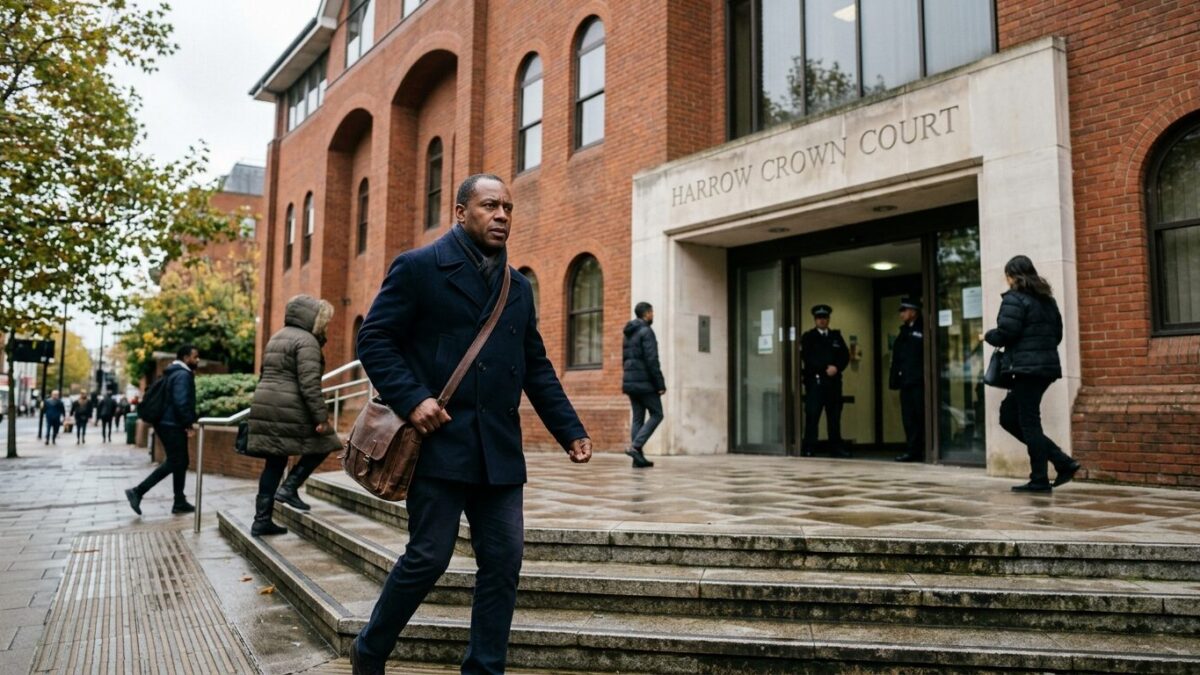
A former chemistry instructor has been found guilty of indecently assaulting two teenage pupils at an all-boys school in north London nearly four decades ago. Sally-Anne Bowen, now 65, taught at Christ's College in Finchley during the late 1980s when the assaults occurred against boys aged 14 to 15, while she was in her mid-20s.
Jurors at Harrow Crown Court returned majority verdicts Thursday after deliberating for six hours and 29 minutes, convicting her on seven counts of indecent assault. Bowen, from Hemel Hempstead in Hertfordshire, displayed no visible reaction as the verdicts were announced.
Pattern of Control and Secrecy
One of the complainants testified he engaged in sexual activity with the teacher approximately 20 to 30 times over the course of several months. He would visit her residence and believed he was in a romantic relationship with her. During testimony, the man—whose identity is legally protected—explained that the teacher had pressured him into silence, convincing him he bore responsibility for protecting her reputation.
"I never, ever spoke to anyone about it," he stated in court. She had deliberately embedded in his thinking that disclosure was forbidden.
The second complainant described being coerced by peers into kissing the teacher at a café, highlighting the social dynamics that allowed the misconduct to flourish undetected within the school community.
Classroom Conduct Raises Questions
A former student, Tobias Oliver, testified during the trial that Bowen presented herself in ways sharply inconsistent with professional teaching standards. He characterized her classroom demeanor as resembling "a Sabrina Carpenter video," suggesting she dressed and carried herself more like a teenage peer than an adult educator, which may have blurred boundaries between student and teacher relationships.
The case underscores persistent vulnerabilities in institutional safeguarding. Bowen's conviction comes decades after the incidents, reflecting the delayed justice many historical abuse survivors experience when coming forward. Her prosecution serves as a reminder that educational institutions remain sites where power imbalances can enable misconduct, particularly when individuals prioritize social alignment with students over professional boundaries.