Kharge urges Modi to keep Lok Sabha at 543 seats for 25 more years amid delimitation row
Congress leader Mallikarjun Kharge has asked Prime Minister Narendra Modi to freeze the Lok Sabha’s current strength at 543 seats for another 25 years, sharp...
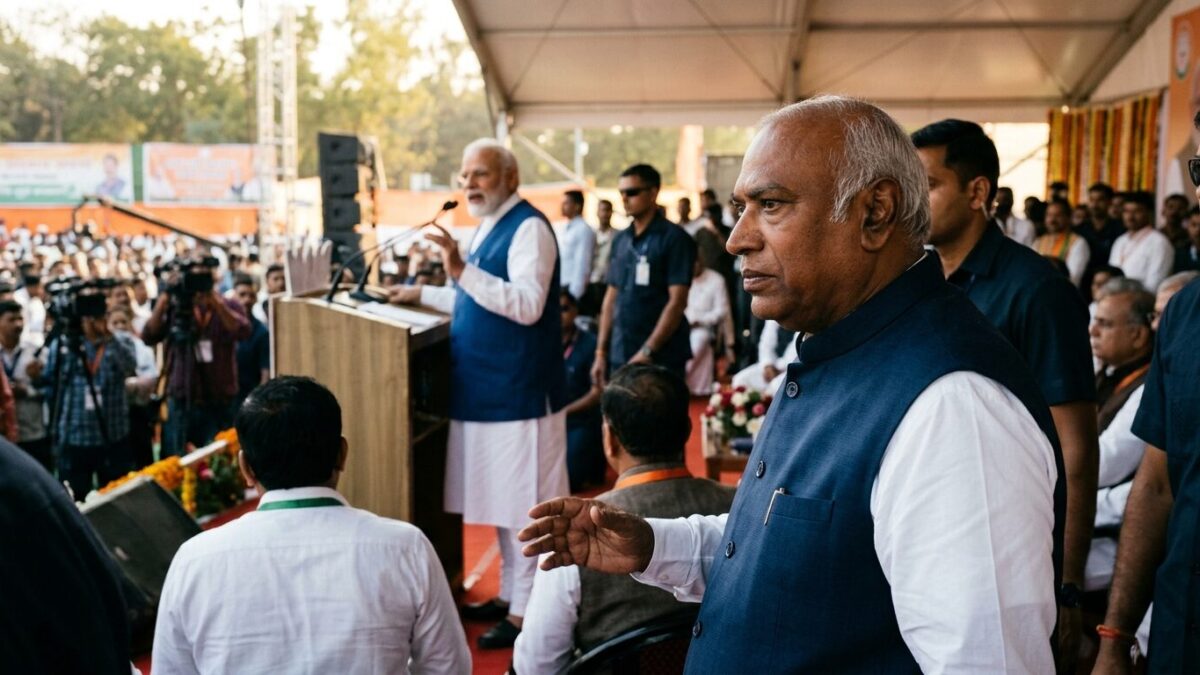
Congress leader Mallikarjun Kharge has asked Prime Minister Narendra Modi to freeze the Lok Sabha’s current strength at 543 seats for another 25 years, sharpening a political argument around the government’s proposed delimitation exercise. In a letter sent on Thursday, the Rajya Sabha opposition leader also pressed for an all-party meeting before any special parliamentary session is called to take up the issue.
Kharge’s intervention comes after the Union parliamentary affairs minister signalled in a television interview that a special session of Parliament could be convened for a delimitation bill. That prospect has raised the stakes quickly. Delimitation decides how seats are redistributed, and in India it can affect not just numbers in Parliament but the balance of political weight between states.
Congress wants current seat map retained
Kharge said the Congress was clear about its line: the Lok Sabha should remain at 543 seats, with the existing state-wise allocation left unchanged for 25 years. He also sought one-third reservation for women from the 2029 Lok Sabha elections, according to the letters and statements cited by Indian media reports.
In his letter, Kharge repeated that he had made the same request to Modi on July 16 and wanted parties and state governments to be given enough time to study the government’s proposals before they are brought to Parliament. He said the plans should be shared with all political parties first, rather than being pushed through in a hurried special session.
“I had last written to you on July 16, 2026, requesting you to convene an All-Party meeting for discussing the Government’s proposals for delimitation,” Kharge said, adding that he had also asked for time for parties to examine the proposals in detail before any special session.
Why the timing matters
The issue has picked up pace because of the possible special session, and Kharge suggested the delay in proroguing the monsoon session may be linked to that plan. He said the minister’s public remarks in the television interview had prompted him to write again.
For states, delimitation is sensitive because a redraw of seats can shift influence across regions. That is why Kharge wants the government to sit down with all parties first. Not after the fact. Before the numbers are set.
The Congress leader said the government should also give state governments adequate time to examine the proposals. He framed the matter as one of national significance, not just a parliamentary technicality. The debate now appears headed toward a broader political contest over representation, timing and the shape of the next phase of electoral reform.
Kharge’s latest letter keeps the pressure on the government to answer one question first: whether it will consult widely before bringing any delimitation proposal to Parliament.