Ratko Mladić, Bosnian Serb commander convicted of genocide, dies in prison at 84
Ć, the Bosnian Serb commander convicted of genocide for his role in the Srebrenica massacre, has died in a prison hospital in The Hague
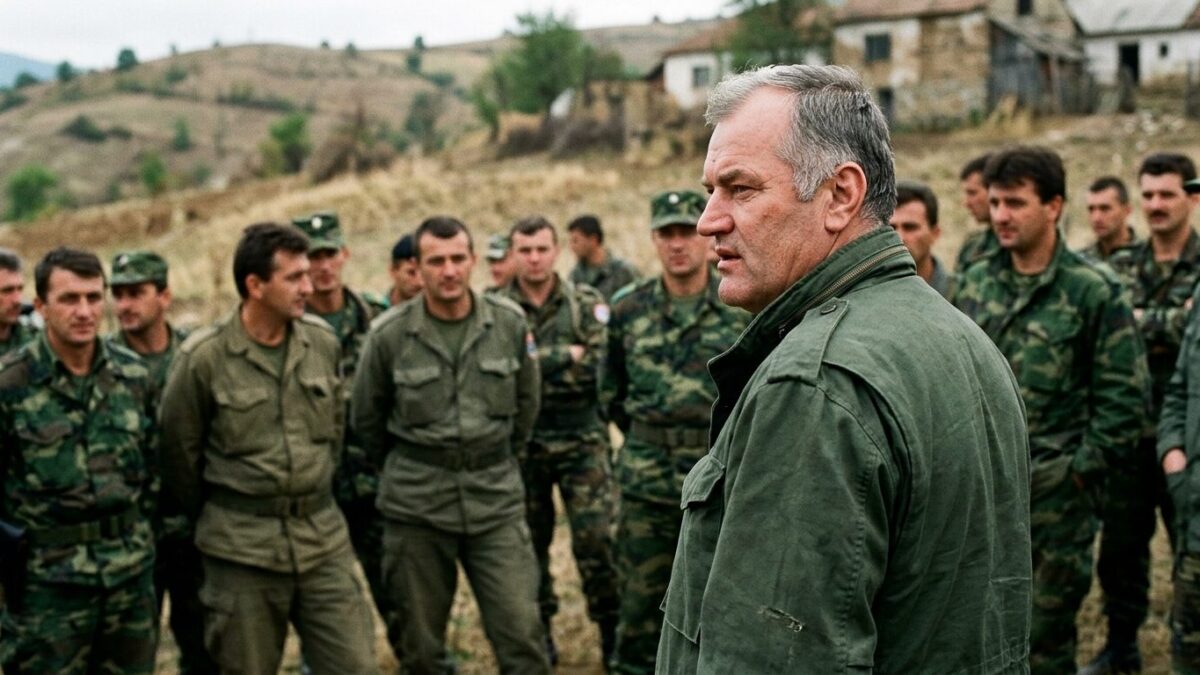
Ratko Mladić, the Bosnian Serb commander convicted of genocide for his role in the Srebrenica massacre, has died in a prison hospital in The Hague at the age of 84. The former general, known for years as the “Butcher of Bosnia,” was serving a life sentence when he died on Thursday, according to a United Nations tribunal official.
The International Residual Mechanism for Criminal Tribunals said Mladić died while hospitalised in The Hague and that Judge Graciela Gatti Santana had ordered a full inquiry into the circumstances of his death. Serbian state broadcaster RTS and Bosnian Serb media had earlier reported his death, and a family member later confirmed the reports to the Associated Press, saying Mladić’s son, Darko Mladić, was travelling to The Hague.
A life sentence that never lifted the weight of Srebrenica
Mladić was one of the main architects of the ethnic cleansing campaign during Bosnia’s 1992-95 war. In 2017, the United Nations war crimes tribunal convicted him of genocide and crimes against humanity, sentencing him to life in prison for orchestrating the 1995 killing of at least 8,000 Muslim men and boys in Srebrenica, then a UN-designated “safe area.” The killings remain the worst massacre in Europe since World War Two.
His conviction was upheld on appeal in 2021. By then, Mladić had already spent years in custody after a long run as a fugitive. He was arrested in 2011, ending 14 years on the run and closing one of the most closely watched manhunts from the wars that followed the break-up of Yugoslavia.
From battlefield command to prison hospital
Mladić had been in poor health and reportedly suffered several strokes before his death. He spent his final years behind bars in the Dutch city that hosts international war crimes proceedings, far from the battlefields where his name became synonymous with atrocities in Bosnia.
His death will not reopen the judgment that followed him for nearly a decade, but it does draw another line under the Bosnian war’s legal reckoning. The tribunal that confirmed his death said only that he had passed away while in hospital and that the judge had ordered an inquiry. The next step is that inquiry — and, for survivors and families of the dead, the unfinished search for accountability still hangs in the air.