Foreign-trained doctors face scrutiny as shortages deepen across health systems
Health systems from England to the United States are grappling with doctor shortages, and that squeeze is forcing a harder look at how overseas training
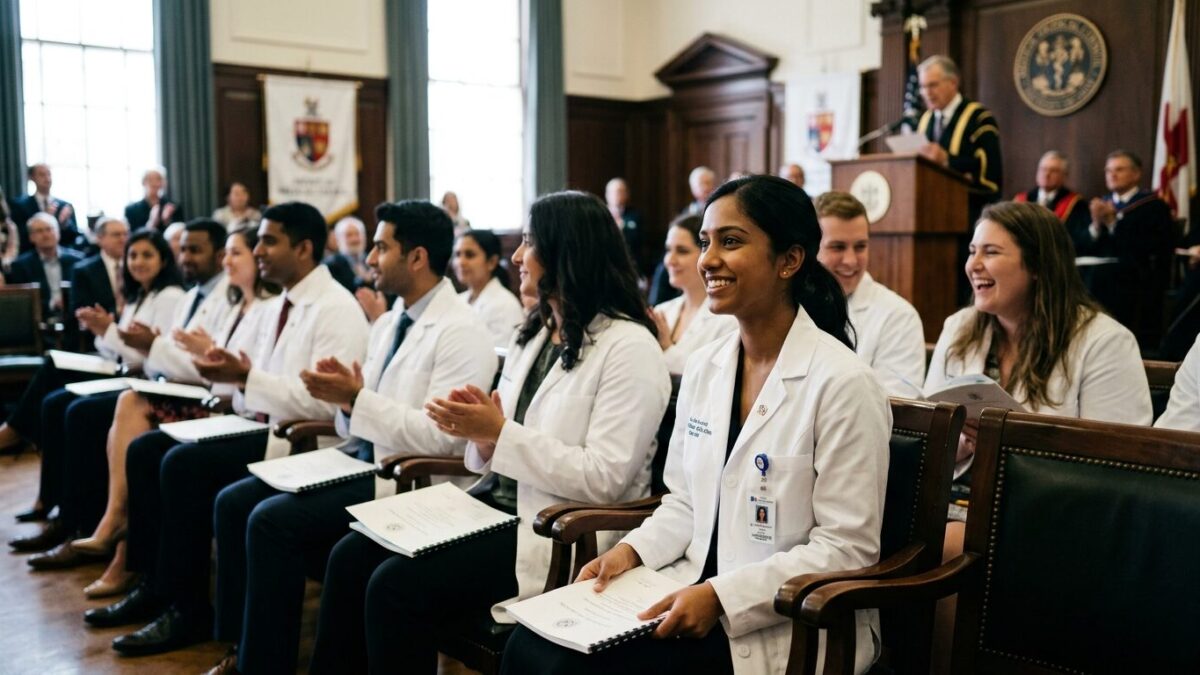
Health systems from England to the United States are grappling with doctor shortages, and that squeeze is forcing a harder look at how overseas training fits into the workforce. In Nigeria, the Medical and Dental Council recently inducted 254 foreign-trained doctors and dentists, while policy researchers in the US say states are still missing chances to tap internationally trained physicians.
Supply pressure is growing
The shortage is not abstract. A recent analysis in the US warned of a critical physician gap already weighing on access and quality of care, with projections pointing to a deficit of up to 86,000 doctors by 2036. That backdrop explains why foreign-trained clinicians have become central to health policy debates in several countries.
In England, resident doctors, who make up nearly half of all doctors in the NHS, have repeatedly walked out over pay and working conditions. The British Medical Association says the dispute has dragged on for years, and resident doctors are preparing another four-day strike. The government has called the union’s demands unrealistic, unaffordable and unsustainable.
Short staffed. Still working.
Why overseas doctors matter
Internationally trained physicians often help fill gaps in emergency rooms, GP surgeries and other strained services, especially where domestic training pipelines cannot keep up with demand. The Niskanen Center has argued that US states should remove barriers that keep these doctors out of practice, saying the country’s shortage is already undermining care for millions.
That argument has broader resonance. Health systems in richer countries increasingly rely on doctors who trained elsewhere, even as licensing rules, visa policies and local credential checks slow their entry. A New York Times report from 2017 also highlighted America’s dependence on foreign medical graduates.
But reliance brings scrutiny. When hospitals and regulators tighten oversight, overseas doctors can face a tougher path to recognition, supervision and full practice rights. In that setting, misconduct cases draw outsized attention because they can shape public trust far beyond a single clinic or ward.
Different countries, same tension
Nigeria’s latest induction of 254 foreign-trained doctors and dentists shows another side of the story: countries are also bringing in or recognising training from abroad to expand the workforce. For patients, the question is less about where a doctor studied than whether the system can safely move them into care fast enough.
For governments, the challenge is balancing access and accountability. Open the door too slowly, and vacancies pile up. Open it too widely, and regulators worry about standards. That tension is likely to sharpen as ageing populations, service backlogs and strike pressures keep stretching health systems.
The next test will be whether regulators and ministries move faster on recognition rules, training pathways and supervision standards — or keep letting shortages do the forcing for them.