Smart glasses face privacy pushback as venues and councils tighten the rules
Glasses are running into a privacy crackdown in Australia and the UK, as local authorities and venue operators move to stop people from quietly
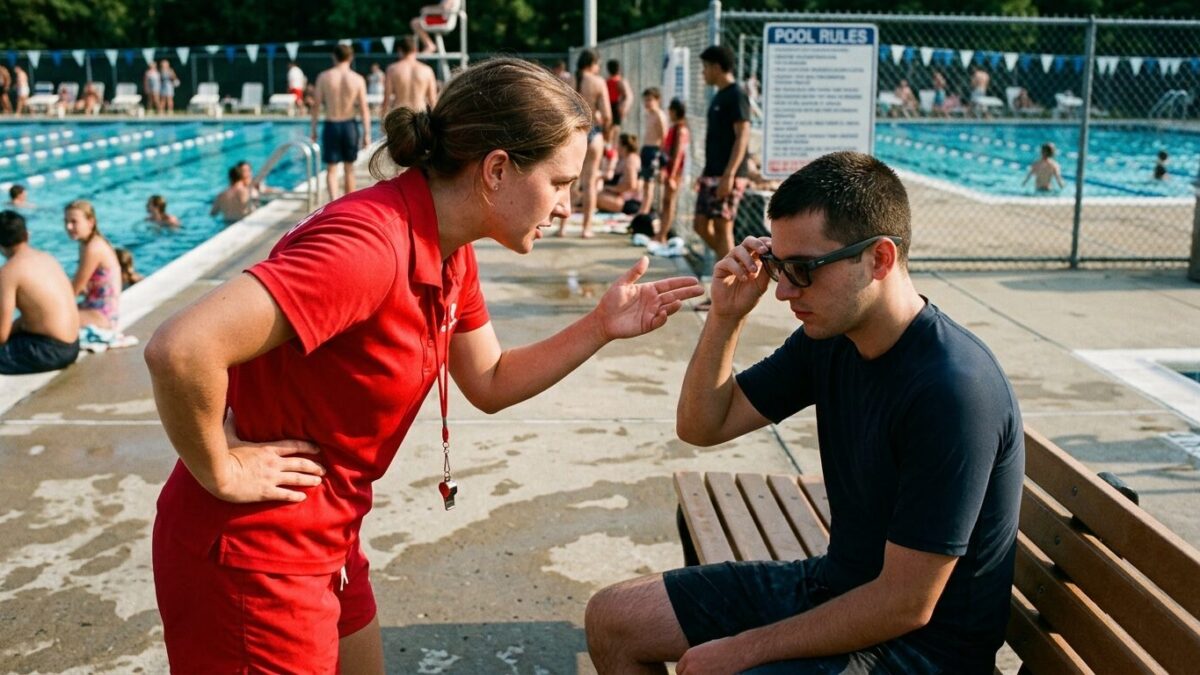
Smart glasses are running into a privacy crackdown in Australia and the UK, as local authorities and venue operators move to stop people from quietly filming others without consent. In Brisbane, lifeguards at 21 public swimming pools will soon be able to remove wearers of smart glasses who record or photograph other pool users. In Britain, major hospitality and entertainment venues are restricting or banning Meta smart glasses altogether.
The pushback reflects a basic problem that has followed camera-equipped wearables from the start: they make recording easy, small and hard to spot. That has unsettled pool managers, club owners and other operators who say guests and staff should know when they are being filmed.
Brisbane pools move first
Brisbane City Council says its new policy will let lifeguards eject smart glasses wearers from pool areas if they film or photograph others without permission. The rule covers phones and other devices too, but the council’s focus on smart glasses marks one of the clearest local responses yet to the spread of AI wearables.
Lord Mayor Adrian Schrinner said the council wanted everyone using the pools to know they were not being secretly recorded by other visitors. The policy is due to take effect within weeks.
People sanctioned under the rule will not face criminal charges, and the council cannot force them to delete footage they have already captured. Even so, the policy gives staff a direct way to act when someone is suspected of covert recording.
Venues in Britain draw a line
Across the UK, the resistance is broader. Venue operators, including major pub chains and high-end London dining rooms, are changing house rules to bar Meta smart glasses on their premises. Wetherspoons, which operates 800 locations in England and Ireland, is among the largest chains enforcing the restriction.
Tim Martin, the chain’s founder, has said the devices break the usual code against filming customers and employees without permission. Proprietors across the sector cite the same concern: camera-equipped eyewear can turn a normal night out into a hidden recording session.
The ban drive shows how quickly hospitality rules are adapting to the new hardware. What once looked like a niche gadget for hands-free photos now sits at the center of a wider fight over privacy in public and semi-public spaces.
Meta adds technical controls
The industry response is not limited to venue bans. Meta has also rolled out a firmware fix for its Ray-Ban Meta glasses and other Meta wearables that stops recording if the capture light is covered during use. The company had already required the white LED to stay visible when recording starts, but critics said that left a gap that could be exploited by covering the light after a clip began.
Meta vice-president Alex Himel said on Threads that the camera will now stop working if the light is covered during a recording. The update also targets attempts to bypass the system through modification services that disabled the LED, adding another layer of protection.
That matters because the debate is no longer theoretical. A survey in Australia last year found 17% of more than 1,000 adults admitted to using smart glasses. As the devices spread, councils and venues are testing where the line should sit — and whether a tiny camera on a face can ever feel ordinary in a crowded room.