Teenager’s Wrong Bus Stop in Delhi Downpour Leads to Alleged Gang Rape Over 47-Kilometer Route
A 16-year-old from Uttar Pradesh boarded what she thought was a lifeline during a monsoon downpour—a nearly empty sleeper bus that stopped when she flagged
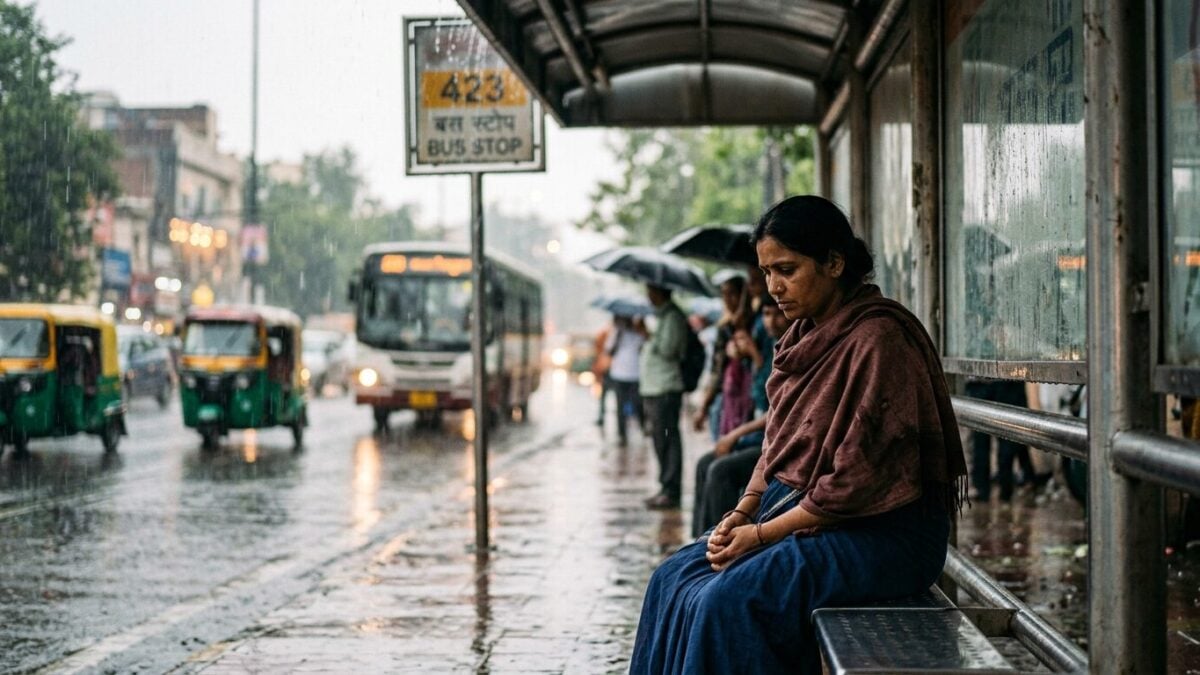
A 16-year-old from Uttar Pradesh boarded what she thought was a lifeline during a monsoon downpour—a nearly empty sleeper bus that stopped when she flagged it down. Hours later, she was left abandoned on a Delhi roadside after allegedly being raped by two men operating the vehicle. Police arrested the driver and conductor on Monday in connection with the incident, which unfolded on the night of August 4.
The teenager had left her home in Mainpuri district following a family dispute, intending to reach her cousin's place in Noida. Heavy rain and darkness caused her to exit at the wrong station—Pari Chowk—where she became stranded. When the sleeper bus pulled up, the driver and conductor offered her a ride, claiming the vehicle was heading toward Noida Sector 63.
How the Assault Unfolded
Once the bus began moving, the conductor allegedly initiated inappropriate contact with the teenager. She claimed that both men then committed the assault, threatening to kill her if she resisted. The bus's design—compartments with drawn curtains around individual berths—provided both privacy and concealment as the vehicle continued its route.
The nightmare stretched across nearly 47 kilometers. The girl was eventually abandoned near Kashmere Gate, an area in central Delhi, where authorities later found her.
Systemic Vulnerabilities in Transport
The case exposes risks within India's long-haul bus system, where sleeper compartments offer minimal visibility and oversight. Operators frequently run routes during late-night hours when monitoring is sparse. The combination of isolated passengers, enclosed spaces, and insufficient safety protocols creates conditions where predatory conduct can occur with limited immediate intervention.
Delhi has recorded multiple high-profile sexual assault cases on public transport over the past decade, drawing international scrutiny and sparking repeated calls for better driver vetting, surveillance systems, and emergency communication tools inside vehicles. Yet implementation of such safeguards remains inconsistent across the industry.
Police have registered charges against the two suspects. The teenager's case now enters investigation and prosecution—a process that typically moves slowly through India's overburdened criminal courts.