Trump Administration Revives Plan to End Work Permits for H-1B Spouses, a Move That Could Hit Indian Families Hardest
The Trump administration is moving again to strip work authorization from some spouses of H-1B visa holders, a step that could force an unknown number
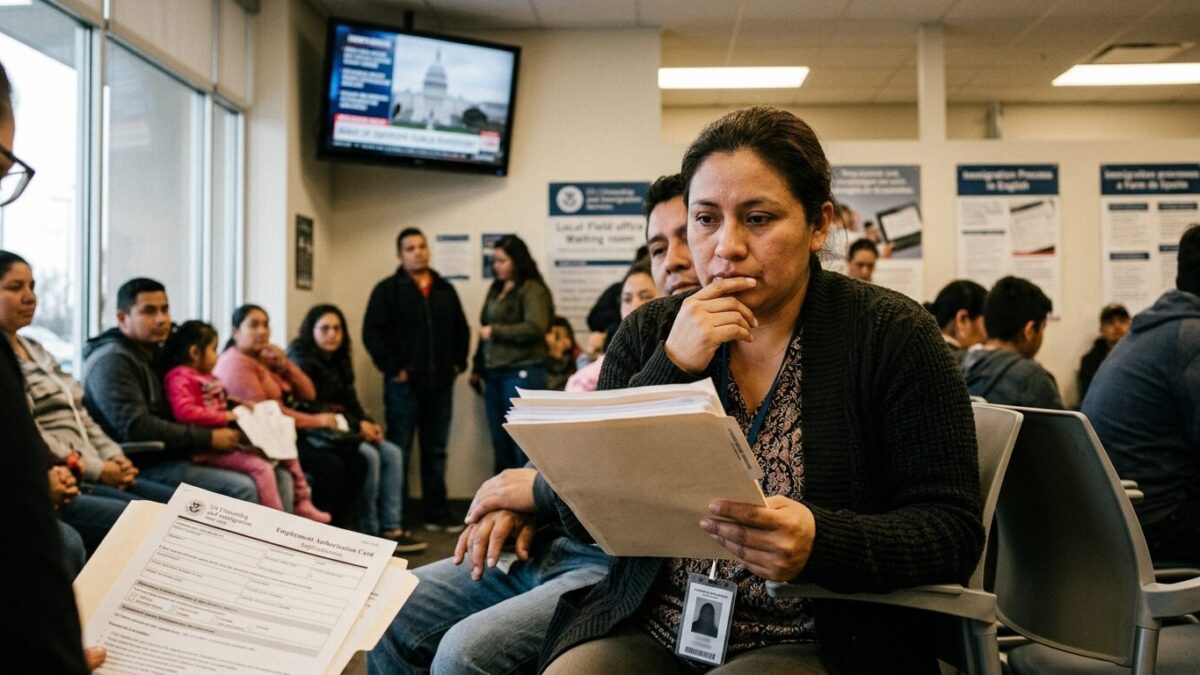
The Trump administration is moving again to strip work authorization from some spouses of H-1B visa holders, a step that could force an unknown number of people out of jobs and complicate hiring for US tech companies. The proposed rule would reverse a 2015 policy that let eligible H-4 spouses work while their H-1B partners pursued employment-based green cards.
The change, now listed on the federal regulatory agenda and under review by the Office of Information and Regulatory Affairs, would not take effect overnight. Experts say implementation would still take several months if the administration pushes ahead.
Silicon Valley could feel the squeeze
For Bay Area employers, the stakes are immediate. Tech companies in Silicon Valley have long leaned on foreign talent, and the loss of work authorization for spouses could make it harder to recruit and keep skilled workers.
“Many techies are married, so they have to make plans for their spouses and for their family,” Russell Hancock, chief executive of a think tank, said in remarks cited by the Mercury News.
The rule would target H-4 visa holders, the spouses of H-1B workers. The National Foundation for American Policy, which backs the H-1B program, estimates that about 230,000 H-4 visa holders now have work authorization across the US. Federal data do not show how many live in California or the Bay Area.
Indian families likely to bear the brunt
Indian nationals are expected to be hit hardest. A large share of H-4 employment authorisation has gone to Indian spouses, according to reporting cited by Indian outlets. India Today said data from 2014 to 2017 showed 93% of H-4 EAD applications came from Indian nationals, and 94% of those applicants were women.
That matters because many Indian H-1B workers in the US have spouses who built careers after arriving on dependent visas. For some households, a second income helps cover rent, childcare and the cost of settling in expensive metro areas. Lose the permit, and the balance changes fast. Very fast.
The administration tried the same restriction during Trump’s first term but did not finish it before Joe Biden took office. This time, the proposal has reappeared on the regulatory agenda, reopening a fight that has shaped the lives of hundreds of thousands of foreign-born families and the hiring plans of US employers. What comes next will depend on how quickly the federal review moves and whether the administration chooses to keep pressing the rule forward.