Modi warns SCO against using terror as a state tool as Pakistan takes rotating chair
Indian Prime Minister Narendra Modi used the Shanghai Cooperation Organisation summit on Tuesday to warn against treating terrorism as a tool of state policy...
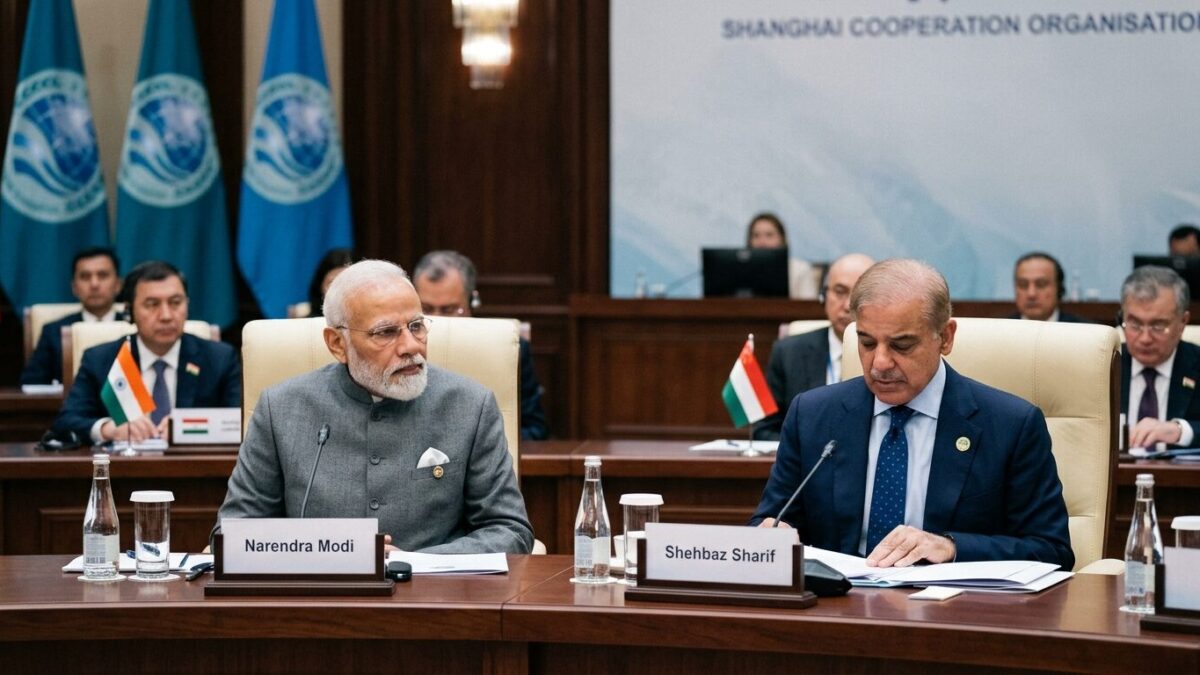
Indian Prime Minister Narendra Modi used the Shanghai Cooperation Organisation summit on Tuesday to warn against treating terrorism as a tool of state policy, delivering a pointed message with Pakistan Prime Minister Shehbaz Sharif in the room. The warning came on a day Pakistan assumed the SCO’s rotating chairmanship from Kyrgyzstan and will host next year’s summit.
Modi framed security as the basic شرط — the starting point — for any real regional progress. Countries that shelter or back militants, he said in effect, must hear a clear message that terror can never be a strategic asset. Strong words. And deliberate.
A sharp line on terror
The Indian leader’s remarks landed squarely against Pakistan, where New Delhi has long accused the state of supporting militant activity across the border. Modi did not name Pakistan in the line he drew, but the target was hard to miss. With Sharif present, the message carried extra weight.
He also warned against double standards on terrorism, a theme India has pressed at multilateral forums for years. For Modi, the issue was not abstract diplomacy. It was a condition for stability, trade and wider cooperation in a region often pulled apart by mistrust.
Security, connectivity, opportunity
Modi also used the summit to restate India’s SCO vision: Security, Connectivity and Opportunity. He had first articulated the framework in Tianjin last year, and on Tuesday he returned to it as a way of linking counterterrorism to broader regional goals.
The connectivity part came with a familiar caveat. India, he said, insists that all such projects must respect sovereignty and territorial integrity of all states. That, he said, reflects the “fundamental spirit” of the SCO. The point matters because connectivity corridors in Eurasia have often become political battlegrounds, not just economic ones.
With Chinese President Xi Jinping also present, the summit brought together leaders whose ties are shaped by both cooperation and rivalry. Modi’s brief exchanges with Xi and Russian President Vladimir Putin were warm enough to draw attention, but the sharper message was reserved for the plenary hall. No ambiguity there.
Pakistan’s new role as SCO chair now puts it in line to host heads of state next year, when Modi is expected to be invited along with other leaders. That prospect adds another layer of tension to the coming year, especially if India keeps pressing its demands on terrorism and sovereignty while Pakistan tries to use the chair to project regional credibility.
For now, the summit has made one thing clear: the SCO’s talk of connectivity and cooperation will keep running into the hard politics of security. The next test comes when Pakistan starts shaping the agenda.