Burnham Faces PMQs Heat as Westminster Catches Up With His Sudden Rise
Andy Burnham’s first Prime Minister’s Questions landed on Wednesday with a jolt. After six weeks in office, the new prime minister was finally under the
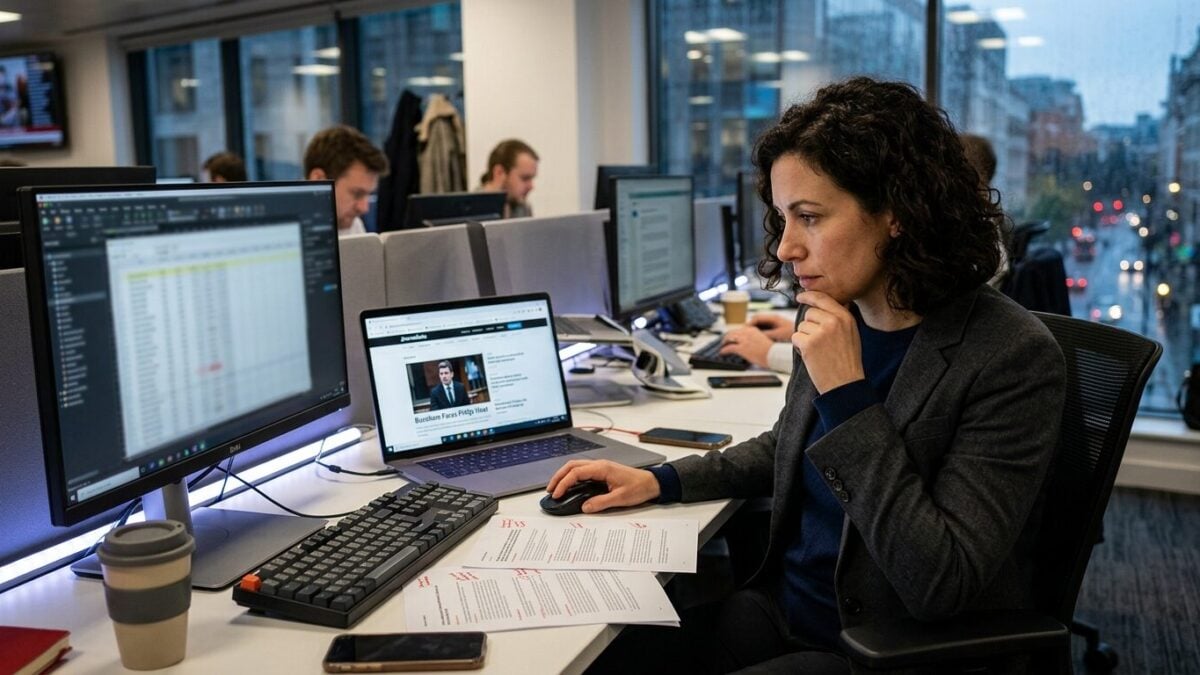
Andy Burnham’s first Prime Minister’s Questions landed on Wednesday with a jolt. After six weeks in office, the new prime minister was finally under the full glare of Westminster scrutiny, and the chamber’s weekly half-hour of verbal combat was waiting for him.
For a leader who took office while MPs were away for the summer, the timing made the encounter feel less like a debut than a backlog. Burnham had already gone through three and a half hours of questions in the Commons on Tuesday afternoon, so the noisy ritual at PMQs looked, on this evidence, like only the latest test in a crowded week.
A Westminster ritual with real bite
PMQs sits at the centre of Parliament’s public image. It is compact, theatrical and often brutal. Sir Tony Blair once described it as the most nerve-wracking, discombobulating and terror-inspiring part of his time in office, and Burnham has now stepped into that same arena.
The difference is that he has arrived late to the drill. Normally, a new prime minister faces this sort of scrutiny almost immediately. Burnham’s summer start meant a longer period of relative calm, with heatwaves outside and Commons questions absent. That calm has gone now. The questions are arriving all at once.
That matters because political authority in Westminster is rarely tested in grand speeches alone. It is tested in short, sharp exchanges, when opponents probe weaknesses and the government has to look composed under pressure. Burnham’s first turn at the dispatch box was one of those moments.
Fiscal pressure and an early challenge
The first PMQs of his premiership came against a difficult economic backdrop. UK borrowing costs have risen sharply, and the yield on a 10-year government bond has reached its highest level since 2008. Conservative leader Kemi Badenoch used the moment to press Burnham on where spending cuts would fall and how he would handle rising debt.
Burnham answered by stressing restraint. He said his government would be “grounded in fiscal responsibility” and would stick to the fiscal rules, while also trying to ease cost-of-living pressure on households. He blamed the previous Tory government for the “turbulence on global markets” and the exposure left behind.
The exchange set the tone early. This is not just about one afternoon in the Commons. It is about how Burnham wants to be seen: as a leader who can promise discipline on the numbers while still claiming space for bigger political change.
Power shifting fast in Labour
Burnham’s rise has moved quickly. Westminster insiders now see him as the most likely successor to Sir Keir Starmer, after Starmer set out a timetable for his departure and Wes Streeting endorsed Burnham. The reshaping of power in Labour is happening in public, and fast.
That speed has helped explain the sense of catch-up around his premiership. Burnham has already started sketching out a broader vision, promising to “lift Britain back up to where it should be” and to give the country “the circuit breaker it needs”. His team says more detail will follow, including a plan to shift power away from Whitehall and toward politicians beyond Westminster.
For now, though, the immediate test is simpler. Can he sound steady under pressure? PMQs will answer that every week.
And if Blair was right about the emotional cost of the job, Burnham has only just started to find out.