Spring Day water celebrations spark backlash after assaults, vandalism and a fatal stabbing in South Africa
South Africans are pushing back hard after this year’s Spring Day celebrations spilled into harassment, assault and damage to public transport, turning a lig...
South Africans are pushing back hard after this year’s Spring Day celebrations spilled into harassment, assault and damage to public transport, turning a light seasonal custom into a public safety concern. The backlash has spread across social media after videos showed people being targeted with water on September 1, including motorists, a delivery driver and an elderly man.
What is usually a playful way to mark the end of winter has, in some places, taken on a rougher edge. People not taking part in the tradition were splashed anyway. In one clip, motorists were pulled from vehicles or had water thrown into cars. In another, a delivery driver was hit with water while on the road. A separate video showed an elderly man being physically assaulted by a group of young people after water was splashed on him.
Outrage grows online
Social media users described the scenes as bullying, humiliation and dehumanising. Calls have grown to restrict the September 1 celebrations, with critics saying the day has drifted far from a harmless welcome to spring. The anger is not only about etiquette. It is about consent, safety and the message sent when strangers are treated as fair game.
The debate has sharp global echoes. Around the world, public festivals and street traditions often run into the same problem: once participation becomes forced, the line between community fun and abuse gets crossed fast. That tension is now at the heart of the South African outrage.
Violence and damage
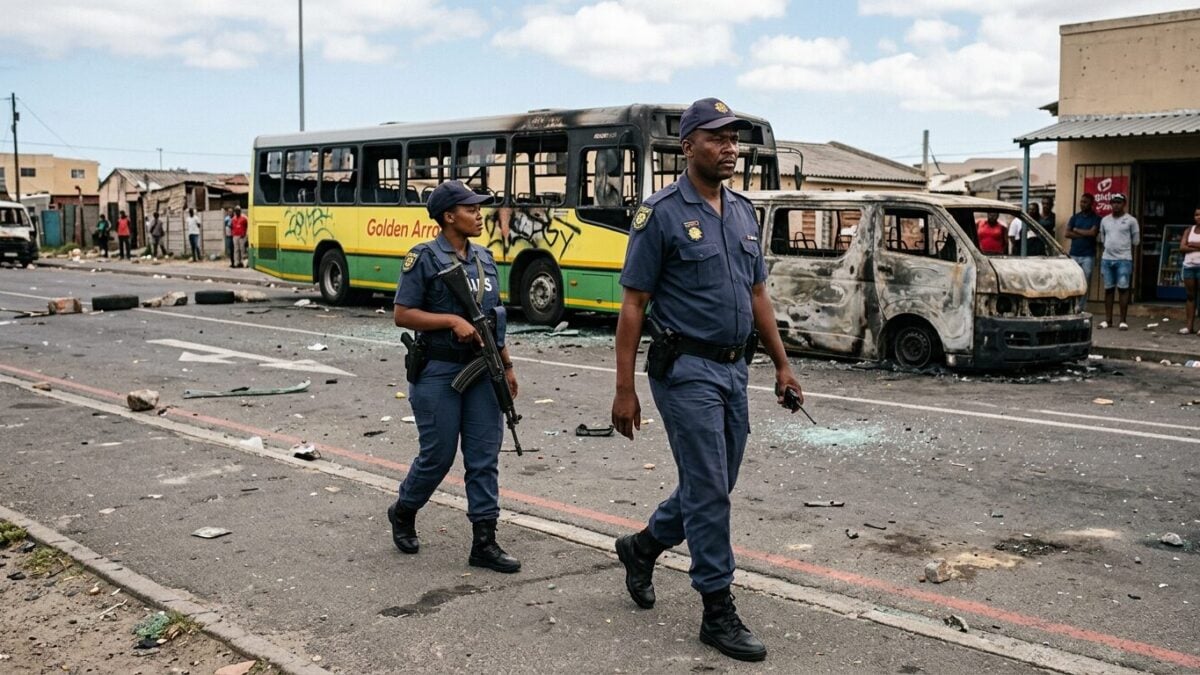
The celebrations also turned deadly. Tshepang Nyathi, 21, was fatally stabbed in Refilwe, Cullinan, after allegedly splashing water on a 53-year-old man. Two Tshwane bus service buses were damaged during the festivities in Lotus Gardens and Danville.
The City of Tshwane has condemned the behaviour, warning that the damage and violence cannot be brushed off as mischief. The council’s response underlines a growing fear among residents: what began as seasonal play can quickly become a trigger for real harm, especially when crowds turn on people who want no part in it.
Why the backlash matters
For many residents, the issue now goes beyond one day on the calendar. The videos have revived questions about where celebration ends and intimidation begins, and who is left to bear the cost when a tradition loses control. Vulnerable people, including older residents and workers on the move, appear to be the most exposed.
The latest outrage has also put pressure on local authorities to respond before the next round of celebrations. For now, the most striking image is not of spring arriving, but of a 21-year-old dead, buses damaged and a public mood turned sharply against a custom that many no longer see as harmless.