Belgium’s leader says Europe ignored India’s warning on economic dependence — and is listening now
Belgian Prime Minister Bart De Wever said on Friday that Europe is paying for years of complacency over economic dependence, and that Indian Prime Minister
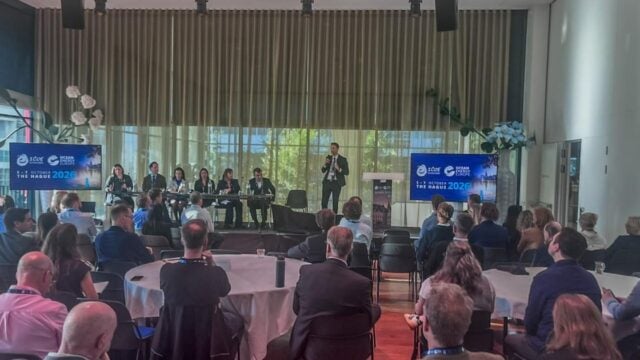
Belgian Prime Minister Bart De Wever said on Friday that Europe is paying for years of complacency over economic dependence, and that Indian Prime Minister Narendra Modi had warned about the danger long before European leaders took it seriously. Speaking in New Delhi at a Confederation of Indian Industry event, De Wever said the continent was waking up “a bit late.”
The message lands at a sensitive moment for Europe. Brussels and several national capitals have been reassessing supply-chain exposure, industrial weakness and trade vulnerability as major powers increasingly use commerce as leverage. De Wever did not name China directly, but his references to dumping, overcapacity and a “neighbour you all know” left little doubt about the target.
“We are listening now”
De Wever was on a two-day visit to India aimed at deepening cooperation in trade, investment, technology and strategic affairs. He told the audience that Europe had failed to act when India first raised alarms about dependence becoming weaponised.
“We do not like dependencies becoming weaponised against us,” he said. “You have lived this history. Your Prime Minister warned Europe about this long time ago already. But he was ignored. He wasn’t listened to. We are listening now.”
Short. Direct. And awkward for Europe.
He added that Europe was now having the right debates about which partners it could trust in a world where large economies are pulling in different directions. For him, India belongs near the top of that list.
Why India matters to Europe now
The Belgian leader said India was the most important partner for Europe among countries that believe in multilateralism and in cooperation built on “respect and not force.” That framing matters because Europe is searching for steadier partners as it navigates trade pressure and strategic uncertainty.
India, for its part, has spent years arguing that diversification is not optional. New Delhi has pushed ties with Europe across technology, defence and supply chains, while also seeking a bigger role in projects linking Asia and Europe. Italy has already emerged as a useful European partner for India in this broader effort, with both sides discussing trade, ports, defence and the India-Middle East-Europe Economic Corridor.
De Wever’s remarks suggest Belgium sees room to join that wider shift.
A late reckoning
European leaders have increasingly acknowledged the risks of excessive dependence on any single market, supplier or industrial base. De Wever described the current debate as a “rude awakening,” saying Europe had allowed foreign overcapacity to flood its markets below cost while its own industrial base was weakened.
He said that imbalance had left Europe exposed to leverage. India, he said, had spotted the problem earlier.
And Europe missed it.
The visit also points to a broader recalibration in India-Europe relations. As trade tensions rise and strategic alliances shift, both sides are looking for partners who can offer reliability rather than pressure. De Wever’s public praise of India’s early warning is likely to be read in Delhi as more than diplomacy. It is a sign that Europe wants a closer seat at India’s table.
“India saw this earlier than we did,” De Wever said. “And they warned us, and we didn’t listen. But we are drawing our conclusions now.”