British Army ordered to curb drills as budget pressure bites
The British Army has been told to scale back non-essential training exercises as financial pressure builds on the force, a move that could leave some
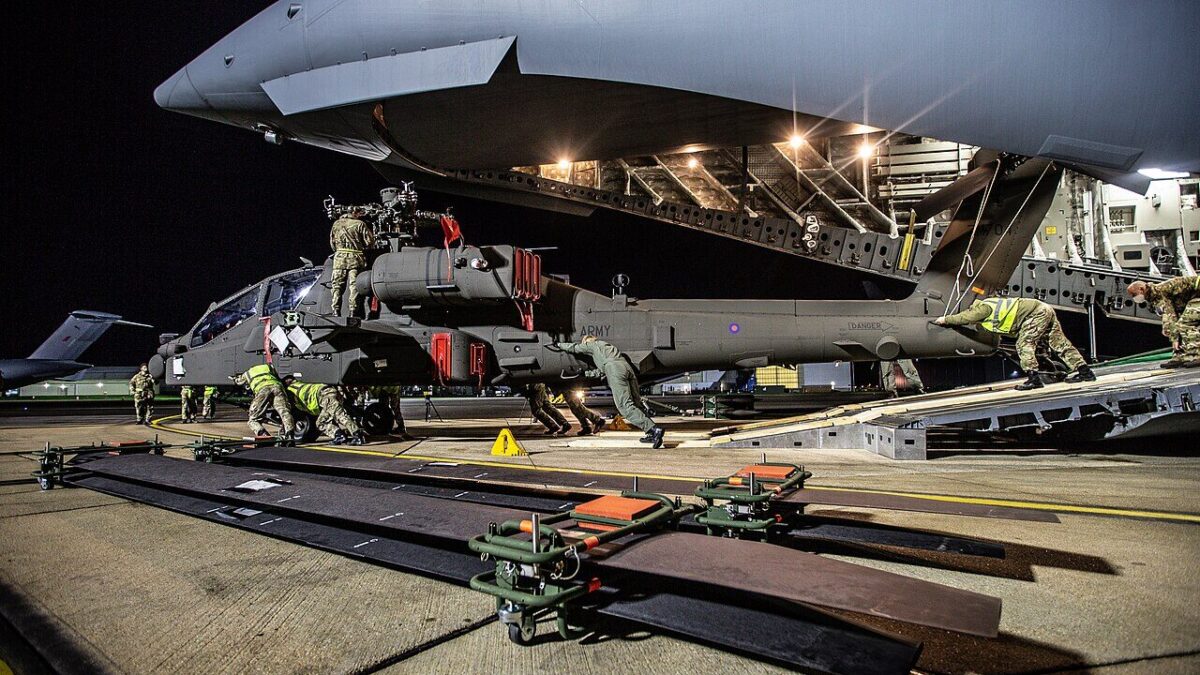
The British Army has been told to scale back non-essential training exercises as financial pressure builds on the force, a move that could leave some units at home with fewer large-scale drills. Soldiers heading for deployments will still train as planned, but units in the UK with no immediate mission have been ordered to cut back.
Deployments spared
A defence source said the army will keep training troops preparing for operations or already on deployments, including units sent to Estonia, the Falklands and Cyprus. The cuts instead hit collective training for formations in Britain that are not tied to a specific posting.
That means fewer of the big exercises that test whole units together. Think live-fire drills. Rehearsed platoon attacks. The sort of work that fills training areas such as Salisbury Plain in Wiltshire and Sennybridge in Wales.
Exercises dropped
According to the reports, some planned events have already been cancelled. One involved the Royal Tank Regiment conducting live-fire drills in Wales. Another was set to bring together tanks and Apache helicopters.
The defence source said the changes amount to skipping what he called “nice to have training”. It was not the army’s own choice, the source added. That matters. Army training is usually built around repeating complex battlefield tasks until units can move, shoot and communicate as one.
Without that rhythm, commanders worry the force can lose edge. Not overnight. But enough to sting.
Pressure over spending
The move lands as Prime Minister Andy Burnham faces pressure to raise defence spending. The government is increasing military spending to 2.5% of national income by next year, but is facing growing calls to reach 3% by the end of the decade.
That debate is not unique to Britain. Across Europe, governments are trying to balance higher defence bills with tight public finances, while still meeting commitments to NATO and other allies. Training often sits in the crossfire because it is visible, expensive and easier to trim than deployed operations. But the savings can come with risk.
The Times reported that the measures could save about £30 million. Defence officials, it said, fear the cuts could weaken how Britain is viewed by its enemies. One military source went further, calling the decision “absolutely devastating”.
Armies train for a reason. And right now, Britain’s is being asked to do less of it.