Retiring Australian Liberal MP takes aim at party factionalists as moderates fade
SYDNEY — James Griffin, the outgoing Liberal MP for Manly, has lashed out at factional operatives he says care more about internal games than winning
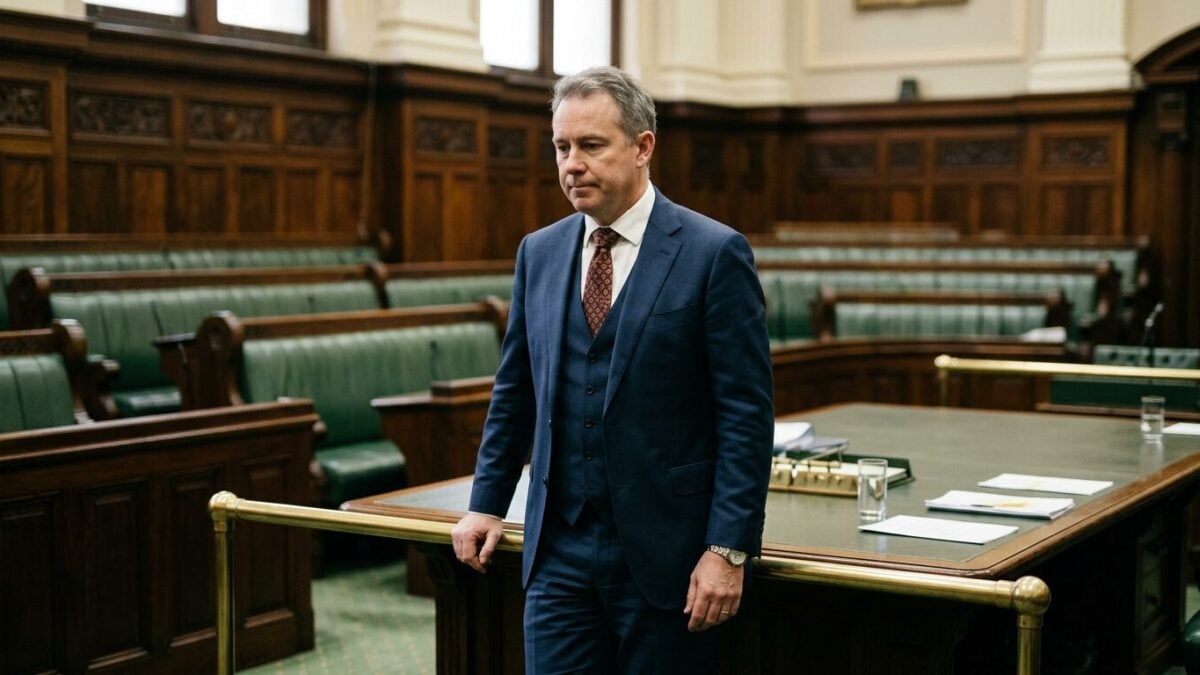
SYDNEY — James Griffin, the outgoing Liberal MP for Manly, has lashed out at factional operatives he says care more about internal games than winning office, as the party’s moderate wing continues to shrink in New South Wales politics. The 42-year-old, who is retiring after nearly a decade in state parliament, said those without conviction in the party’s values should leave.
“If they’re not here with a conviction for the values of the party, then they should go and play the game somewhere else,” Griffin said. “We’re here to serve the public good. And if you’re not here to do that, then there’s the door.”
A parting shot from a former rising star
Griffin entered parliament in 2017, replacing former New South Wales premier Mike Baird, and was once talked about as a possible future premier himself. Known on Macquarie Street and in his Manly electorate as a mild-mannered “happy warrior,” he said the demands of the job, the grind of opposition and the constant manoeuvring by factional players had worn him down.
His comments land at a sensitive time for the NSW Liberals, who have been wrestling with questions over identity, direction and the role of moderates in a party increasingly pulled by more conservative forces. Griffin’s frustration is not just personal. It speaks to a wider anxiety inside centre-right parties around the world, where internal discipline can collide with electoral pragmatism.
Corruption inquiry deepens the unease
Griffin has also been following the Independent Commission Against Corruption’s Operation Rosny inquiry closely, and is said to be appalled by a cluster of conservative Christian party operators linked to the fallout. The inquiry has sharpened tensions inside the party and widened the debate over who gets to define Liberal values.
That matters beyond Sydney. Across democracies, mainstream conservative parties have faced similar strains as moderates lose ground to organised factions, ideological activists and social conservatives. When those battles spill into public view, they can leave voters seeing a party absorbed by itself rather than the problems outside its doors.
For Griffin, the message is blunt. The Liberals, he says, exist to serve the public good — and those who do not share that aim should not expect a free run inside the tent.