One Nation rides voter anger as Australia’s major parties struggle to reassure a restless electorate
Is gaining traction in Australia as anger over falling living standards, higher interest rates and weaker house prices pushes more voters away from
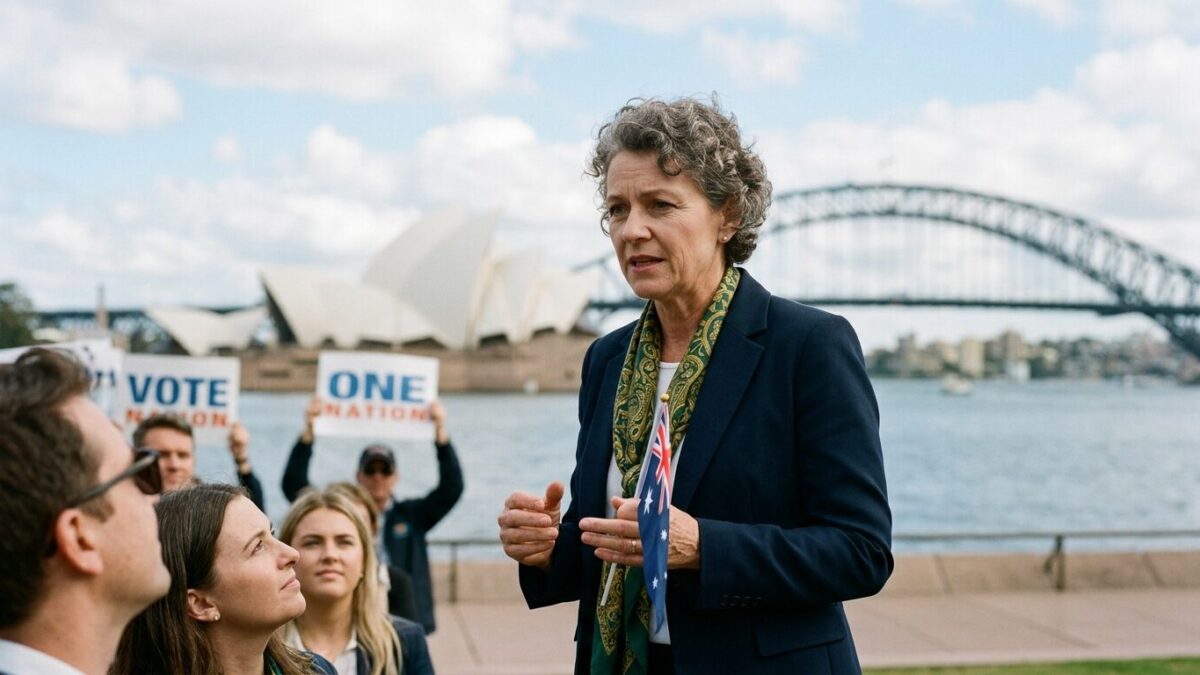
One Nation is gaining traction in Australia as anger over falling living standards, higher interest rates and weaker house prices pushes more voters away from the major parties. Pauline Hanson’s party is drawing support from an electorate that looks increasingly fed up with both Labor and the Coalition.
The surge comes as Prime Minister Anthony Albanese faces criticism for failing to offer clear reassurance, while opposition figures are also struggling to connect. That leaves a political opening for One Nation, which has long thrived on frustration with Canberra but is now benefiting from a broader sense that neither side is delivering answers.
Discontent is doing the work
The pressure points are plain enough. Real wages and disposable income have been sliding, productivity has weakened, interest rates remain high and house prices are now falling. For many voters, the result is a sense of squeeze without relief. The anger is no longer confined to one issue or one side of politics. It is spreading.
Commentary in Australian media this month has framed Albanese as a leader whose instincts lie more in factional management than policy persuasion. That matters when households are under strain. Voters want confidence. They want a plan that feels real. Instead, the mood in parts of the electorate is turning sharply against both big parties.
One Nation’s appeal is also being fed by distrust of political institutions and a growing appetite for blunt messaging. In that climate, Hanson’s hard-edged style lands more easily than the more careful language used by the major parties. For supporters, that is the point. For critics, it is part of the problem.
Labor’s edge is not the story anymore
Labor still enters the next federal contest with a large seat majority, and some analysts argue that should keep it favoured. The conservative vote is split, after all, between the Coalition, teal independents and One Nation. That arithmetic gives Albanese room. But it does not erase the politics.
Polling cited in Australian reporting shows One Nation drawing unusually strong support among millennials, while Labor remains stronger among Gen Z voters. That split suggests the party’s message is resonating with a cohort facing housing pressure, stagnant pay and a general sense that the old political bargains no longer work. Younger voters are not moving in one direction only. They are sorting themselves in different ways.
There are regional and state-level signals too. A recent by-election in the West Australian seat of Secret Harbour brought a large swing against Labor, with One Nation winning decisively. For party strategists, that result matters less as a lone seat than as a warning sign. The discontent is not abstract. It has numbers attached to it.
One Nation’s rise has also prompted warnings from its opponents, who argue that the party’s growing profile should not be normalised. Hanson, meanwhile, has been cast by her defenders as the sharper political performer in the right-wing field, outshining a Coalition still searching for momentum. The bigger problem for both major parties is simpler: a frustrated electorate has started to vote like it is sending a message.
And that message is getting louder. In one recent survey cited by Australian media, 31 per cent of respondents said they would back One Nation, ahead of Labor on 28 per cent.