El Niño Poised to Become Strongest Climate Event in Seven Decades
The UN warns of extreme weather as El Niño nears its strongest level in 70 years. Indonesia's BMKG urges urgent mitigation against drought and wildfires.
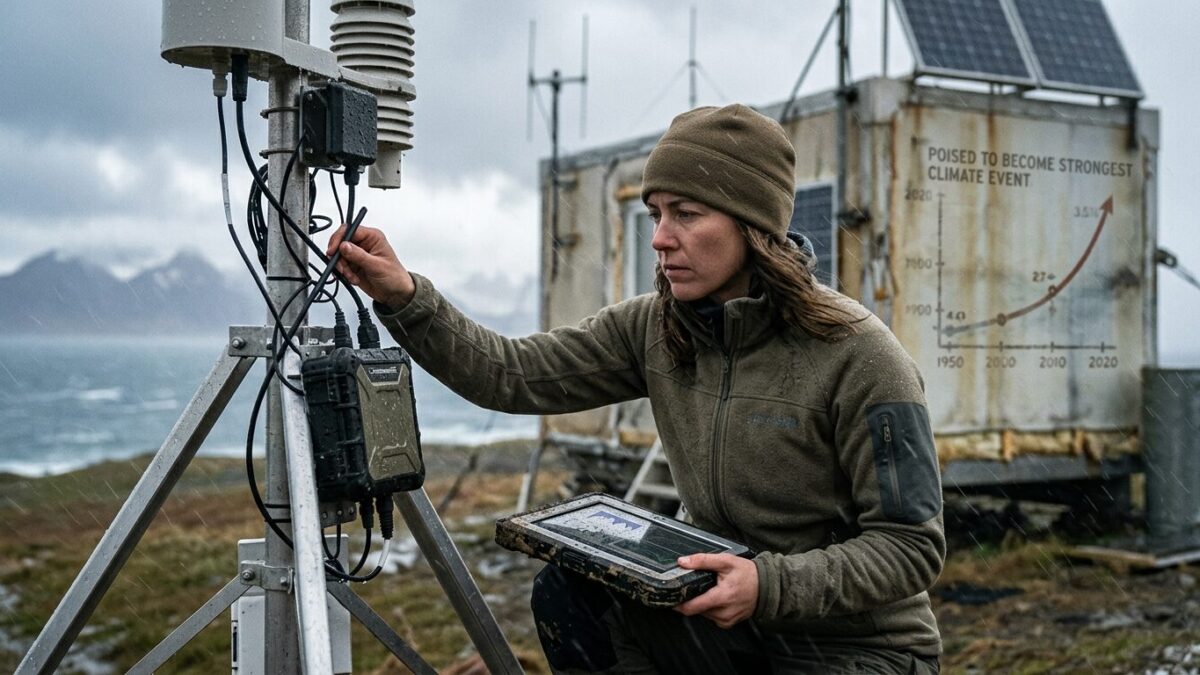
GENEVA — Global weather patterns are entering a period of profound uncertainty as El Niño conditions intensify, with international climate agencies warning the phenomenon could emerge as the most significant event of its kind in more than 70 years. United Nations Secretary-General António Guterres declared that the world has entered a “danger zone of extreme weather,” as rising sea surface temperatures in the Pacific Ocean signal a prolonged period of instability that is expected to persist until February 2027.
A Global Climate Crisis
Data from the World Meteorological Organization (WMO) underscores the severity of the situation. Scientists report that the Earth is moving into unchartered territory, where the combined effects of El Niño and ongoing global warming are disrupting traditional seasonal cycles. In many regions, this collision of forces is manifesting as a dual-sided crisis: protracted, catastrophic droughts in some areas contrasted by intense tropical storms and severe flooding in others.
Governments across the globe are scrambling to finalize emergency response frameworks as the window for effective mitigation narrows. The economic and human costs are already mounting, with agricultural output, water security, and infrastructure resilience facing unprecedented pressure from shifting rainfall patterns and extreme heat.
Indonesia on High Alert
In Southeast Asia, Indonesia’s Meteorology, Climatology, and Geophysical Agency (BMKG) has officially confirmed that the 2026 El Niño is active and tracking toward a “very strong” intensity level. BMKG Head Teuku Faisal Fathani reported in late July that surface temperatures in the central Pacific Ocean had climbed more than 0.5 degrees Celsius above the threshold required to trigger the phenomenon.
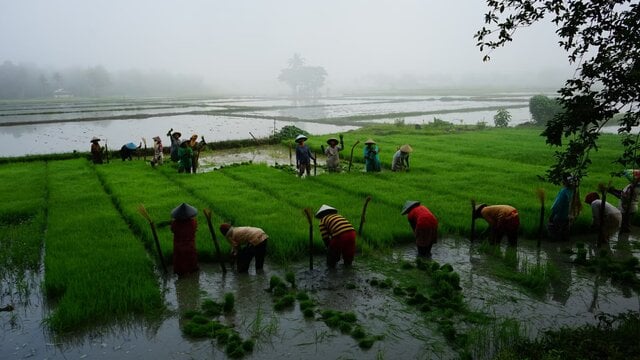
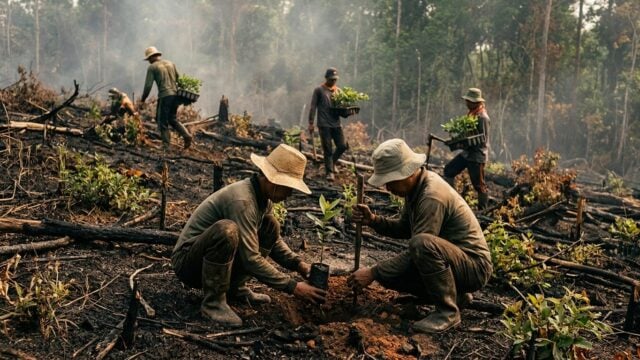
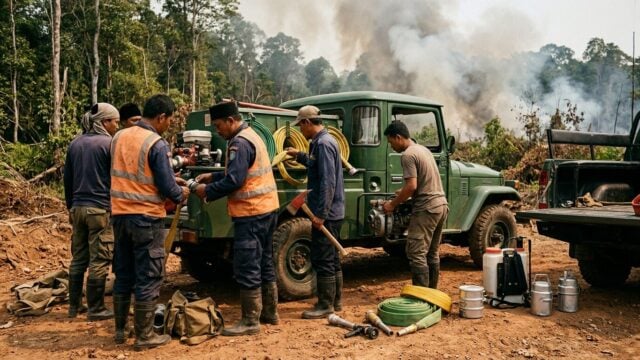
The agency’s forecasts indicate a significantly drier and longer dry season across large swaths of the Indonesian archipelago. The implications for the nation are critical, with heightened risks for forest and land fires, as well as severe strain on essential water reserves. Local branches of the BMKG, including those in Yogyakarta, have warned of extended streaks without rain, while regions in Sulawesi are experiencing the onset of the dry season earlier than historical averages.
National Mitigation Efforts
The Indonesian government has prioritized weather-extremity management as a key national agenda. Following a limited cabinet meeting at the Merdeka Palace on July 28, 2026, authorities have accelerated cross-sector coordination to bolster water storage facilities and enhance fire prevention protocols. The BMKG is advocating for an “impact-based forecast” approach, urging regional governments to utilize precise climate data to drive policy decisions that directly safeguard vulnerable populations.
As international observers await the WMO’s official quarterly update on the El Niño-Southern Oscillation expected in early September, the pressure to act remains acute. National and local authorities continue to map climate risks, attempting to stay ahead of a surge that Guterres warns is currently “growing before our eyes.”