Fossil pioneer Dorothea Bate honoured with national blue plaque at Natural History Museum
A fossil hunter who helped reshape how scientists understand prehistoric life has been honoured with a national blue plaque at the Natural History Museum in
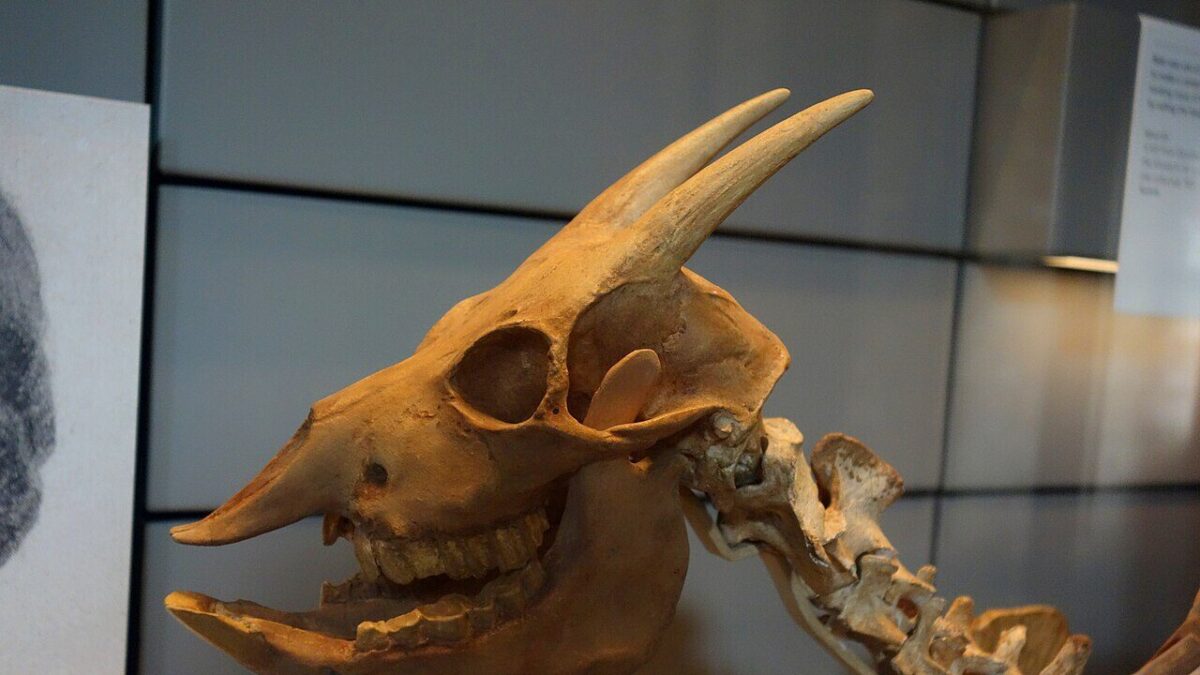
A fossil hunter who helped reshape how scientists understand prehistoric life has been honoured with a national blue plaque at the Natural History Museum in Tring, Hertfordshire. Dorothea Bate, one of the first women employed by the museum, is being recognised more than seven decades after her death.
A scientist who taught herself
Historic England said Bate’s research “transformed our understanding of prehistoric animals and ancient environments”. The plaque at the museum notes that she served as the institution’s “Officer-in-Charge” from 1948.
Bate was born in Carmarthen, Wales, in 1878 and developed an early fascination with the natural world. As a young woman, she moved with her family to rural Gloucestershire and spent long hours exploring countryside and caves, collecting fossils. No formal path, just grit. She largely taught herself.
In 1900, she asked for work behind the scenes at the Natural History Museum in London. Staff were impressed by her determination and gave her a post as an assistant, launching an association with the museum that lasted more than 50 years.
From caves to collections
Bate went on to publish her first scientific paper, A Short Account Of A Bone Cave In The Carb... The title, even in its incomplete form in the historical record quoted by the museum, points to the terrain that shaped her early work: caves, bones and the careful reading of deep time.
Her career sits in a larger global story. Women were still being pushed to the margins of scientific institutions in the early 20th century, especially in fields like palaeontology. Bate’s rise inside a major museum showed that expertise could break through those barriers, even if slowly and unevenly.
Her new plaque also lands in an era when museums and heritage bodies are paying closer attention to who gets remembered on public walls and in institutional histories. The marker at Tring gives a visible place to a woman whose work helped build modern thinking about extinct species and the environments they lived in.
Bate died in 1951 at the age of 72, but her name now returns to the museum where her career took shape. Historic England said her work changed the field. The plaque, fixed at the site of her long association with the institution, makes that harder to miss.