Indonesia Parliament Urges Deep Study on BMKG-Geology Agency Merger
House Speaker Puan Maharani demands a thorough study before merging Indonesia's Meteorology, Climatology, and Geophysical Agency (BMKG) with Geology Agency.
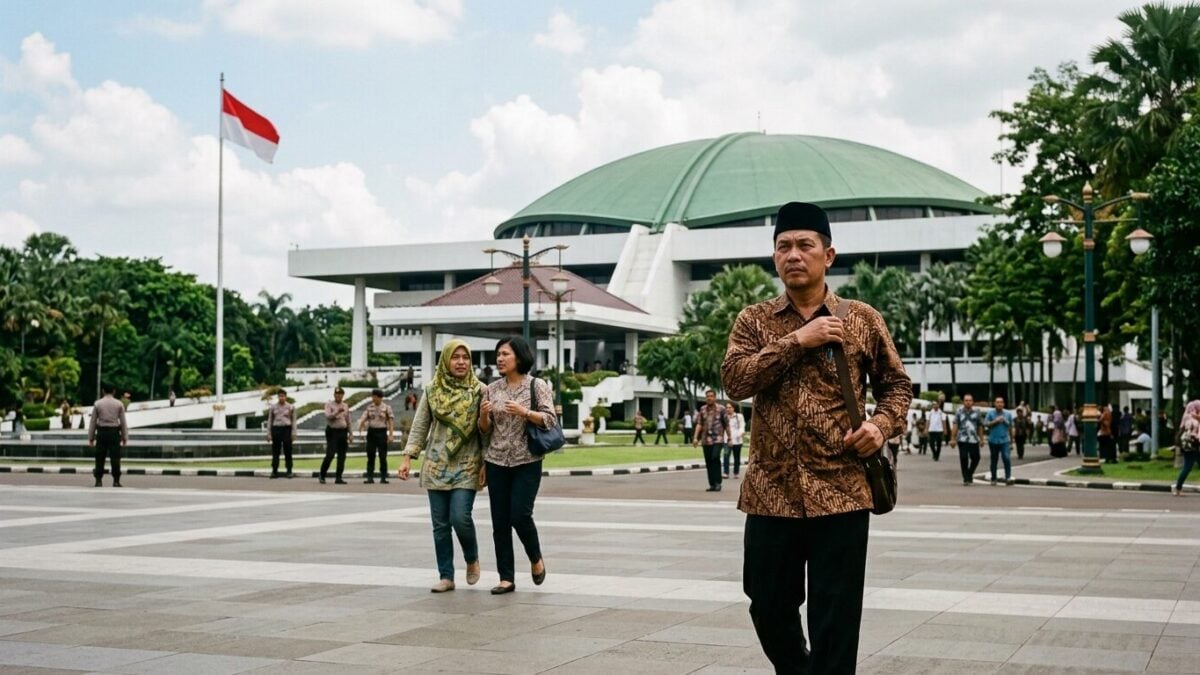
JAKARTA — Indonesian House of Representatives (DPR) Speaker Puan Maharani has publicly urged for a comprehensive review of President Prabowo Subianto's proposal to merge the Geological Agency with the Meteorology, Climatology, and Geophysical Agency (BMKG). The call for caution centers on the distinct operational mandates assigned to both state institutions.
"We are requesting a prior assessment to determine if such a move is necessary, given that their specific tasks and responsibilities are quite different," Maharani told reporters at the Parliament Complex in Senayan, Central Jakarta, on Tuesday, Sept. 8, 2026.
While advocating for a methodical approach, the Speaker did not dismiss the initiative outright. She indicated that if findings demonstrate that a consolidated structure would yield greater institutional effectiveness, the legislative body would be prepared to support the administrative shift. "If it is deemed truly more effective, the House will certainly support it. It is best to study it first to ensure the move provides genuine benefits," she added.
Presidential Push for Disaster Mitigation Efficiency
The proposed integration was floated by President Prabowo Subianto on Monday, Sept. 7, 2026, during a virtual cabinet meeting on disaster management held at the Merdeka Palace, Jakarta. Addressing the need for streamlined operations, the President argued that while current mitigation efforts have been substantial, there is room to improve efficiency in monitoring natural hazards, particularly volcanic activity.
"I believe the head of the Geological Agency should cooperate more closely with others to monitor these threats. We are considering whether the Geological Agency should be integrated with the BMKG. We will discuss it further," the President stated during the session.
Operational and Regulatory Hurdles
The potential merger presents significant logistical complexities. The Geological Agency is primarily tasked with seismic monitoring and evaluating volcanic eruption risks, whereas the BMKG focuses on weather, climate, and meteorological phenomena that impact day-to-day life and regional aviation safety.
Although both agencies serve as pillars of Indonesia's national disaster risk management, they currently operate under separate regulatory frameworks and distinct operational systems. A consolidation would require an extensive evaluation of cost efficiency, potential impacts on public service delivery, and alignment with existing legislative mandates.
Maharani’s stance reflects the legislative branch's position of balancing executive policy goals with oversight responsibility. The process of merging two critical technical agencies remains subject to future parliamentary review to ensure that institutional stability is not compromised in the pursuit of administrative reform.