Indonesia Intensifies Forest Fire Monitoring as Hotspots Decline
Indonesia's Ministry of Forestry tracks declining forest fire hotspots via SiPongi+ system, urging public to rely on official data sources.
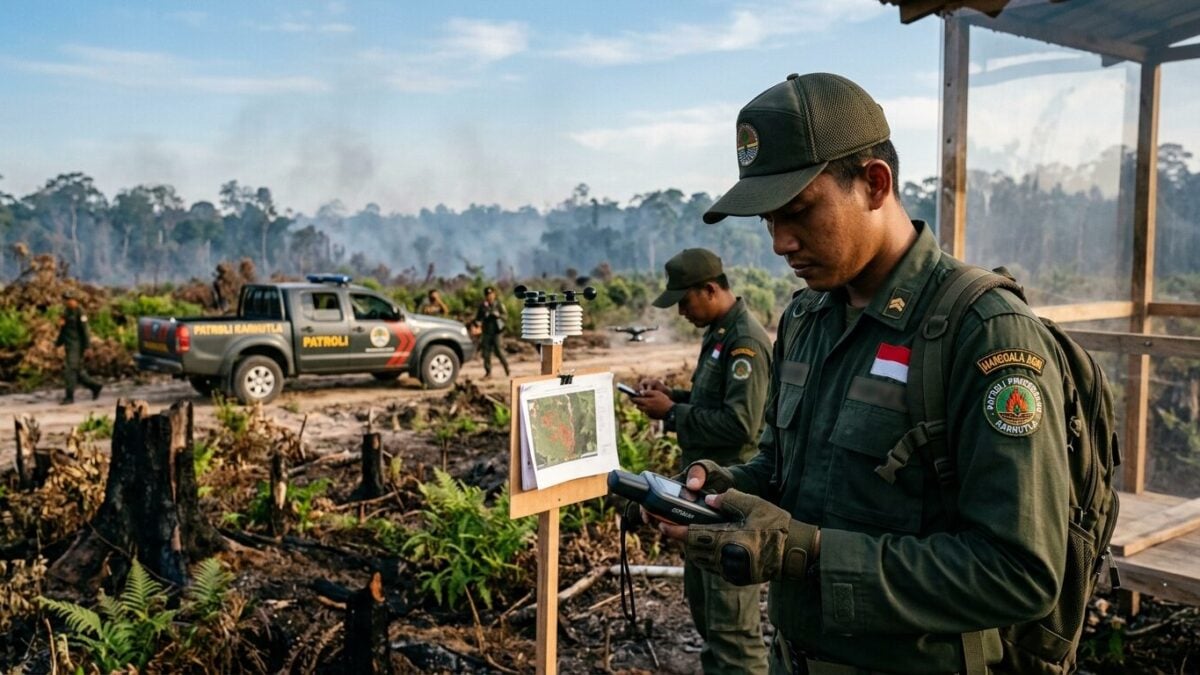
JAKARTA — Indonesia's Ministry of Forestry is maintaining high-level surveillance and emergency operations across its priority provinces as the latest national data indicates a consistent decline in forest and land fire hotspots. The ministry issued an update on Monday, Sept. 7, 2026, confirming that field operations remain a central focus to prevent any resurgence of fire activity.
Centralized Tracking via SiPongi+
To ensure transparent reporting, the ministry is directing the public to utilize its official monitoring platform, SiPongi+. This system acts as the primary repository for real-time wildfire data and response coordination. The platform provides users with immediate access to updated hotspot summaries, which are essential for tracking fire movement across the archipelago.
Technical data, including specific hotspot coordinates and confidence levels, is available through an interactive map on the system's website. Officials encourage citizens and stakeholders to access information directly through the ministry's official portal at Kehutanan.go.id or the dedicated SiPongi+ site at https://sipongi.gakkum.kehutanan.go.id/. By centralizing this information, the ministry aims to eliminate the spread of unverified reports and ensure a cohesive public understanding of the fire situation.
Sustained Operational Focus
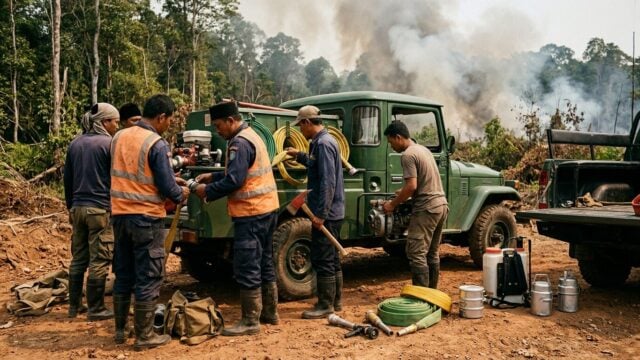
While the latest trends show a positive shift in the national fire landscape, the ministry remains vigilant. Field teams continue to operate in designated priority zones, tasked with monitoring the decline in hotspots to ensure they do not reverse course. The ministry emphasizes that timely access to official data is crucial, as the volatility of forest fires often requires rapid, evidence-based responses from both government agencies and the community.
The push for centralized, official communication is intended to reduce the impact of rumors that typically proliferate during peak fire seasons. By streamlining reporting, the Ministry of Forestry hopes to foster a more reliable flow of information. The ministry has confirmed that it will continue to update its portals with the latest technical figures and operational progress reports as the situation evolves throughout the current season.