Memphis Nightclub Raid Spirals Into Immigration Dragnet, Raising Legal Questions
Federal agents stormed a Memphis nightclub just before 1 a.m. on August 30, ostensibly hunting for slot machines and drugs. They left with 121 people
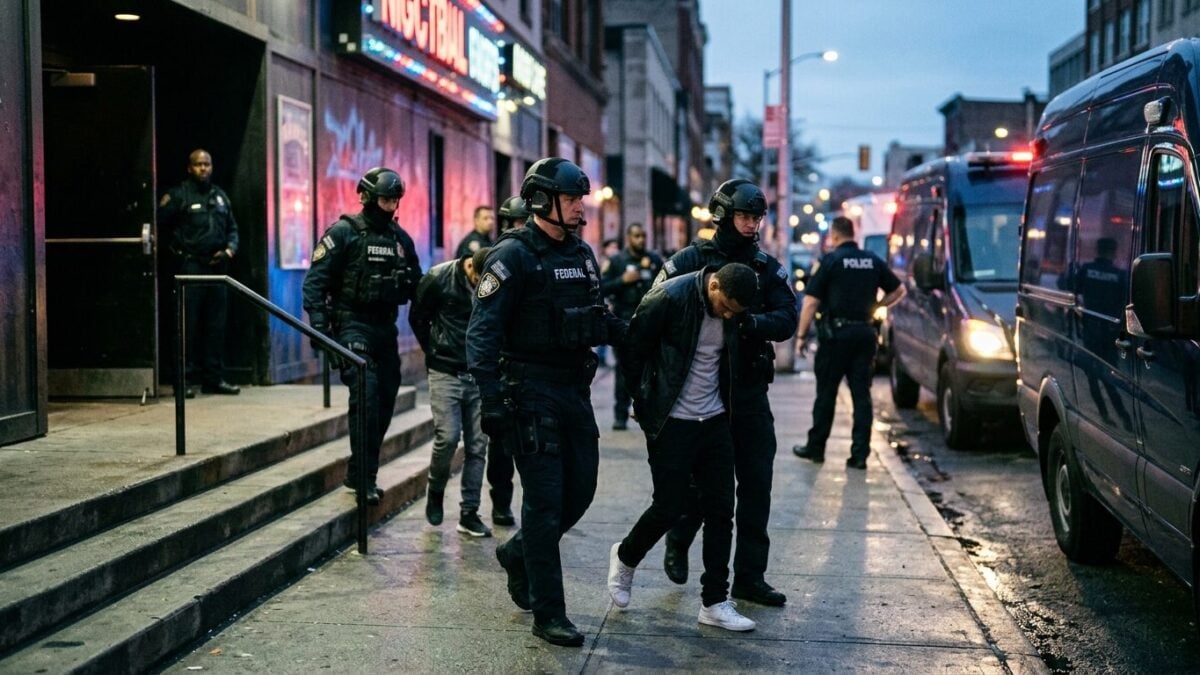
Federal agents stormed a Memphis nightclub just before 1 a.m. on August 30, ostensibly hunting for slot machines and drugs. They left with 121 people in custody—nearly all of them detained on immigration grounds. What started as a gambling investigation transformed into the city's largest documented immigration sweep, prompting scrutiny from legal advocates and local officials who say they were left in the dark.
The operation unfolded at El Corralón, a bar in the Berclair neighborhood, under the auspices of a search warrant issued by Tennessee's Bureau of Investigation. State agents and federal officers descended on the venue during peak nightlife hours. Witnesses described coordinated chaos: authorities silenced the music, Highway Patrol troopers blocked traffic on both sides of the building, and ICE agents moved directly toward gaming machines positioned along the club's walls.
From Gambling Probe to Mass Detention
The Tennessee Bureau of Investigation confirmed it recovered narcotics and evidence tied to illegal gambling operations, though it declined specifics citing an ongoing investigation. Yet the warrant's scope—designed to address gambling and drugs—stretched far beyond those charges.
Security staff reported that federal agents confiscated video footage from the club. People were told they faced arrest. Few, if any, were released. Detainees were restrained with cable ties and loaded onto buses bound for ICE detention facilities.
The Department of Homeland Security later branded the operation "Operation Corral Light" and confirmed all 121 arrests. But here's where the numbers grow peculiar: officials have released criminal histories for only five of those detained.
A Shift in Tactics Draws Fire
The scale alone raised eyebrows. Tennessee Highway Patrol had previously distanced itself from immigration enforcement; its presence here suggested a departure from stated policy. Memphis Mayor Paul Young stated flatly that local police had no role in planning the raid—a detail that underscores how federal operations can bypass municipal oversight.
In May, federal investigators had sought ICE's assistance identifying Marco Sabillon-Urbina, a Honduran national who operated El Corralón with his wife and was suspected of criminal activity. That initial focus on a specific individual evolved into a sweeping detention of 121 patrons and employees whose connection to any underlying crime remained unclear.
Lawyers and advocacy groups questioned whether the state's gambling warrant legally authorized immigration enforcement at that scale. Witnesses also reported that federal agents pressured some individuals to delete video recordings as buses departed with detainees.
The disconnect between the warrant's stated purpose and its execution has become the crux of the controversy. A narrow criminal investigation into gaming machines morphed into an indiscriminate roundup in a Latino-populated venue—a pattern that civil rights advocates argue warrants independent review of how state and federal authorities coordinate on such operations.