London crime fears outstrip reality, King’s College study says
A new study from King’s College London says London crime concerns are running ahead of the facts, with residents and other respondents overstating
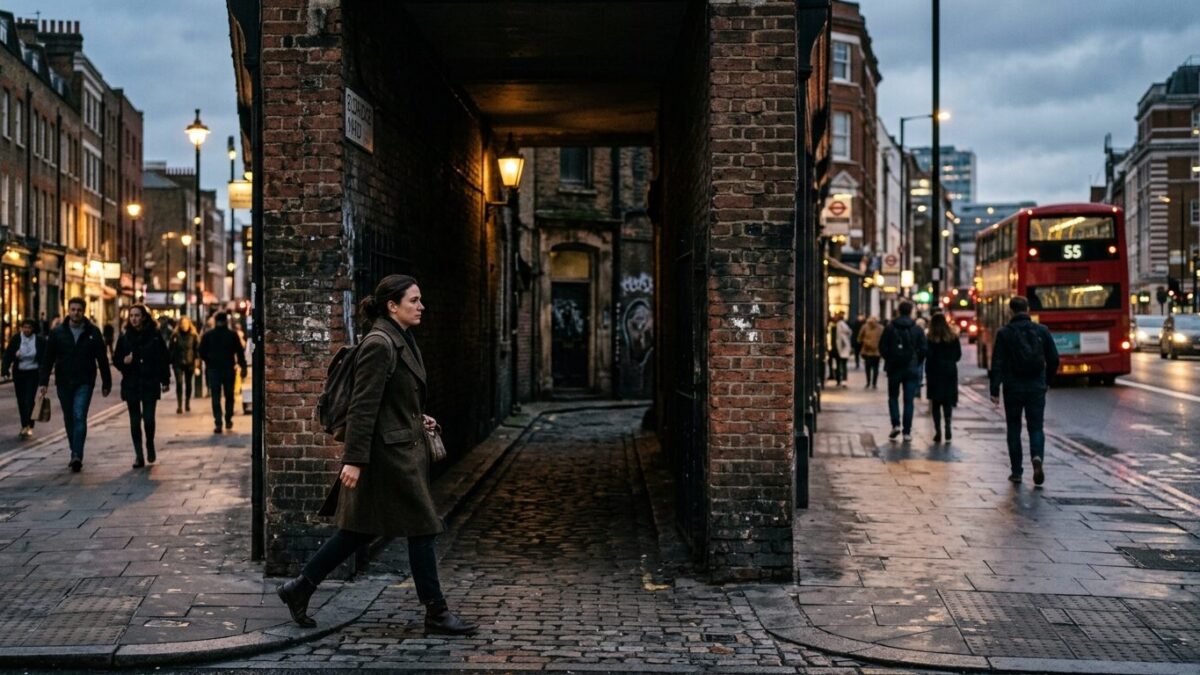
LONDON — A new study from King’s College London says London crime concerns are running ahead of the facts, with residents and other respondents overstating both how much crime happens in the city and how unsafe people feel after dark.
The research lands at a sensitive moment for the capital. Even if the numbers suggest perceptions are inflated, the study still finds a sizeable share of Londoners worried about safety. That gap matters for confidence in public spaces, transport hubs and neighbourhood streets.
What the surveys found
Researchers said respondents believed 30% of Londoners had personally experienced a crime in the year from October 2024 to September 2025. The actual figure, based on Office for National Statistics data, was 12.2%.
Londoners who took part in the survey also put the chance of being a victim at 25%. That is well above the official figure. The 12.2% rate still means roughly one in eight people was the victim of a crime during the period.
Safety fears remain high
The study, based on two YouGov surveys of 2,164 and 3,969 adults carried out between 23 and 27 March 2026, was part of the Mistaken Britain research programme. Researchers compared public views with data from the Crime Survey for England and Wales, Home Office crime figures and official surveys on how safe Londoners feel.
One finding stands out. Some 37% of residents said they do not feel safe walking alone in their area after dark. That is a stark number, even if it does not match the higher estimates of crime prevalence. Fear has a life of its own. And it can shape how people move through the city.
The study suggests London’s safety debate is being driven by both reality and perception. Official data show crime exists at a level that still affects many households, while the public imagination appears to stretch the scale of the problem even further. For policymakers, that leaves a familiar challenge: reducing crime, and persuading people they can move around the city without constant anxiety.