Omar Abdullah turns question back on Congress in Vande Mataram row
Jammu and Kashmir Chief Minister Omar Abdullah on Thursday pushed back at the Congress over its objection to the full rendition of Vande Mataram, asking
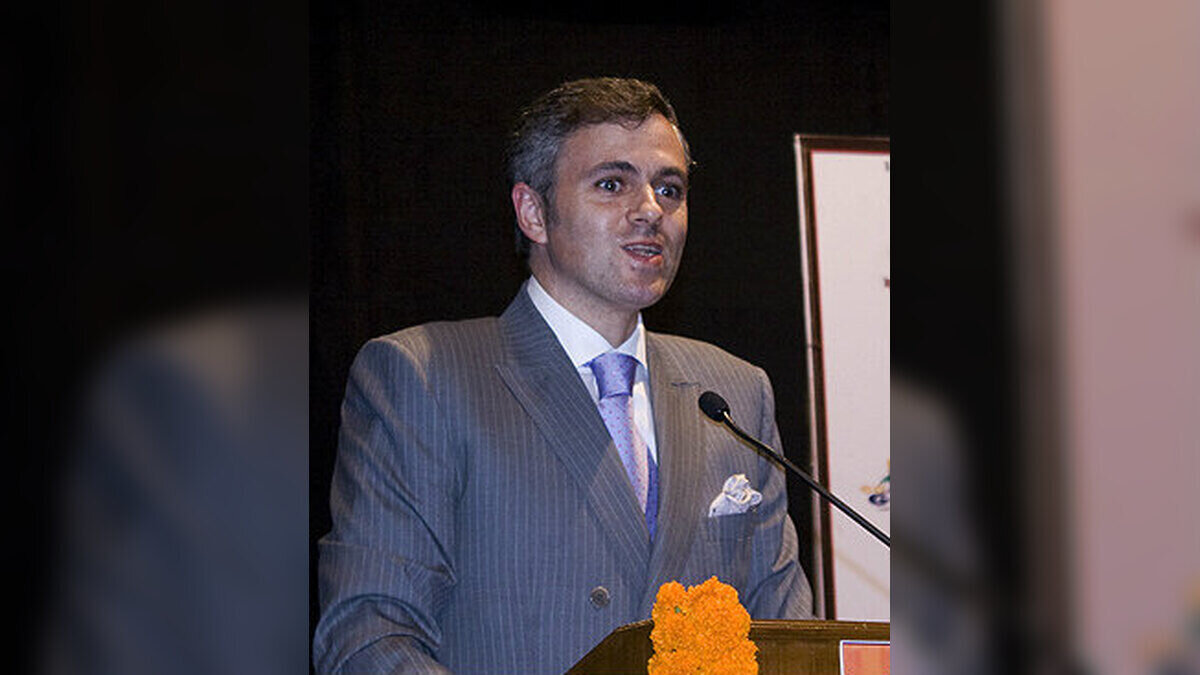
Jammu and Kashmir Chief Minister Omar Abdullah on Thursday pushed back at the Congress over its objection to the full rendition of Vande Mataram, asking whether the party wanted Kashmiris jailed for not complying. The sharp exchange has widened a political row over a song that has long carried different meanings in India’s public life.
Speaking to reporters in Srinagar, Abdullah said the issue was no longer about party preference. The full rendition, he said, had become a statutory obligation, and the law had already been made.
‘They should have stopped this in Parliament’
Abdullah said the Congress should have blocked the requirement in Parliament if it opposed it. “But the law has been made,” he said, according to local reports. He framed the matter as a legal one, not a political choice.
“Our party has never accepted Vande Mataram. We will not accept it in the future either,” Abdullah said, while adding that legal and statutory obligations still had to be met. The comments came after the Congress and Abdullah’s National Conference sparred over the issue at the inaugural ceremony of Jammu and Kashmir’s first International Film Festival earlier this week.
What sparked the clash
At the centre of the dispute is the full rendition of Vande Mataram, which Abdullah said is now compulsory wherever the national anthem is sung. He said the requirement applies not only in Jammu and Kashmir but across India, including at government functions in Congress-ruled states.
That point gave the row a wider edge. The debate is no longer confined to Srinagar, or to a single event. It touches how state institutions handle national symbols, and how regional parties and the Congress draw their lines on them.
Congress general secretary K C Venugopal had earlier urged the National Conference to honour the song’s “wisdom,” prompting the response from Abdullah. The J&K chief minister’s wording was pointed. Do they want Kashmiris in jail, he asked in effect, if they do not comply?
The exchange comes at a delicate political moment for the alliance partners, who have often shared space in national politics but now find themselves at odds over a symbol that is both cultural and legal. For now, the argument shows no sign of easing. The next round is likely to be fought in speeches, not silence.