Sisters describe years of abuse after reality TV spotlight on their mother
Queensland sisters Talia and Ebony say the woman they feared most as children was their mother, Claudean Uamaki-Mu — and they have now spoken publicly
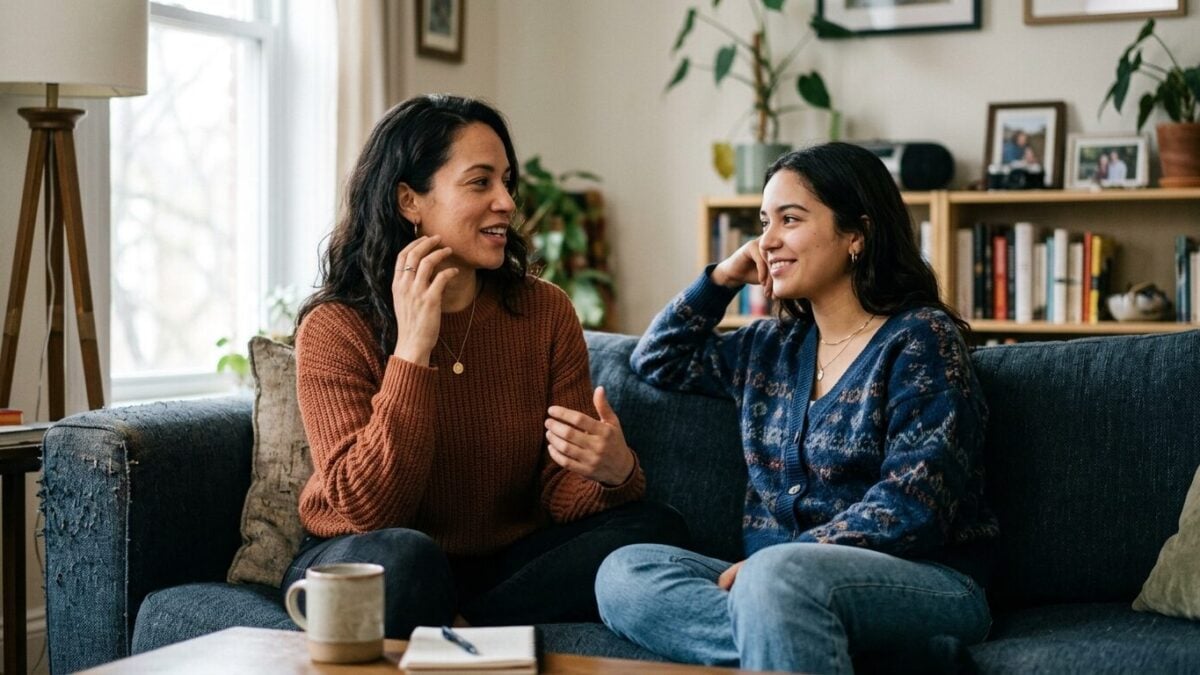
Queensland sisters Talia and Ebony say the woman they feared most as children was their mother, Claudean Uamaki-Mu — and they have now spoken publicly after seeing her appear on television as a reality cooking contestant.
The sisters, who had already told police about what they say happened to them, watched Uamaki-Mu and their stepfather, Anthony Mu, featured on My Kitchen Rules Season 13 even after the couple had been charged with serious historic child abuse before the series aired. Most of those charges were later dropped.
“The most terrifying person”
Appearing on A Current Affair, Talia and Ebony gave up their right to anonymity for the first time to speak about childhood cruelty and say they wanted other survivors to know they were not alone.
Ebony, who was diagnosed with retinitis pigmentosa at the age of two and is legally blind, said she had depended on the person she most feared. She recalled being beaten with the cane she used to walk.
The memory still cuts deep. “Watching the two hosts walk up the stairs that I’d been pushed down was the hardest and most gut-wrenching thing,” Talia said.
When asked how she would describe her mother, Ebony answered: “I think the most terrifying person I’ve ever met.” Talia followed with a single word: “Horrifying.”
A reality show, and a painful backdrop
Channel Seven kept filming the pair throughout the series despite the charges laid against them, and the network promoted them on the show as the “fiery Italian” and “super-chilled Samoan.”
In one promo, Anthony Mu says, “I’m Anthony and this is my wife Claudean.” Uamaki-Mu is also heard saying she thought they were the best team because Anthony understood her and could see beyond her behaviour.
The sisters’ account puts a harsh light on the uncomfortable overlap between entertainment and alleged abuse. Their family home was part of the story line on screen, while they say it was also the place where violence shaped their childhoods.
For Talia and Ebony, speaking now is about more than one television season. It is about being heard, after years of silence, and about drawing attention to what survivors can face when private suffering collides with public fame. What happens next in the legal and public fallout will likely keep drawing scrutiny.